
Awareness

  • Bandana Day

    Bandana Day is observed annually on the last Friday of October to support individuals living with cancer. The day highlights the use of bandanas by patients experiencing hair loss due to chemotherapy and other treatments. Originating from South Asia and popularised in the West, bandanas have become a symbol of comfort and identity for many. The Australian charity CanTeen organises Bandana Day to raise awareness and provide support for young people aged 12 to 24 living with cancer. The event emphasises the psychological and social impact of hair loss and promotes the bandana as a protective and uplifting accessory.


  • International ASMR Day

    International ASMR Day is observed annually on 9 April to increase awareness of Autonomous Sensory Meridian Response (ASMR), a pleasant tingling sensation often starting at the scalp and moving down the spine. The term ASMR was coined in 2010 to describe this sensory phenomenon, which is triggered by specific sounds and visual stimuli. Since 2012, content creators and fans worldwide, including those in Australia, participate by sharing ASMR videos and experiences. ASMR is recognised for its calming effects and is used by many to reduce stress and improve sleep.

  • Youth Homelessness Awareness Day

    Youth Homelessness Awareness Day is observed annually on the third Wednesday of April as a national campaign led by the National Youth Coalition for Housing. It aims to raise awareness and encourage public discussion about homelessness among young Australians aged 12 to 24. Over 20,000 young people experience homelessness on any given night, often hidden in shelters, with friends, or in vehicles. Key causes include housing overcrowding, family conflict, and domestic violence. The campaign highlights the challenges faced by homeless youth, including mental health issues, substance abuse, and limited access to support services.

  • Earth Day

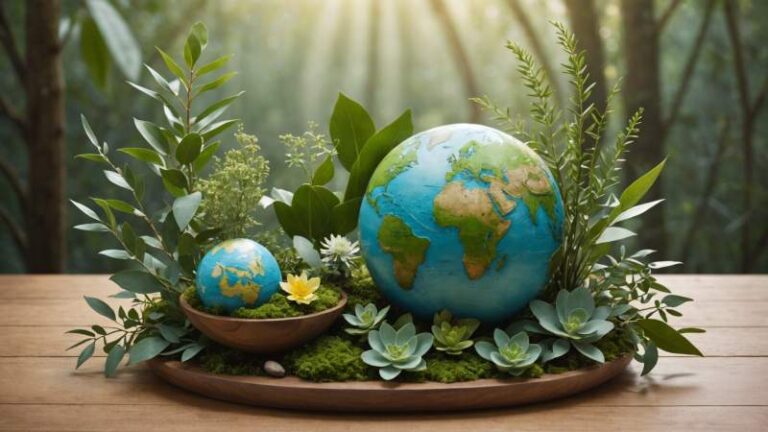
    Earth Day is celebrated globally on 22 April each year to increase awareness of environmental issues and support conservation efforts. The first Earth Day took place in the United States in 1970, involving 20 million participants. It was inspired by environmental concerns raised in the 1960s, including Rachel Carson’s book Silent Spring and major pollution events. Since then, Earth Day has grown into a worldwide movement with over a billion participants and has influenced significant environmental legislation. Australia actively participates in Earth Day, with a history of environmental activism dating back to the 1960s.

  • Chronic Fatigue Syndrome Awareness Day

    Chronic Fatigue Syndrome Awareness Day is observed annually on 12 May to raise awareness about ME/CFS, a condition characterised by prolonged fatigue not relieved by rest. Symptoms include apathy, mood decline, muscle weakness, and sleep disturbances. The syndrome affects people of all ages and backgrounds, with a higher prevalence among women and those in high-responsibility professions. Diagnosis is challenging due to symptom overlap with other illnesses. Treatment involves a comprehensive approach focusing on rest, physical activity regulation, and supportive therapies.

  • Coral Reef Awareness Day

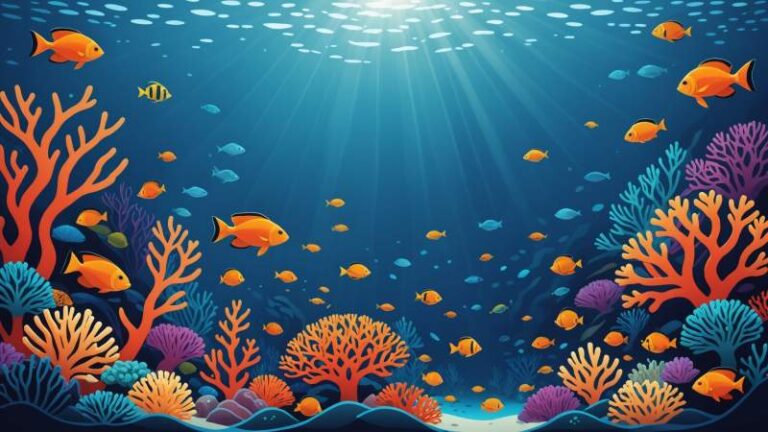
    Coral Reef Awareness Day, observed on 1 June, aims to raise awareness about the fragile ecosystems of coral reefs. These reefs have existed for hundreds of millions of years, surviving multiple extinction events. The Great Barrier Reef, discovered by Captain James Cook in 1770, is a key example of these ecosystems and faces threats from bleaching, climate change, and pollution. Conservation efforts include strict regulations, educational programs, and significant government investment to protect and restore reef health.

  • CLOVES Syndrome Awareness Day

    CLOVES Syndrome Awareness Day is observed annually on 3 August to increase understanding of this rare genetic disorder characterised by tissue overgrowth and vascular malformations. The syndrome results from mutations in the PIK3CA gene and is part of the PIK3CA-related overgrowth spectrum (PROS). First described in 1867 and officially recognised in 2007, CLOVES affects approximately 200 people worldwide. Awareness efforts include promoting solidarity through green symbols and supporting research and patient resources. In Australia, specialised clinical services and support schemes assist individuals living with CLOVES and related conditions.