
• Tartan Day Australia and New Zealand

    Tartan Day in Australia and New Zealand is celebrated on 1 July to honour tartan as a symbol of Scottish national heritage. The date commemorates the repeal of the 1747 Act of Proscription, which banned tartan wearing. Descendants of Scottish settlers participate in parades, traditional dances, and performances by Scottish orchestras. Scottish immigrants have played a significant role in the history and development of these countries since the late 18th century. The event highlights the enduring cultural connections between Scotland and the Australasian region.


  • International Sports Journalism Day

    International Sports Journalism Day is celebrated annually on 2 July, marking the foundation of the International Sports Press Association (AIPS) in 1924. Established in 1995 by AIPS, the day recognises the role of sports journalism in covering sports, physical culture, and related social events. National associations and AIPS hold formal meetings and award ceremonies to honour outstanding sports media professionals. In Australia, the day is observed by professional organisations and media outlets with special events and awards, highlighting the contributions of Australian sports journalists to both national and international sports coverage.

  • Alice Springs Agricultural Show

    The Alice Springs Agricultural Show is a traditional rural event held annually in July in Central Australia. It promotes agriculture, horticulture, arts, and tourism while providing educational and entertainment experiences for families. Originating in 1960, the show has grown significantly and includes competitions, exhibitions, and unique attractions such as a camel parade and airshow. The event is a regional public holiday and attracts around 15,000 visitors, highlighting the cultural and historical significance of Alice Springs.

  • Air Conditioning Appreciation Day

    Air Conditioning Appreciation Day is observed annually on 3 July in some countries to recognise the invention and benefits of air conditioning. The first air conditioner was patented in the United States in 1914, with significant advancements later made by Japanese companies, including Toshiba’s introduction of the split-system air conditioner in 1961. Air conditioning has improved comfort, health, and productivity by regulating indoor temperatures and filtering air. In Australia, air conditioners are essential due to the hot climate, with 90% of households using them.

  • Sidewalk Egg Frying Day

    Sidewalk Egg Frying Day is observed on 4 July to raise awareness about solar energy advantages. The event’s name comes from the phrase describing extreme heat sufficient to fry an egg on the pavement. Oatman, Arizona, hosts an annual contest where participants use solar methods, including mirrors and magnifying glasses, to fry eggs in under 15 minutes. Historical references to frying eggs on hot surfaces date back to 1899, with continued interest in various locations including Australia and Death Valley. Scientific observations note that concrete and bricks are inefficient heat conductors for cooking eggs, leading to the use of metal surfaces and pans.

  • US Independence Day

    US Independence Day commemorates the adoption of the Declaration of Independence on 4 July 1776, marking the birth of the United States as a free nation. The Declaration announced the colonies’ separation from British rule and was signed by key figures such as John Hancock and Charles Thomson. Celebrations include fireworks, parades, and patriotic events, not only in the US but also internationally. In Australia, the day is observed with community events, barbecues, and cultural programs organised by US diplomatic missions and diaspora groups.


  • International Bikini Day

    International Bikini Day is observed annually on 5 July to commemorate the introduction of the bikini in 1946. The bikini was first revealed by Micheline Bernardini during a Paris fashion show, designed by French couturier Louis Réard. Initially controversial and banned in many places, the bikini eventually became a symbol of freedom and beach culture, especially in Australia. Various styles of bikinis have since emerged, reflecting diverse fashion trends and lifestyles.

  • NAIDOC Week

    NAIDOC Week is an annual event in Australia dedicated to celebrating the history, culture, and achievements of Aboriginal and Torres Strait Islander peoples. Originating from the 1938 Day of Mourning, it became a week-long observance in 1975. The event is marked by communities, schools, government bodies, and workplaces across the country. Activities include cultural performances, educational programs, and public exhibitions. NAIDOC Week promotes awareness and respect for Indigenous heritage throughout Australia.

  • World Kissing Day

    World Kissing Day is observed annually on 6 July, originating unofficially in the United Kingdom during the 2000s. The day recognises kissing as a universal expression of emotions such as love and respect, with various cultural rituals associated with it. Scientific study of kissing, known as philematology, highlights the involvement of numerous muscles and health benefits including stress reduction and immune system improvement. Celebrations include events and competitions worldwide, with Australia hosting flash mobs and kissing contests in major cities like Sydney and Melbourne.

  • World Chocolate Day

    World Chocolate Day is observed on two dates, 7 July and 11 July, with the 7 July date linked to the invention of the modern chocolate bar in Europe. Chocolate, made from cocoa butter, cocoa solids, and sugar, comes in various forms including bars, coins, and decorative shapes. It is used in both sweet and savoury dishes and often contains flavourings like nuts, spices, and liqueurs. Australia recognises the day through marketing and private events, with notable local producers such as Cadbury Australia and Haigh’s Chocolates. The country also hosts chocolate festivals and maintains strict food standards for chocolate products.

  • Universe Connection Day

    Universe Connection Day is observed annually on 8 July, symbolising a day of open communication between humans and the cosmos. It encourages individuals to connect with nature, life, and fate through intuition and awareness. The day is associated with heightened sensitivity and energy, promoting positive thinking, meditation, and reflection. Practices include sharing thoughts with the universe, visualising dreams, and expressing gratitude. This observance fosters a shift from limitation to abundance and supports recognising hidden opportunities.

  • Australian Constitution Day

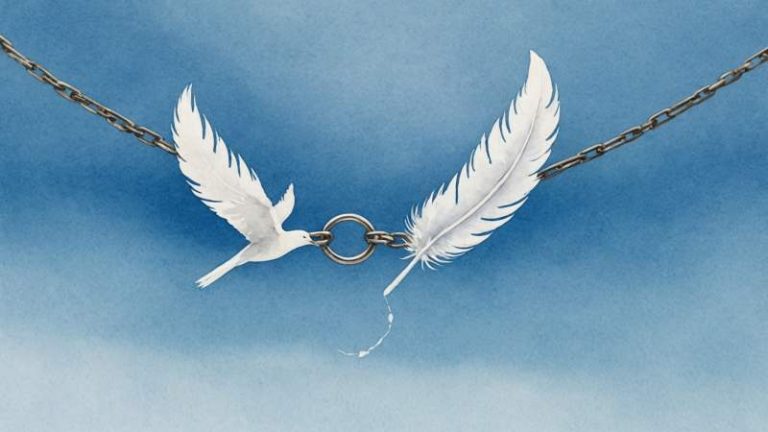
    Australian Constitution Day is observed annually on 9 July to commemorate the signing of the Australian Constitution in 1900. The Constitution, which came into effect on 1 January 1901, established the legal foundation for the Australian Commonwealth. The day is not a public holiday but is marked by events often involving the National Archives of Australia, which preserves the original documents. The Constitution comprises several documents, including the Constitution of the Australian Commonwealth, the Statute of Westminster 1931, and the Australia Act 1986. The federation united six British colonies into one nation, with self-governance established by 1900.

  • Nikola Tesla Day

    Nikola Tesla Day recognises the contributions of Nikola Tesla, a Serbian-born physicist, engineer, and inventor known for his work in electrical engineering and radio technology. Born on 10 July 1856 in the village of Smiljan, Tesla’s innovations in alternating current and electric motors significantly advanced the second industrial revolution. Although not officially recognised internationally, the day is observed on 10 July in Australia with events organised by scientific and cultural communities. Tesla’s legacy includes numerous patents and honours, reflecting his impact on modern electrical systems and technology.

  • Matariki Festival

    Matariki is a significant Māori celebration marking the New Year in New Zealand, centred on the appearance of the Pleiades star cluster. It involves star observation, reflection, goal setting, and community activities such as shared meals and planting. The festival honours ancestors and strengthens connections between people, land, and the environment. Matariki has deep roots in Māori tradition and has experienced a revival, becoming an official public holiday in New Zealand. It is also celebrated in Australia through cultural events and ceremonies.

  • International Horse Day

    International Horse Day is an annual United Nations observance held on 11 July to acknowledge the vital role horses have played in human civilisation. Established by the UN General Assembly in June 2025, with Mongolia as the initiator, the day highlights horses’ contributions to agriculture, transport, military, and culture. It also draws attention to contemporary challenges such as climate impact, rising costs, and ethical concerns regarding horse welfare. In Australia, horses have a rich history from early colonial times, with breeds like the Australian Stock Horse and Waler playing key roles in farming, military, and sport. The day promotes awareness of equine welfare, cultural heritage, and the sustainability of horse-related industries worldwide.

  • Orange Order Day

    Orange Order Day is an annual observance on 12 July, commemorating the 1690 victory of Protestant King William of Orange over Catholic King James II at the Battle of the Boyne. Originally celebrated on 1 July, the date shifted due to the adoption of the Gregorian calendar. The day is marked by parades and events, particularly in Ulster and Tasmania, with a history of sectarian tensions in Northern Ireland. Over time, the celebrations have become largely peaceful, reflecting improved community relations.

  • Feast of Saints Peter and Paul

    The Feast of Saints Peter and Paul is a significant celebration in both Orthodox and Catholic churches, commemorating the martyrdom and apostolic work of the two foremost apostles. Orthodox Christians observe the feast on 12 July according to the Julian calendar, marking the end of the Apostles’ Fast unless it falls on a Wednesday or Friday. The Catholic Church celebrates the feast on 29 June. Both apostles are recognised for their missionary efforts, martyrdom in Rome, and foundational roles in the early Christian Church. The feast is observed with liturgical services and various traditions across different Christian jurisdictions in Australia.

  • Synaxis of the Twelve Apostles

    The Synaxis of the Twelve Apostles is an Orthodox Christian feast celebrated on 13 July, dedicated to the twelve closest disciples of Jesus Christ. This commemoration follows the feast of the foremost apostles Peter and Paul and involves special liturgical services including an all-night vigil and Divine Liturgy. The twelve apostles originally included Peter, Andrew, John, James the Greater, Philip, Bartholomew, Matthew, Thomas, James the Lesser, Jude Thaddeus, Simon the Zealot, and Judas Iscariot, who was later replaced by Matthias. The feast honours their lives as recorded in the Gospels and the Acts of the Apostles, and is observed in Orthodox churches worldwide, including those in Australia.

  • International Puzzle Day

    International Puzzle Day is observed on 13 July, coinciding with the birthday of Ernő Rubik, the Hungarian architect and designer who invented the Rubik’s Cube in 1974. The original puzzle, known as the Magic Cube, was patented and first produced in Hungary in 1977 before gaining worldwide fame. The day also celebrates various types of puzzles, including mechanical, printed, and oral forms, which stimulate cognitive functions such as memory and attention. In Australia, the Rubik’s Cube is used educationally and competitively, with national championships and official events coordinated by the Australian Speedcubing Association.

  • Pandemonium Day

    Pandemonium Day, observed annually on 14 July, was established by Adrienne Sue Coopersmith in the United States and is recognised in Australia. The day reflects on chaos, historically linked to the concept of pandemonium from John Milton’s 17th-century poem ‘Paradise Lost’. In Australia, the event encourages people to embrace disorder as an opportunity for renewal, promoting activities such as thorough cleaning and mental reorganisation. Educational and psychological perspectives highlight the importance of accepting chaos to improve emotional well-being and reduce stress. The celebration is supported through social media and community initiatives, emphasising creativity and new beginnings.

  • International Youth Skills Day

    International Youth Skills Day is observed annually on 15 July to raise awareness about the importance of investing in youth skills and improving socio-economic conditions. Established by the UN General Assembly in 2014, the day emphasises the role of young people in sustainable development and the need for education, vocational training, and employment opportunities. With 1.2 billion young people worldwide, youth unemployment remains a critical issue, especially in developing countries. The day encourages governments and organisations to promote skill development and support youth employment through various initiatives.

  • Delicious Food Day

    Delicious Food Day is celebrated annually on 16 July as a tribute to gourmet food and the joy it brings. The event highlights the importance of food as a source of energy, health, and happiness. It recognises the diversity of culinary traditions and the individual nature of taste preferences. In Australia, iconic foods such as meat pies, Vegemite, and pavlova are celebrated. The day encourages enjoying delicious and nutritious meals, whether at home, in restaurants, or at food festivals.

  • World Emoji Day

    World Emoji Day is observed annually on 17 July to celebrate emojis, pictograms, and ideograms used in electronic communication. Established in 2014 by British entrepreneur Jeremy Burge, the day highlights the graphic language that conveys emotions, moods, and objects. Originating from Japan, emojis were created by Shigetaka Kurita in the early 1990s for pagers and have since spread globally. The day is unofficial but widely recognised, featuring social media activities and corporate events.

  • Nelson Mandela International Day

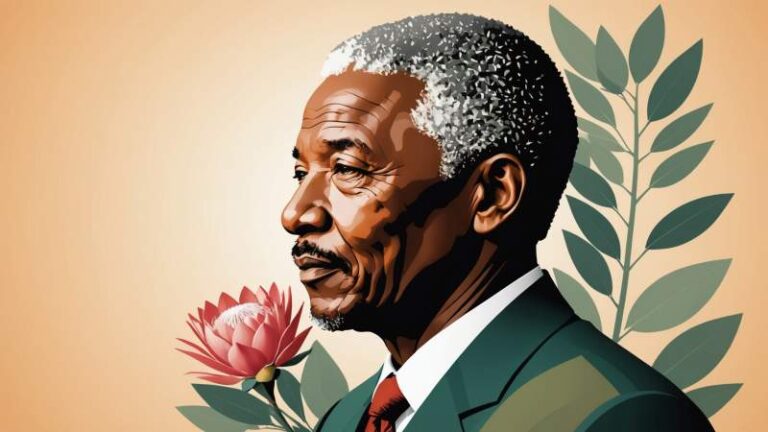
    Nelson Mandela International Day was established by the United Nations General Assembly in 2009 to honour the legacy of Nelson Mandela, the first black president of South Africa and a prominent human rights activist. Celebrated annually on 18 July, Mandela’s birthday, the day recognises his dedication to conflict resolution, racial reconciliation, and social justice. The UN promotes activities such as volunteering and awareness campaigns, reflecting Mandela’s values. The day also highlights the importance of humane prison conditions and acknowledges the work of penitentiary staff. In Australia, it serves as a platform for public education on human rights and anti-racism.

  • International Retainer Day

    International Retainer Day is observed annually on 19 July to emphasise the importance of orthodontic retainers in maintaining teeth alignment after braces. Initiated by Invisalign’s Vivera Retainers in 2021, the day aims to dispel misconceptions about braces and retainers and encourage orthodontic treatment. Retainers, either removable or fixed, help prevent teeth from shifting back after correction. The day also highlights the history and types of retainers, including the well-known Hawley retainer and modern vacuum-formed options.

  • International Cake Day

    International Cake Day is observed on 20 July to promote friendship and peace among people and nations. Originating from the Milan Club of the Kingdom of Love, the event encourages cultural exchange through shared cake traditions. Since its international inception in 2011, the day has involved collaborations with professional confectioners and community organisations. The celebration includes public participation and is supported by local authorities in various countries, including Australia.

  • Lamington Day

    National Lamington Day is observed in Australia on 21 July, celebrating the iconic lamington dessert. This classic treat consists of sponge cake squares coated in chocolate sauce and desiccated coconut, sometimes filled with jam or cream. The dessert is named after Charles Cochrane-Baillie, 2nd Baron Lamington, or his wife, with origins dating back to the late 19th century. The lamington has cultural significance in Australia and New Zealand and is associated with charitable fundraising and regional competitions.

  • World Brain Day

    World Brain Day is observed annually on 22 July, commemorating the founding of the World Federation of Neurology in 1957. Established in 2014 by the Federation, the day highlights the importance of brain health and neurological research. The human brain, a complex organ consuming 20% of the body’s oxygen and energy, is central to bodily functions. Events worldwide focus on sharing knowledge, advancing diagnosis and treatment, and promoting preventive measures. In Australia, activities include seminars and educational programs supported by neurological associations and government initiatives.

  • World Whale and Dolphin Day

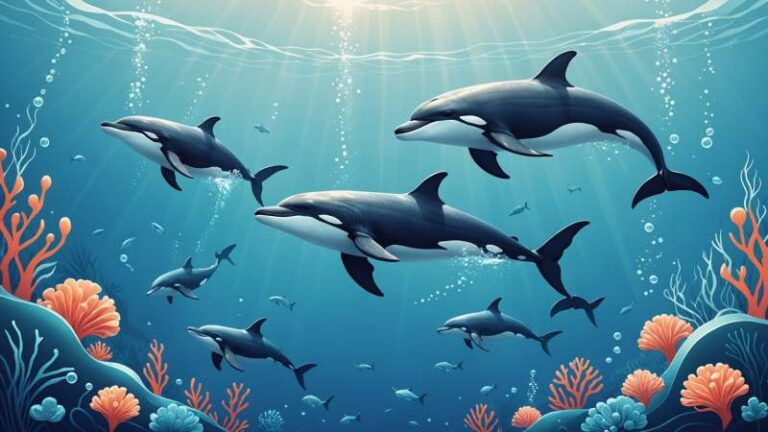
    World Whale and Dolphin Day is observed on 23 July to commemorate the 1986 international ban on commercial whaling established by the International Whaling Commission. This ban ended over 200 years of extensive whale hunting that began in medieval Europe and expanded globally. The day highlights ongoing efforts to protect whales and other marine mammals, many of which remain threatened due to human activities. Australia actively supports whale conservation through legislation, ecotourism, and international legal actions against commercial whaling. Protected marine areas in Australian waters provide safe habitats for various whale species.

  • World Sjögren's Day

    World Sjögren’s Day is observed annually on 23 July to increase awareness of Sjögren’s syndrome, a chronic autoimmune disease affecting moisture-producing glands. Named after Dr Henrik Sjögren, who first described the condition in 1933, the syndrome primarily causes dryness in the mouth, eyes, skin, and other areas. It affects about one in 70 people, predominantly women, and can lead to complications such as lymphoma. The day is supported globally by organisations including the Sjögren’s Foundation and in Australia by Rare Voices Australia and the Australian Rheumatology Association.

  • Self-Care Awareness Day

    International Self-Care Awareness Day is celebrated annually on 24 July, initiated by the International Self-Care Foundation in 2011. The day emphasises the importance of individuals taking responsibility for their own health through education and healthy lifestyle choices. Activities include fitness workshops, medical check-ups, and social media campaigns. In Australia, the day is supported by health organisations promoting mental health and chronic disease prevention. The observance highlights the role of self-care in overall wellbeing and community health.

  • Christmas in July

    Christmas in July is observed on 25 July and features secular celebrations, including gatherings, entertainment, and shopping events with a Christmas theme. It is particularly popular in the Southern Hemisphere, where July falls in the winter season, offering a festive atmosphere similar to traditional Northern Hemisphere Christmas. The tradition has historical roots dating back to 1827 in Australia and has been embraced in various forms worldwide, including marketing campaigns and cultural events. In the Northern Hemisphere, it is often celebrated ironically during summer months with parties and themed sales.

  • World Drowning Prevention Day

    World Drowning Prevention Day is observed annually on 25 July, established by the United Nations General Assembly in 2021. The day recognises drowning as a significant global public health issue, with over 235,000 deaths each year, predominantly in low- and middle-income countries. The World Health Organization coordinates efforts emphasising prevention through safety barriers, swimming skills, and early warning systems. In Australia, drowning remains a leading cause of death among young children, with national campaigns and regulations supporting prevention.

  • Uncle and Aunt Day

    Uncle and Aunt Day, observed annually on 26 July, celebrates the important roles uncles and aunts play within families and communities. These relatives often provide emotional support, advice, and care, especially when parents or grandparents are absent. In many cultures, including traditional Australian Aboriginal societies, the terms ‘uncle’ and ‘aunt’ extend beyond biological ties to signify social roles and responsibilities. The day encourages acknowledging these relationships through personal communication and appreciation.

  • Australian Tree Day

    Australian Tree Day is the largest community event dedicated to tree planting and environmental care, held annually on the last Sunday of July. Approximately 300,000 volunteers participate in activities that promote ecological education and conservation. The event highlights the importance of trees in carbon absorption, water quality improvement, and climate regulation. Originating from historical tree planting festivals, Australian Tree Day has grown into a significant national initiative supported by organisations like Planet Ark. It also includes a National Tree Day for schools, fostering environmental awareness among children.

  • Five Random Encounters Day

    Five Random Encounters Day is an unofficial celebration held on 27 July that encourages people to engage in spontaneous interactions with five strangers. The event promotes brief conversations, smiles, and exchanges of gratitude to break daily routines and highlight the diversity of people around us. In Australia, such interactions often occur during beach walks or shopping trips. Groups like Random Acts of Kindness and Epic Events support these social connections through organised activities. Research indicates that talking to strangers can reduce fear of rejection and boost confidence.

  • World Nature Conservation Day

    World Nature Conservation Day is observed annually on 28 July to raise awareness about the protection of endangered plants and animals. The day emphasises the conservation of flora, fauna, soil, water, air, and energy resources. Human activities such as industrial development and deforestation have caused climate change and biodiversity loss. The International Union for Conservation of Nature (IUCN) plays a key role in global conservation efforts, including the Red List of Threatened Species. In Australia, significant natural sites like the Great Barrier Reef and Kakadu National Park are central to conservation initiatives.

  • Rain Day

    Rain Day is celebrated annually on 29 July, originating from observations made by William Allison in the 1800s who noted consistent rainfall on this date. The event gained wider recognition through media coverage and promotes awareness of rainfall’s importance as a life source. In Australia, meteorological services and water conservation initiatives complement the celebration by monitoring rainfall and encouraging sustainable water use. The day highlights both historical and contemporary efforts to understand and preserve this vital natural resource.

  • Australian Shiraz Day

    Australian Shiraz Day is observed annually on the last Thursday of July to celebrate the Shiraz grape variety, known as Syrah elsewhere. The day honours Australian Shiraz wines, which are full-bodied with rich fruit and spice notes. Introduced by James Busby in 1831, Shiraz has become Australia’s most popular red grape. Events include winery tours, tastings, and food pairings, promoting the prestige of Australian Shiraz wines.

  • World Anti-Trafficking Day

    World Anti-Trafficking Day is observed annually on 30 July to raise awareness about human trafficking and support victims worldwide. Established by the United Nations General Assembly in 2013, the day highlights the serious crime of trafficking and its impact on vulnerable populations, especially women and children. The UN’s global action plan aims to eradicate trafficking through international cooperation, victim assistance, and rehabilitation efforts. Australia participates actively with national strategies, law enforcement, and support services to combat trafficking within its borders.

  • School Tree Day

    School Tree Day is a dedicated Australian event for school and preschool children to participate in tree planting activities. Coordinated annually by the non-profit organisation Planet Ark, it takes place on the last Friday of July as part of National Tree Day. The event aims to teach children about the importance of protecting Australia’s unique native plants, many of which are endemic. Over 3,000 schools and preschools participate each year, contributing to the planting of millions of trees to combat deforestation and environmental challenges.

  • Unusual Musical Instruments Day

    Unusual Musical Instruments Day, observed on 31 July, celebrates rare and lesser-known musical instruments from around the world. The day highlights a variety of unique instruments such as the didgeridoo, clavichord, and hydraulo-phone, as well as modified traditional instruments. It recognises the rich history of music, including ancient instruments like flutes dating back 40,000 years. The celebration encourages exploration of experimental sounds and cultural traditions associated with these distinctive instruments.