
Historical

  • Dominion Status Day

    Dominion Status Day is observed annually on 26 September to commemorate New Zealand’s proclamation as a dominion within the British Empire in 1907. King Edward VII declared New Zealand a dominion, recognising its form of self-government. Although the change was largely symbolic, it marked a step towards full sovereignty. The status distinguished self-governing colonies from other territories and was part of a broader process of constitutional development within the empire. The term ‘dominion’ is no longer used in relation to New Zealand, but the day reflects its historical journey towards autonomy.

  • South Canterbury Day

    South Canterbury Day is celebrated on the fourth Monday of September in the South Canterbury region of New Zealand’s South Island. The region lies between the Rangitata River and the Otago boundary and has a rich history involving Maori tribes and early European settlers, including French whalers. Despite never being a separate province, South Canterbury maintains its own day, reflecting local identity and historical attempts to establish provincial status. This day coincides with the former Dominion Day, highlighting New Zealand’s colonial heritage and regional commemorations.

  • Commonwealth Day

    Commonwealth Day is an annual movable holiday observed on the second Monday of March, celebrating the history and unity of the Commonwealth of Nations. The day features a service at Westminster Abbey attended by the British royal family and various celebrations across member countries. Originally established as Empire Day in 1902 to honour Queen Victoria, it was renamed Commonwealth Day in 1958. The event symbolises ideals of freedom, tolerance, and justice, and is recognised as an official public holiday in some Commonwealth countries. The day also includes the Queen’s annual address, inspiring member states towards a shared future.
  • Leonardo da Vinci Birthday

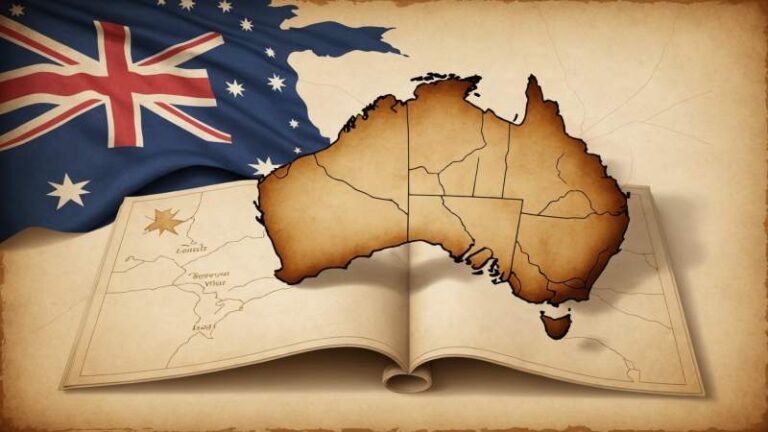
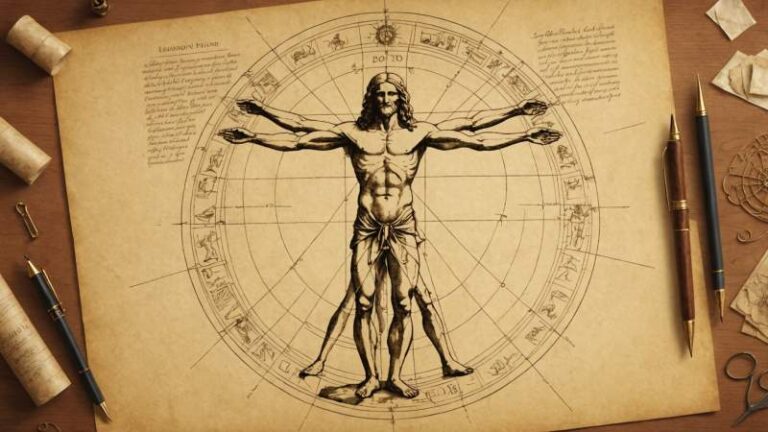
    Leonardo da Vinci was born on 15 April 1452 near Vinci, Italy, to a notary and a peasant woman. He was a multifaceted genius known for his work as an artist, inventor, and engineer. Despite lacking formal education, he studied under Andrea del Verrocchio and joined the Florentine painters’ guild. His notable works include The Last Supper and the Mona Lisa. Leonardo’s legacy continues through exhibitions and educational programs, including those held in Australia.

  • Brazil Discovery Day

    Brazil Discovery Day is observed on 22 April to commemorate the landing of Pedro Álvares Cabral on the South American coast in 1500. This event marked the beginning of Portuguese colonisation and the establishment of Brazil as a Portuguese territory under the Treaty of Tordesillas. Brazil, the largest country in South America and the only Portuguese-speaking nation on the continent, was initially inhabited by indigenous peoples living semi-nomadic lifestyles. The Portuguese divided the coastline into captaincies and began settlement, which evolved into a colony ruled directly by the Portuguese crown.

  • Empire Day

    Empire Day was a globally observed celebration held on 24 May to honour the British Empire and the birthday of Queen Victoria. Established after her death in 1901, the day aimed to promote patriotism and strengthen ties within the empire. New Zealand officially recognised Empire Day in 1903, where it reflected national identity and imperial connections. Over time, the day lost prominence and was replaced by Commonwealth Day in 1958. Today, Empire Day is largely forgotten but remains a historical symbol of the British Empire’s legacy.

  • Queen Victoria's Birthday

    Queen Victoria was born on 24 May 1819 at Kensington Palace in London. She ascended the British throne at age 18 and reigned for over 63 years, shaping the Victorian era. Her birthday became an official public holiday in Canada from 1901 and was historically celebrated in Australia, especially in the state of Victoria named in her honour. The day symbolised imperial unity and was marked by patriotic ceremonies, parades, and public events. Victoria’s legacy includes the establishment of modern monarchy traditions and influence on numerous European royal families.

  • Bounty Day Norfolk Island

    Bounty Day is an official public holiday on Norfolk Island celebrated annually on 8 June. It commemorates the 1856 arrival of Pitcairn Islanders aboard the ship Morayshire, descendants of the Bounty mutineers and Tahitian women. The day honours the mutiny on HMS Bounty and the subsequent settlement of the Pitcairn community on Norfolk Island, which was granted to them by Queen Victoria. Celebrations include reenactments, wreath-laying, parades, hymns, and traditional picnics. The event reflects the island’s unique cultural heritage and historical ties to the British Empire and Australia.

  • US Independence Day

    US Independence Day commemorates the adoption of the Declaration of Independence on 4 July 1776, marking the birth of the United States as a free nation. The Declaration announced the colonies’ separation from British rule and was signed by key figures such as John Hancock and Charles Thomson. Celebrations include fireworks, parades, and patriotic events, not only in the US but also internationally. In Australia, the day is observed with community events, barbecues, and cultural programs organised by US diplomatic missions and diaspora groups.