Dominion Status Day and New Zealand’s Self-Governance
Dominion Status Day is celebrated each year on 26 September to mark New Zealand’s transition from colony to dominion within the British Empire. This change was officially proclaimed in 1907 by King Edward VII.
The status of dominion recognised New Zealand’s responsible government and granted it a recognised form of self-governance, distinguishing it from non-self-governing territories. While largely symbolic, this status was an important milestone in New Zealand’s constitutional development.
The concept of dominion status was part of a wider imperial framework that included other self-governing entities such as Australia and Canada. Over time, dominions like New Zealand progressed towards full sovereignty and external autonomy.
Date and Significance of the Holiday
Dominion Status Day is observed annually on 26 September. This date marks the proclamation of New Zealand’s status as a dominion within the British Empire, which took place on 26 September 1907. The holiday commemorates the transition of New Zealand from a colony to a dominion, symbolising a significant change in its constitutional status within the empire.
Dominion Status in Australia
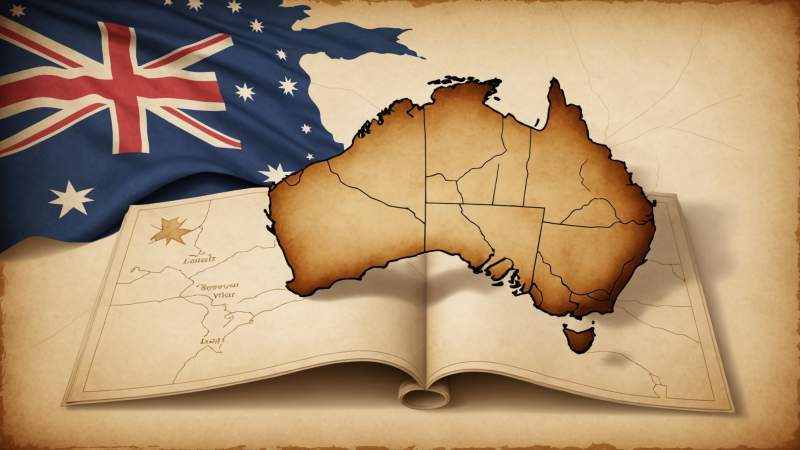
The Commonwealth of Australia attained dominion status on 1 January 1901, following the federation of six British colonies on the Australian continent and Tasmania. From that year, Australia functioned as a dominion with its own Constitution, a federal parliament, and a responsible government, while retaining the British monarch as the head of state. Australia was among the earliest dominions within the British Empire, alongside Canada, and preceded New Zealand in achieving dominion status in 1907. The Balfour Declaration of 1926 formally recognised Australia and other dominions as autonomous communities equal in status to the United Kingdom, no longer subordinate in domestic or foreign affairs. This autonomy was legally affirmed by the Statute of Westminster in 1931, which established that British parliamentary laws would not apply in Australia without its consent, thereby solidifying Australia’s sovereignty as a dominion.
New Zealand’s Path to Dominion Status and Sovereignty
King Edward VII proclaimed New Zealand a dominion, marking a significant step in the country’s constitutional development within the British Empire. The dominion status provided New Zealand with a recognised form of self-governance, distinguishing it from non-self-governing territories. Prior to this proclamation, New Zealand already possessed a well-established responsible government, reflecting its advanced political maturity. The term “dominion” was primarily used to differentiate self-governing colonies from other colonial territories without such autonomy. Although the change in designation from colony to dominion was largely symbolic and did not confer immediate practical effects, it was closely linked to New Zealand’s gradual journey towards full sovereignty. This progression was further underscored by the 1926 Balfour Declaration, which equated dominions with the United Kingdom as autonomous communities within the Empire. Despite this, New Zealand declined to adopt the Statute of Westminster in 1931, delaying its full legislative independence. It was not until 1947 that New Zealand formally accepted complete external autonomy granted by the British Parliament. While the 1907 proclamation of dominion status has never been officially revoked, the term “dominion” is no longer applied to New Zealand, reflecting its evolved constitutional position.
Other Dominions and Changes to the Holidays
Canada observed Dominion Status Day until 1982, marking the significance of its status within the British Empire. However, in 1982, the holiday underwent a transformation and was renamed Canada Day. This change reflected a shift in the national celebration, moving away from the specific recognition of dominion status towards a broader commemoration of Canadian identity and sovereignty.