
• All Saints Day Australia

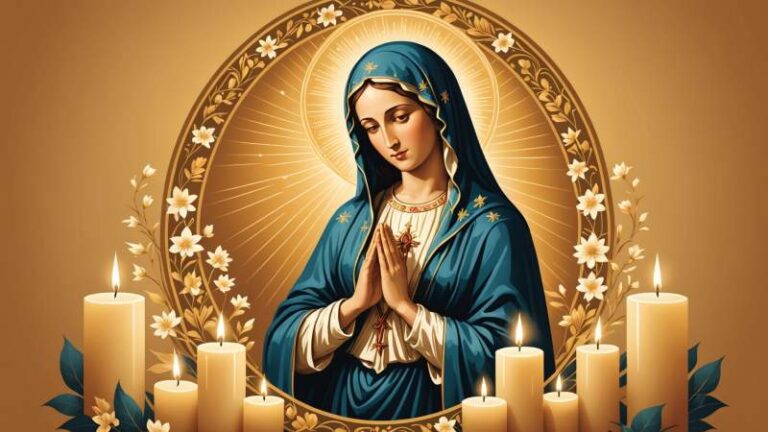
    All Saints Day in Australia is celebrated annually on 1 November, primarily by Catholic and Anglican communities. The day honours all saints, especially those without individual feast days, through special church services, prayers, and visits to cemeteries. Rooted in early Christian tradition and established by Popes Gregory III and IV, the observance is linked to the liturgical calendar and often includes processions and vigils. While not a public holiday, it holds significant spiritual meaning and is marked by various religious activities across Australian Christian communities.

  • World Vegan Day

    World Vegan Day was established on 1 November 1994 to commemorate the 50th anniversary of the Vegan Society and the term ‘vegan’. The term was coined by Donald Watson in 1944 when founding the Vegan Society in London. Veganism is a lifestyle excluding all animal products in diet and clothing, motivated by ethical concerns about animal welfare. In Australia, the day is marked by festivals, educational events, and activism in cities like Melbourne, Sydney, and Brisbane. The day concludes Vegetarian Awareness Month, which begins on 1 October.

  • All Souls Day

    All Souls Day is an annual Christian event observed primarily on 2 November, following All Saints’ Day. It is recognised in Roman Catholicism, Eastern Orthodoxy, Anglicanism, and some Protestant denominations. The day centres on prayers, fasting, and masses for souls in Purgatory, aiming to aid their journey to Heaven. Originating in the Benedictine monastery of Cluny under Saint Odilo in the 11th century, the observance spread throughout Western Christianity. In Australia, Catholic and Anglican communities hold special services and cemetery blessings to honour the deceased.

  • Tasmania Recreation Day

    Tasmania Recreation Day is an official public holiday observed in northern Tasmania on the first Monday of November. Established in 1919 alongside the Bank Holidays Act, it was originally known as the First Monday in November Holiday. The holiday balances the number of public holidays across Tasmania, complementing the Royal Hobart Regatta observed in the south. It has no cultural or religious origins and primarily serves to provide a uniform number of days off for residents. The day also supports local tourism and economic activity within the state.

  • Melbourne Cup

    The Melbourne Cup is a renowned two-mile handicap horse race held annually at Flemington Racecourse in Melbourne. First run in November 1861 with 17 horses competing, it has grown to become Australia’s most valuable race with a prize pool of AUD 8.4 million. The event attracts up to 100,000 spectators and is known for its fashion traditions, including the importance of hats. Notable records include Makybe Diva’s three consecutive wins and the fastest race time set by Kingston Rule in 1990. The Melbourne Cup is a key feature of Melbourne’s spring carnival and is a public holiday in Victoria.

  • International Pathology Day

    International Pathology Day is observed annually in November to raise awareness about pathology and its critical role in disease prevention, diagnosis, and treatment. Established in 2014 by the Royal College of Pathologists, the day highlights pathology as the bridge between medicine and science. Pathology encompasses general and systemic branches, including anatomical, clinical, and molecular pathology. The event features conferences, seminars, and webinars organised globally, including by the Royal College of Pathologists of Australasia, with support from sponsors such as Sonic Healthcare.

  • Guy Fawkes Night

    Guy Fawkes Night, observed on the night of 5 November, marks the foiling of the 1605 Gunpowder Plot in the United Kingdom. The plot involved a group of Catholic conspirators, including Guy Fawkes, who planned to blow up the Houses of Parliament. The event is commemorated with bonfires, effigy burnings, and fireworks. While not a public holiday in the UK, the tradition has been carried to some former British colonies, including parts of Australia. In Australia, celebrations have declined due to fire safety regulations and restrictions on fireworks.

  • International Animal Remembrance Day

    International Animal Remembrance Day, observed on 6 November, commemorates animals that have died as a result of human activities. The day recognises the service animals have provided to humans, including in agriculture, warfare, and scientific research. It highlights the impact of human actions such as habitat destruction, hunting, and illegal trade on wildlife populations. In Australia, conservation groups use this day to raise awareness about endangered species and promote responsible treatment of domestic and wild animals. The observance encourages reflection on human responsibility towards the natural world.

  • Paintball Day

    Paintball Day is celebrated every year on 7 November, recognising the sport of paintball, which originated in the early 1960s. Initially used for forestry marking, paintball evolved into a popular extreme sport by the 1980s. Players use markers that shoot non-toxic paintballs, aiming to eliminate opponents by marking them with paint. In Australia, the sport is governed by Paintball Sports Australia, which enforces strict safety regulations and organises national tournaments through the Australian Paintball League.

  • Remembrance Sunday

    Remembrance Sunday is observed on the second Sunday of November in the United Kingdom to honour those who served in the armed forces and participated in wars. The tradition began in 1919 following the First World War, with King George V leading the first national ceremony and calling for two minutes of silence. Ceremonies take place at military memorials across the UK, featuring wreath laying and the wearing of red poppies, a symbol linked to the poem ‘In Flanders Fields’. The main event is held at the Cenotaph in London, attended by the royal family and other dignitaries.

  • World Adoption Day

    World Adoption Day is observed annually on 9 November to raise awareness about the importance of adoption and to celebrate families formed through this process. Established in 2014 by Hank Fortener and his team via the AdoptTogether platform, the day aims to reduce the number of orphans and provide loving homes for children in need. Adoption involves legally becoming a parent to another person, usually a child, with various mechanisms including open, closed, private, international, and embryo adoption. Events worldwide highlight the joy adoption brings and support families on their adoption journey.

  • International Embroidery Day

    International Embroidery Day, observed annually on 10 November, recognises the art of embroidery and its cultural significance across the world. Embroidery, an ancient craft involving needle and thread to create patterns on fabric, has been integral to clothing and interior decoration in many cultures. This day highlights the preservation of embroidery traditions passed down through generations and honours the dedication of artisans. In Australia, embroidery is celebrated within craft communities, reflecting local nature and Indigenous artistic influences.

  • Remembrance Day

    Remembrance Day in Australia, also known as Poppy Day and Armistice Day, is observed on 11 November to honour those who died in the First and Second World Wars and other conflicts. The day marks the armistice signed on 11 November 1918, ending the First World War. Ceremonies include two minutes of silence at 11:00 am and the playing of the Last Post bugle call. Red poppies, inspired by the poem ‘In Flanders Fields,’ are worn as a symbol of respect. Although less prominent than ANZAC Day, Remembrance Day remains a significant day of reflection across Australia.

  • World Pneumonia Awareness Day

    World Pneumonia Awareness Day is observed annually on 12 November to raise awareness about pneumonia, a leading cause of death among children under five and vulnerable populations. Established in 2009 by the Global Coalition Against Child Pneumonia, the day focuses on prevention, diagnosis, treatment, and access to healthcare. Pneumonia is a serious lung infection that requires medical attention and causes around two million deaths worldwide each year. In Australia, vaccination programs and public health campaigns support pneumonia prevention, especially among high-risk groups.

  • World Kindness Day

    World Kindness Day is celebrated annually on 13 November and was established by the World Kindness Movement (WKM), a non-profit organisation founded in Japan. The day aims to unite diverse kindness movements worldwide and inspire acts of goodwill across cultures. WKM, officially registered in Geneva, includes representatives from over 27 countries and promotes understanding while respecting cultural uniqueness. Various nations, including Australia, participate through educational programs, charity campaigns, and public events.

  • Canterbury Province Day

    Canterbury Province Day marks the establishment and early settlement of Canterbury, one of New Zealand’s six original provinces founded in 1853. The holiday is observed on different dates within the region: South Canterbury celebrates on the fourth Monday of September, while the rest of Canterbury observes the day during the agricultural show in Christchurch in November. The province’s history began with the Canterbury Association’s founding in 1848 and the arrival of the ‘First Four Ships’ in December 1850, which brought nearly 800 settlers. The provincial system was abolished in 1876, but the day remains a significant regional holiday.

  • 15q Syndrome Awareness Day

    15q Syndrome Awareness Day is observed annually on 15 November to increase understanding of genetic disorders caused by alterations in the 15q11-q13 region of chromosome 15. These disorders include Prader-Willi syndrome, Angelman syndrome, and 15q duplication syndrome. Common symptoms involve developmental delays, intellectual disability, seizures, sleep disturbances, and behavioural challenges. The syndromes are currently incurable, with treatment focusing on symptom management. The day supports patients, families, and healthcare professionals worldwide, including activities by FPWR Australia.

  • International Tolerance Day

    International Tolerance Day is observed every year on 16 November to promote awareness of tolerance, respect, and cooperation among diverse cultures. Established following UNESCO’s 1995 Declaration of Principles on Tolerance, the day emphasises recognition of human rights and peaceful coexistence. Tolerance involves understanding and accepting differences in opinions, cultures, and beliefs. In Australia, the day is marked by educational and cultural events supporting multiculturalism and anti-discrimination laws. It serves as a reminder of the importance of equality and dignity for all individuals regardless of background.

  • International Gose Day

    International Gose Day is observed on 17 November to celebrate gose, a traditional German sour beer style originating from Goslar in the early 13th century. Gose is characterised by its tart, salty, and herbal flavours, achieved through the addition of coriander and salt, and a grain bill with at least 50% malted wheat. The style became popular in Leipzig by the 18th century and experienced decline in the 20th century before a revival starting in 1986. Today, gose is enjoyed worldwide, including in Australia where craft brewers incorporate local ingredients and flavours.

  • Mickey Mouse Birthday

    Mickey Mouse Birthday is celebrated on 18 November, marking the anniversary of the 1928 release of Steamboat Willie, the character’s official screen debut. Created by Walt Disney after losing rights to Oswald the Lucky Rabbit, Mickey first appeared in earlier silent cartoons but gained fame with this pioneering sound cartoon. The character evolved from a simple mouse to a cultural icon with companions like Pluto and Minnie. In Australia, the day is observed with themed events, screenings, and educational activities.

  • Universal Children's Day

    Universal Children’s Day is celebrated annually on 20 November to promote the welfare and rights of children worldwide. Established by the United Nations General Assembly in 1954, the day encourages solidarity and cooperation among nations. It marks the adoption of the Declaration of the Rights of the Child in 1959 and the Convention on the Rights of the Child in 1989. The observance highlights the vulnerabilities faced by children, including poverty, lack of education, and health challenges. Various organisations and governments, including Australia, participate in activities to support children’s rights and well-being.

  • World Hello Day

    World Hello Day is celebrated every 21 November to emphasise the significance of personal greetings in maintaining peace. Initiated in 1973 by American brothers Michael and Brian McCormack during the Cold War, the day encourages people worldwide to greet at least ten others. The event has gained support in over 180 countries and is observed by individuals from all walks of life. In Australia, the day is recognised through community initiatives, reflecting the local culture of informal and friendly communication.

  • Presentation of Mary

    The Presentation of the Blessed Virgin Mary is celebrated annually on 21 November by several Christian denominations including the Roman Catholic and Ukrainian Greek Catholic Churches. This feast commemorates the event when Mary, the mother of Jesus, was dedicated to the Jerusalem temple by her parents, Saints Joachim and Anna. At the age of three, Mary was brought to the temple where she lived until adolescence, dedicating herself to prayer and scripture. Established as a feast in the eighth century, it is one of the twelve major liturgical celebrations in Christianity, excluding Easter. Various traditional customs and restrictions are associated with this day, reflecting its spiritual significance.

  • International Sons Day

    International Sons Day is observed annually on 22 November in many countries to express love and gratitude towards sons. This young and unofficial celebration emerged through media and social networks. Families spend time together, share gifts, and engage in activities that strengthen parent-son relationships. In Australia, the day often includes visits to zoos, picnics, and sporting events, promoting family unity and cultural appreciation. The day supports the recognition of sons’ roles within families and society.

  • World Information Day

    World Information Day is celebrated annually on 26 November, established in 1994 by the International Academy of Informatization and officially registered by UNESCO. The day recognises the vital role of information in human life and its growing significance due to technological and social progress. The event is observed globally, reflecting the continuous increase in information volume and the impact of digital technologies such as the internet and digital broadcasting. It also addresses challenges like information overload and information stress, which have social and health implications.

  • Mars Exploration Day

    Mars Exploration Day is celebrated every 28 November to honour the launch of the Mariner 4 spacecraft, which conducted the first successful flyby of Mars. Mariner 4 provided the first close-up images of the Red Planet’s surface, revealing its iron oxide-rich terrain. Mars, the fourth planet from the Sun, is known for its distinctive reddish appearance and is named after the Roman god of war. The day is widely observed by astronomy enthusiasts and space researchers, with various educational events held across Australia.

  • Nativity Fast

    The Nativity Fast, also known as the Philip’s Fast or Forty-Day Fast, is a period of fasting observed by Orthodox Christians in preparation for Christmas. It begins on 28 November and lasts until 6 January, commemorating the birth of Christ. The fast involves abstaining from meat, dairy, and certain oils, with specific allowances for fish on weekends and feast days. The tradition dates back to the 4th century and varies slightly among Orthodox jurisdictions, including those in Australia. The fast emphasises spiritual purification alongside physical abstinence.

  • International Women Human Rights Defenders Day

    International Women Human Rights Defenders Day is observed annually on 29 November to honour women who defend human rights and those who combat discrimination against women. The day recognises the additional vulnerabilities faced by women human rights defenders, including gender-based violence, threats, and defamation. Supported by the UN Human Rights Office and global organisations like Amnesty International, the day promotes awareness and protection measures. It also encourages actions to empower defenders, especially in regions with patriarchal norms and widespread human rights violations.