Civic

  • Smiley Face Origin

    The smiley face symbol was first proposed on 19 September 1982 by Professor Scott Fahlman of Carnegie Mellon University. He suggested using the sequence 🙂 to represent a smiling face in text, helping to convey humour and emotion in electronic communication. This proposal was posted on the university’s electronic bulletin board, a precursor to modern forums. The smiley has since become a widespread tool for expressing tone and mood in digital messages.

  • Wombat Day

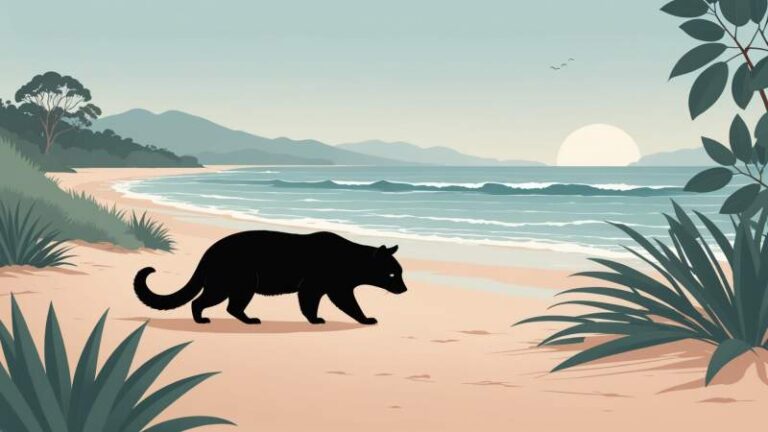
    Wombat Day is an unofficial annual event in Australia held on 22 October since 2005. It celebrates wombats, herbivorous marsupials native exclusively to Australia, known for their burrowing habits and nocturnal feeding. The event raises awareness of wombat species, including the endangered Queensland wombat. Australians observe the day by visiting zoos, wearing wombat-themed clothing, and preparing wombat-shaped baked goods.

  • Kangaroo Awareness Day

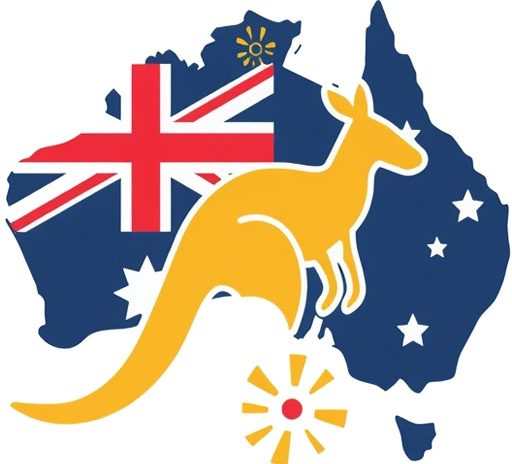
    Kangaroo Awareness Day is dedicated to recognising kangaroos, one of Australia’s most iconic marsupials. Kangaroos belong to the Macropodidae family, which includes several species such as the red kangaroo and eastern grey kangaroo. They are known for their powerful hind legs and long muscular tails, which aid in their unique mode of locomotion—jumping. The day also raises awareness about kangaroo hunting, population control, and the challenges kangaroos face in the wild. This event was initiated by Friends of Mother Earth Incorporated, an organisation focused on wildlife conservation.

  • Tasmania Recreation Day

    Tasmania Recreation Day is an official public holiday observed in northern Tasmania on the first Monday of November. Established in 1919 alongside the Bank Holidays Act, it was originally known as the First Monday in November Holiday. The holiday balances the number of public holidays across Tasmania, complementing the Royal Hobart Regatta observed in the south. It has no cultural or religious origins and primarily serves to provide a uniform number of days off for residents. The day also supports local tourism and economic activity within the state.


  • Guy Fawkes Night

    Guy Fawkes Night, observed on the night of 5 November, marks the foiling of the 1605 Gunpowder Plot in the United Kingdom. The plot involved a group of Catholic conspirators, including Guy Fawkes, who planned to blow up the Houses of Parliament. The event is commemorated with bonfires, effigy burnings, and fireworks. While not a public holiday in the UK, the tradition has been carried to some former British colonies, including parts of Australia. In Australia, celebrations have declined due to fire safety regulations and restrictions on fireworks.

  • Mars Exploration Day

    Mars Exploration Day is celebrated every 28 November to honour the launch of the Mariner 4 spacecraft, which conducted the first successful flyby of Mars. Mariner 4 provided the first close-up images of the Red Planet’s surface, revealing its iron oxide-rich terrain. Mars, the fourth planet from the Sun, is known for its distinctive reddish appearance and is named after the Roman god of war. The day is widely observed by astronomy enthusiasts and space researchers, with various educational events held across Australia.

  • National Rubber Sandals Day

    National Rubber Sandal Day is observed annually on 2 December in New Zealand, recognising the cultural importance of rubber sandals, locally known as jandals. The footwear was invented in New Zealand, with production starting in 1957 by Morris Yock. The day encourages wearing jandals at work and supports Surf Life Saving New Zealand through donations. Research shows a predominance of left-footed sandals washing ashore, linked to local fishing practices.

  • Nobel Day

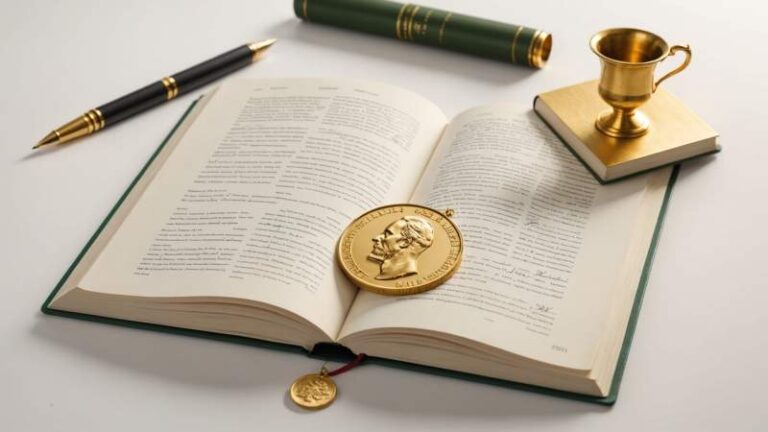
    Nobel Day is observed annually on 10 December in Stockholm to commemorate Alfred Nobel, the Swedish chemist and inventor who passed away in 1896. Nobel, known for inventing dynamite and holding over 350 patents, established the Nobel Prize through his will to reward outstanding contributions in science, literature, and peace. The Nobel Prize ceremony includes awarding medals, diplomas, and monetary prizes to laureates, followed by a banquet and concert. The event highlights the importance of knowledge, humanitarianism, and global recognition of excellence.

  • Christmas Eve

    Christmas Eve is observed on 24 December and marks the conclusion of the Advent season, a period of preparation for Christmas. Rooted in Christian liturgy and influenced by Jewish tradition, it commemorates the birth of Jesus Christ at midnight. Various customs include church services, family dinners, gift-giving, and folklore such as animals speaking at midnight. In Australia, Christmas Eve is celebrated with beach barbecues and unique local customs involving Santa Claus arriving on a surfboard.

  • Paper Snowflake Day

    Paper Snowflake Day is observed on 27 December, recognising the traditional craft of paper cutting that began in China. This art form has spread worldwide and is popular in Australia, where paper snowflakes are used as festive decorations. The day is linked to preparations for Christmas and New Year celebrations. Creating paper snowflakes involves folding and cutting paper to produce unique designs, often as a family or school activity. These decorations enhance windows, trees, and interiors during the holiday season.

  • New Year's Eve

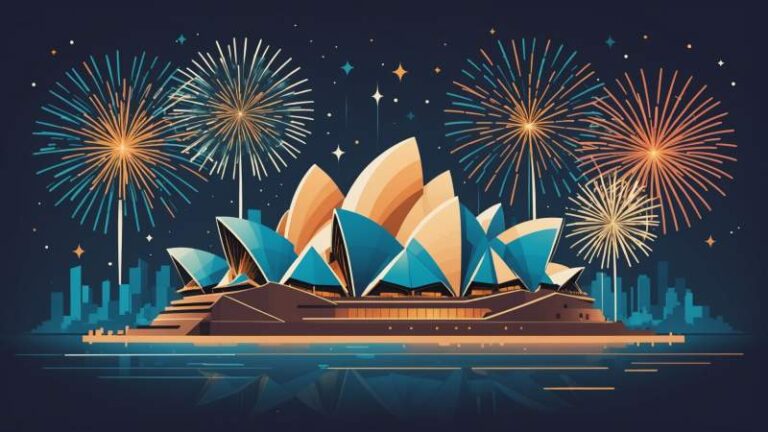
    New Year’s Eve is celebrated annually on 31 December worldwide, with origins tracing back to ancient Babylonian and Roman festivities. In Australia, the day is marked by reduced working hours and extensive preparations for the new year. Major cities like Sydney host large-scale fireworks displays, including family and midnight shows over the Harbour Bridge. Public celebrations often include street festivals, concerts, and outdoor gatherings, with safety measures and alcohol regulations in place. The summer season in Australia allows for outdoor festivities on beaches and parks.

  • International Digestive Rest Day

    International Digestive Rest Day is observed on 5 January to support the digestive system after the heavy eating typical of the holiday season. Originating from traditions linked to Christmas and New Year celebrations, this day encourages a lighter diet focusing on easily digestible proteins, grains, and vegetables. In Australia, the day is endorsed by dietitians and fitness professionals, with wellness centres hosting events to promote healthy eating. The day discourages consumption of fatty, fried, and sugary foods, aiming to aid recovery from festive excesses.

  • Workplace Poetry Day

    Workplace Poetry Day is celebrated annually on the second Tuesday of January, encouraging employees to engage with poetry as a means of relaxation and mental stimulation. Poetry, an ancient form of expression using structured language and rhyme, supports creativity, empathy, and psychological balance in the workplace. Activities such as poetry slams and shared readings foster community and improve work relationships. The day highlights poetry’s value in enhancing cognitive abilities and reducing stress, contributing to greater work efficiency.

  • Rubber Duck Day

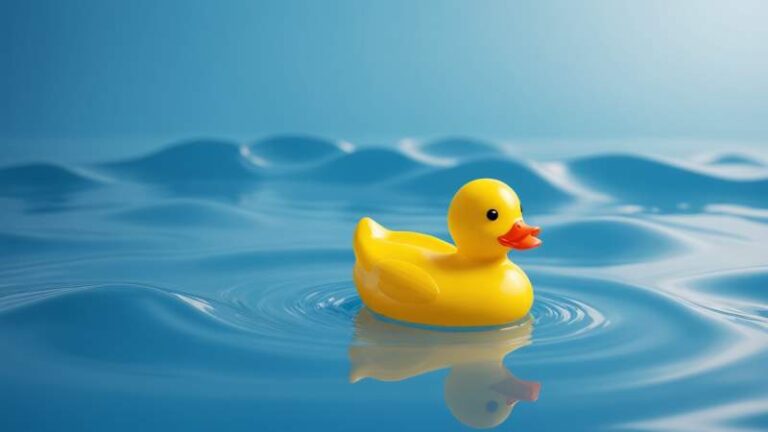
    Rubber Duck Day is observed annually on 13 January, commemorating the iconic toy’s rich history and cultural significance. Originating in the 1800s with the advent of rubber production, the toy was patented in 1928 by Landon Smart Lawrence, who innovated its design to stand upright. During both world wars, rubber ducks were made from plastic and vinyl due to rubber shortages. A notable event in 1992 involved 28,000 rubber ducks falling overboard during a storm, leading to their dispersal across oceans, including Australian shores. This incident contributed to oceanographic studies and embedded the rubber duck in popular culture, especially in Australia.

  • Lighthouse Illumination Day

    Lighthouse Illumination Day is observed annually on 18 January to recognise the importance of lighthouses in maritime navigation and safety. These resilient structures have guided sailors for centuries, helping them avoid hazards and find safe passage. In Australia, the first lighthouse was built in 1791 at Sydney Harbour, marking a significant historical milestone. Lighthouses also hold cultural and tourist value, with sites like Byron Bay attracting visitors for their scenic and heritage appeal. The day serves as a reminder of the enduring symbolism of lighthouses as beacons of hope, safety, and steadfastness.

  • Mismatch Clothing Day

    Mismatch Clothing Day is observed annually on the fourth Thursday of January, encouraging people to wear bright, unmatched clothing from head to toe. Neutral and commonly matching colours like white, black, grey, dark blue, and brown are discouraged. The day celebrates mixing colours, prints, and textures freely, reflecting a bold approach to fashion. Historically, clothing served protective and social functions, evolving into a form of self-expression. In Australia, this day aligns with local fashion trends that embrace vibrant colours, indigenous influences, and sustainable practices.

  • National Apology Day

    National Apology Day in Australia is observed annually on 13 February to commemorate the 2008 apology delivered by Prime Minister Kevin Rudd to the Stolen Generations. This apology acknowledged the forced removal of Indigenous children from their families under assimilation policies from the early 20th century to the 1970s. The day highlights the federal government’s commitment to rehabilitation, justice, and reconciliation for Aboriginal and Torres Strait Islander peoples. It is distinct from the National Sorry Day held on 26 May, which marks the presentation of the ‘Bringing Them Home’ report. National Apology Day serves as a significant step towards addressing past injustices and promoting healing.

  • Valentine's Day Australia

    Valentine’s Day in Australia is marked by numerous festivals that have grown in popularity over time. Approximately 90% of Australians aged 18 to 24 and 45% of those over 50 celebrate the occasion. Historically, during the Gold Rush era, extravagant valentines were common in Ballarat, including perfumed satin cushions adorned with live flowers and colourful shells. Modern celebrations focus on giving flowers, cards, and expressing affection through SMS messages, with men purchasing more cards than women.

  • Beautiful Birth Festival

    The Beautiful Birth Festival is an annual event held in Adelaide that celebrates childbirth and the strength of mothers. Established in 2008 by a committee of experienced women, the festival honours both the physical and spiritual aspects of birth. It aims to promote positive birth stories and support for families, involving government and charitable organisations. The festival also highlights the importance of maternal and child welfare in the community.

  • International Day Against Police Brutality

    The International Day Against Police Brutality is observed annually on 15 March, first established in 1997 by groups from Montreal and Switzerland. It aims to raise awareness about police violence, which is a widespread issue involving unjustified use of force by law enforcement. The day is marked by demonstrations, particularly in Montreal, where thousands participate despite police interventions. In Australia, police brutality disproportionately affects Indigenous communities, with numerous incidents and calls for independent investigations.

  • Take Our Daughters and Sons to Work Day

    Take Our Daughters and Sons to Work Day is a non-profit educational program encouraging parents to bring their children to the workplace for a day. Originating in the United States in 1993, the event expanded in 2003 to include boys alongside girls. It is observed annually on the fourth Thursday of April in Australia, the US, and Canada. Australian companies use the day to introduce children to workplace safety and various career paths, often organising tailored events in major cities. The program also supports community inclusion by recommending participation from children in local shelters.