
National Rubber Sandal Day in New Zealand: Origins and Customs
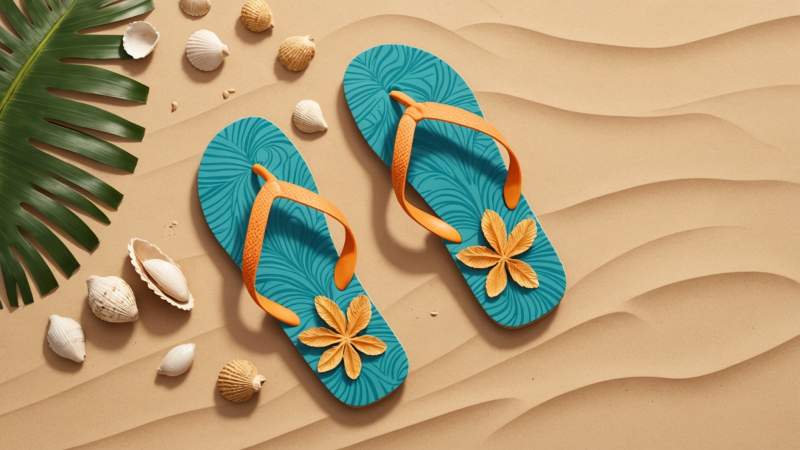
National Rubber Sandal Day is a unique celebration in New Zealand that honours the iconic rubber sandal, commonly called the jandal. This footwear holds a special place in New Zealand culture and daily life.
The jandal was invented in New Zealand, with production beginning in 1957 by businessman Morris Yock, who imported rubber from Hong Kong and crafted sandals in a garage workshop. The name ‘jandal’ combines the words ‘Japanese’ and ‘sandal’.
Observed annually on 2 December since 2007, the day encourages New Zealanders to wear jandals at work and supports Surf Life Saving New Zealand, an organisation dedicated to beach safety for over a century.
Date and Traditions of the Holiday
National Rubber Sandal Day is celebrated annually in New Zealand on 2 December, a tradition that has been observed since 2007. On this day, employees are encouraged to come to work wearing rubber sandals, fostering a relaxed and communal atmosphere across various workplaces. Additionally, the holiday serves a charitable purpose, as donations are collected to support Surf Life Saving New Zealand, an organisation dedicated to beach safety and rescue services. These customs combine to make National Rubber Sandal Day both a festive and meaningful occasion within the country.
The Significance of Rubber Sandals in New Zealand
New Zealand, with a population exceeding five million people, demonstrates a unique cultural attachment to rubber sandals. It is notable that every New Zealander owns at least one pair of these sandals, highlighting their widespread presence in daily life. The versatility of rubber sandals is evident in their use across various settings: they are commonly worn indoors, during casual walks, at beach parties, on public transport, and occasionally even in the workplace. This extensive use underscores the integral role rubber sandals play in the everyday lifestyle of New Zealanders, reflecting both practicality and cultural identity.
History and Production of Rubber Sandals
Rubber sandals, commonly known in New Zealand as “jandals,” were invented in the country. The production of these sandals began in 1957 when businessman Morris Yock started manufacturing them after a trip to Japan. Morris Yock, together with his son Anthony, crafted the sandals in a workshop garage, sourcing rubber imported from Hong Kong. This small-scale production laid the foundation for what would become a significant footwear business. In 1987, the sandal manufacturing business was acquired by Sanford Industries, marking a new chapter in its commercial development. The term “jandal” itself is derived from the English words “Japanese” and “Sandal,” reflecting the inspiration behind the design and its origins.
Research and Beach Safety Support
A comprehensive 23-year study conducted on the northern beaches of New Zealand revealed a curious pattern: a greater number of left-footed rubber sandals wash ashore compared to their right-footed counterparts. One prevailing theory attributes this imbalance to the typical behaviour of fishermen and yachtsmen, who often push off boats using their left foot when boarding, potentially leading to the loss of left sandals more frequently. In parallel with these findings, Surf Life Saving New Zealand has played a crucial role in beach safety for over a century. This organisation has been actively patrolling beaches and rescuing swimmers, contributing significantly to the protection and well-being of beachgoers across the country.