
• Testers' Day

    Testers’ Day is an unofficial professional celebration held annually on 9 September to recognise software testers and quality assurance specialists. The date commemorates the discovery of the first documented computer bug in 1947, when a moth was found trapped in the Harvard Mark II Aiken Relay Calculator. This incident popularised the term ‘bug’ for computer errors. The original moth is preserved in the National Museum of American History. In Australia, the day is marked by professional communities through conferences, courses, and competitions.

  • R U OK? Day

    R U OK? Day is a national day of action in Australia dedicated to encouraging people to check in on others and promote mental health awareness. Established in 2009 by Gavin Larkin to honour his father and prevent suicide, the day is observed annually on the second Thursday of September. The event focuses on recognising signs of distress and fostering supportive conversations without requiring expertise. It is supported by many public figures and involves schools, workplaces, and communities across Australia.

  • World Suicide Prevention Day

    World Suicide Prevention Day is observed annually on 10 September to raise awareness about the preventability of suicide. Organised by the World Health Organization with support from the International Association for Suicide Prevention and under the UN patronage, it highlights suicide as a major global health issue. Suicide accounts for half of violent deaths worldwide, with over 720,000 deaths annually. The day promotes national strategies and community actions to reduce suicide rates, including significant initiatives in Australia.

  • International Anti-Terrorism Day

    International Anti-Terrorism Day is observed annually on 11 September to remember the tragic terrorist attacks of 2001 on the World Trade Center and the Pentagon. Established in 2008, the day emphasises the importance of peace, security, and respect for human life worldwide. It draws attention to the global impact of terrorism and encourages support for victims and efforts to combat extremism. Australia’s involvement in the fight against terrorism includes military contributions in Afghanistan following the attacks.

  • World Dolphin Day

    World Dolphin Day is observed annually on 12 September to highlight the need for increased protection and support for dolphins. Established in 2022 by Sea Shepherd Global, the day commemorates the largest recorded dolphin killing on the Faroe Islands in 2021. Dolphins, aquatic mammals within the infraorder Cetacea, face threats primarily from human activities such as hunting, bycatch, pollution, and habitat destruction. In Australia, dolphins receive comprehensive legal protection under federal and state laws, including the Australian Whale Sanctuary and specific bycatch reduction programs.

  • International Chocolate Day

    International Chocolate Day, observed annually on 13 September, honours the cultural and historical significance of chocolate. Originating from ancient Mayan and Aztec civilisations, cocoa beans were once used as currency and for making traditional drinks. Chocolate became widely accessible after the Industrial Revolution, evolving into various types and popular treats worldwide. Australia recognises this day with special promotions, reflecting its own rich chocolate manufacturing history, including the longstanding Cadbury factory in Hobart.

  • Sustainable House Day

    Sustainable House Day is an annual Australian event held on the second Sunday of September, dedicated to educating the public about environmentally sustainable living and energy conservation. Established in 2001 by the Australian Solar Council, the day features tours of green homes, discussions with designers and engineers, and demonstrations of sustainable technologies. The event highlights the use of passive solar design, water recycling systems, and energy-efficient materials in Australian homes. Organised by the Alternative Energy Association and EnviroShop since 2015, it encourages widespread participation in sustainable practices.

  • Hairdresser Day

    Hairdresser Day is observed annually on 13 September in many countries to acknowledge the importance of hairdressers. The profession has a rich history, with hairstyling symbolising status in ancient Egypt and Rome. Modern hairdressers are artists and consultants who enhance clients’ appearance and confidence. In Australia, the day is marked by events such as workshops, competitions, and cultural celebrations highlighting sustainable beauty trends and diverse hairstyling techniques.

  • Sobriety Day

    Sobriety Day is observed every 14 September to promote a lifestyle free from alcohol and to celebrate the achievements of those who choose sobriety. Established in 2019 by Courtney Andersen and Lori Masikot, founders of the Real Aligned Women podcast, the day is officially recognised and supported by SAMHSA. It raises awareness about addiction challenges, reduces stigma, and encourages open discussion about recovery. The event includes workshops, sober social gatherings, and educational programmes, emphasising community support and healthier living.

  • Free Money Day

    Free Money Day is observed annually on 15 September as a social experiment to promote the sharing economy and encourage money to circulate rather than accumulate. Initiated in 2011 by Donnie Maclurcan of The Post Growth Institute, the event involves participants giving money to strangers and passing on half of what they receive. Activities include various forms of money transfer, such as leaving cash in public or online transactions. The event has been held worldwide with over 300 activities in 35 countries, aiming to foster a cooperative attitude towards money. In Australia, the event aligns well with local cashless payment culture and community initiatives.

  • International Ozone Layer Protection Day

    International Ozone Layer Protection Day is observed annually on 16 September to commemorate the signing of the Montreal Protocol in 1987. This day highlights global efforts to reduce and eliminate substances that deplete the ozone layer, which protects life on Earth from harmful ultraviolet radiation. The United Nations General Assembly established this observance in 1994, encouraging countries to promote awareness and actions aligned with the Protocol’s objectives. Australia actively participates in these efforts through legislation and international commitments.

  • Australian Citizenship Day

    Australian Citizenship Day is observed annually on 17 September to celebrate belonging to the Australian nation and reflect on the importance of citizenship. Established by the Australian government in 2001 following a 2000 initiative by the Australian Citizenship Council, the day marks the renaming of the Nationality and Citizenship Act to the Australian Citizenship Act in 1973. The Department of Immigration and Border Protection organises the event, encouraging participation from all Australians. Typical activities include citizenship ceremonies and educational events by schools and community groups.

  • Old Friend Reunion Day

    Old Friend Reunion Day, observed on 18 September, focuses on reconnecting with old friends to restore social bonds and reduce loneliness. It highlights the importance of maintaining friendships from school, work, or neighbourhoods. In Australia, organisations like Beyond Blue and Lifeline Australia support social connection initiatives to combat isolation. Government programs and community groups also promote social engagement to improve mental health and wellbeing.

  • Smiley Face Origin

    The smiley face symbol was first proposed on 19 September 1982 by Professor Scott Fahlman of Carnegie Mellon University. He suggested using the sequence 🙂 to represent a smiling face in text, helping to convey humour and emotion in electronic communication. This proposal was posted on the university’s electronic bulletin board, a precursor to modern forums. The smiley has since become a widespread tool for expressing tone and mood in digital messages.

  • World Cleanup Day

    World Cleanup Day is an international event held annually on 20 September, established by the United Nations General Assembly resolution 78/122. Originating from an Estonian movement in 2008, it mobilises millions worldwide to clean natural environments and promote sustainable waste management. The event emphasises collective responsibility, waste separation, recycling, and environmental education. Australia actively participates with large-scale cleanups, educational programs, and regional waste reduction initiatives.

  • International Day of Peace

    The International Day of Peace is observed annually on 21 September as a day dedicated to strengthening ideals of peace among all nations and peoples. Established by the United Nations General Assembly in 1981, it calls for a global ceasefire and rejection of violence. The day includes educational and community activities worldwide, highlighting themes such as human rights, disarmament, and sustainable development. In Australia, the day is marked by events promoting peace, inclusivity, and social justice. The observance emphasises the importance of equality, non-discrimination, and collective efforts to build a just and peaceful society.

  • Hobbit Day

    Hobbit Day is an unofficial celebration held annually on 22 September to mark the birthdays of Bilbo and Frodo Baggins, characters from J.R.R. Tolkien’s works. Originating in 1978 through the American Tolkien Society, the event features costume picnics, games, and cultural activities. The date is based on Tolkien’s fictional calendar, leading to some debate among fans about the exact timing. In Australia, Hobbit Day is celebrated with outdoor gatherings in national parks, costume readings, and themed festivities reflecting the spirit of the Shire.

  • International Sign Language Day

    International Sign Language Day is observed annually on 23 September, coinciding with the International Week of the Deaf. The day was proclaimed by the United Nations General Assembly to highlight the importance of sign languages for the human rights of deaf people. It commemorates the founding of the World Federation of the Deaf in 1951, an organisation that advocates for deaf communities globally. Over 70 million deaf individuals use more than 300 different sign languages worldwide, which are linguistically rich and independent from spoken languages. In Australia, Auslan is the recognised national sign language, supported by legislation and educational programs.

  • Systems Analyst Day

    Systems Analyst Day is celebrated annually on 24 September in many countries to honour specialists who play a crucial role in IT and business. Established in 2000, the day recognises systems analysts who facilitate communication between clients and development teams. These professionals analyse business needs, manage requirements, and prepare detailed project documentation. The role is increasingly important and in demand due to the complexity of modern technical solutions.

  • Koala Conservation Day

    Koala Conservation Day is observed annually on the last Friday of September in Australia to highlight the threats facing koalas and the need to conserve their habitats. Koalas are tree-dwelling marsupials native to coastal regions of eastern and southern Australia, including New South Wales, Queensland, South Australia, and Victoria. Classified as vulnerable by the IUCN, koalas face habitat loss, dog attacks, vehicle collisions, bushfires, droughts, and climate change impacts. The day was established in 2008 by the Australian Koala Foundation, a non-profit organisation dedicated to koala conservation. Activities include supporting conservation efforts, symbolic adoptions, and educational initiatives.

  • International Rabbit Day

    International Rabbit Day is observed annually on the last Saturday of September to promote the welfare and protection of both domestic and wild rabbits. Established in 1998 by the UK-based Rabbit Charity, the day aims to raise awareness about the care needs of rabbits and the importance of providing safe shelter. Rabbits face threats from viral diseases and predators, making their protection vital. In Australia, rabbits were introduced in the late 18th century and have since become a significant ecological concern, leading to various control measures and legal regulations.

  • Old Friends Reunion Day

    Old Friends Reunion Day is celebrated annually on 26 September to remind people of the importance and value of friendship. The day recognises how friendships provide positive emotions, a sense of security, and contribute to health by reducing stress and anxiety. In Australia, although not an official public holiday, the day aligns well with local customs of social gatherings, such as barbecues and reunions. Australians often maintain friendships over long distances through digital communication, reflecting the country’s vast geography and community-oriented culture.

  • Dominion Status Day

    Dominion Status Day is observed annually on 26 September to commemorate New Zealand’s proclamation as a dominion within the British Empire in 1907. King Edward VII declared New Zealand a dominion, recognising its form of self-government. Although the change was largely symbolic, it marked a step towards full sovereignty. The status distinguished self-governing colonies from other territories and was part of a broader process of constitutional development within the empire. The term ‘dominion’ is no longer used in relation to New Zealand, but the day reflects its historical journey towards autonomy.

  • Google Birthday

    Google’s birthday is celebrated on 27 September, marking the founding of the company by Larry Page and Sergey Brin. The founders met at Stanford University and developed the PageRank algorithm, which became the foundation of Google’s search engine. Originally named BackRub, Google was officially registered in 1998. Google supports numerous services including YouTube, Gmail, and Google Maps, and is recognised as the most popular website globally. Google Australia contributes locally through offices, educational initiatives, and service localisation.

  • South Canterbury Day

    South Canterbury Day is celebrated on the fourth Monday of September in the South Canterbury region of New Zealand’s South Island. The region lies between the Rangitata River and the Otago boundary and has a rich history involving Maori tribes and early European settlers, including French whalers. Despite never being a separate province, South Canterbury maintains its own day, reflecting local identity and historical attempts to establish provincial status. This day coincides with the former Dominion Day, highlighting New Zealand’s colonial heritage and regional commemorations.

  • National Police Remembrance Day

    National Police Remembrance Day is observed annually on 29 September to honour police officers who have died in the past twelve months. This day recognises those who lost their lives in the line of duty, as well as those who passed away due to illness or other causes. The observance holds special significance in Australia, New Zealand, Papua New Guinea, Samoa, and the Solomon Islands. Established in 1989, the day coordinates remembrance across police jurisdictions in Australasia and the Pacific region. It reflects the risks and responsibilities inherent in policing, including maintaining law and order and protecting communities.

  • International Translation Day

    International Translation Day is celebrated annually on 30 September to recognise the vital role of translators in connecting people and cultures. Established by the International Federation of Translators in 1991, the day highlights the profession’s importance in global communication and cultural exchange. The date honours Saint Jerome, the patron saint of translators, known for translating the Bible into Latin. Various events worldwide promote awareness of translation, including professional seminars and cultural exhibitions. In Australia, the day supports multilingual communities and emphasises accredited translation services.

  • Saint Jerome

    Saint Jerome was a 4th-century priest and Doctor of the Church known for translating the Bible into Latin, producing the Vulgate. Born in Stridon, modern-day Croatia, he studied in Rome and was ordained in the East. Jerome lived a monastic life in Bethlehem, where he died in 420. He is honoured as the patron of biblical scholars, translators, librarians, and archaeologists. In Australia, his feast day on 30 September is observed by Catholic communities, with several parishes and schools named after him.

  • Acacia Day Australia

    Acacia Day in Australia is observed annually on 1 September, coinciding with the first day of spring in the Southern Hemisphere. The celebration honours the golden wattle (Acacia pycnantha), Australia’s national floral emblem, officially proclaimed in 1988. The tradition of wearing a sprig of flowering acacia dates back to a 19th-century regatta in Hobart. The day includes various regional events, charitable activities, and encourages Australians to appreciate and plant acacias. The golden wattle symbolises national pride and is featured on the Australian coat of arms and national colours.


  • Indigenous Literacy Day

    Indigenous Literacy Day is an annual campaign held on the first Wednesday of September, organised by the Indigenous Literacy Foundation, a non-profit Australian charity. The Foundation supports remote Aboriginal and Torres Strait Islander communities by providing culturally relevant books and educational resources. The day aims to unite Western and Indigenous concepts of literacy, helping preserve native languages and cultures. It also promotes access to education for children in remote areas and raises awareness nationwide through various community and organisational activities.

  • International Coconut Day

    International Coconut Day is observed on 2 September by major coconut-producing and consuming countries worldwide. Established by the Asia-Pacific Coconut Community, the day aims to raise awareness about the nutritional value and versatility of coconuts while supporting the coconut industry. The coconut palm, native to the Indo-Pacific region, produces coconuts that are used for their water, meat, milk, and oil. Member countries of the Asia-Pacific Coconut Community account for over 90% of global coconut production and export. Australia also contributes to coconut production, particularly in Queensland and northern New South Wales.

  • Australian National Flag Day

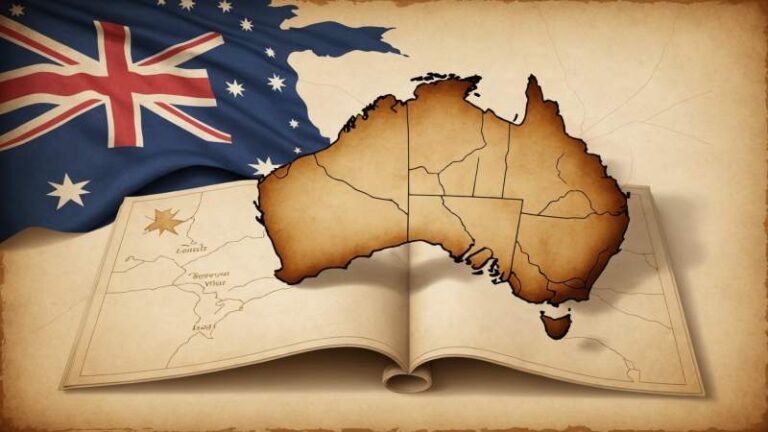
    Australian National Flag Day is observed on 3 September as an official commemorative date, marked by flag-raising ceremonies nationwide. The flag features a blue field with the Union Jack, the Commonwealth Star, and the Southern Cross constellation. Its design reflects Australia’s colonial history and federation origins. The day was officially proclaimed in 1996 and is celebrated in schools and government institutions. The flag’s legal status was formalised in 1954 following royal assent.

  • Macadamia Nut Day

    Macadamia Nut Day is observed on 4 September to recognise the native Australian macadamia tree and its edible nuts. Originating from subtropical rainforests in Queensland and New South Wales, macadamias have a rich history dating back to Aboriginal use over a thousand years ago. The nut is valued for its nutritional content and is widely used in culinary and cosmetic products. Australia remains a leading producer alongside South Africa and the United States. Conservation efforts address the vulnerability of wild macadamia populations due to habitat loss.

  • International Charity Day

    International Charity Day is observed annually on 5 September, commemorating the death of Mother Teresa, a renowned figure in charitable work. The day encourages dialogue among diverse cultures and religions and promotes solidarity with those in need. Established by the United Nations General Assembly, the observance highlights the role of charity in eradicating poverty worldwide. Various organisations, including those in Australia, support and recognise this day.

  • Father's Day Australia

    Father’s Day in Australia is celebrated on the first Sunday of September, reflecting a tradition that began in the 20th century alongside Mother’s Day. The holiday honours the role of fathers in child upbringing and personal development. Originating from Sonora Smart Dodd’s initiative in the United States, the day has become a widespread custom. Australians mark the occasion with gifts, family breakfasts, outdoor activities, and community events, strengthening bonds between fathers and children. Although not a public holiday, it is observed with enthusiasm across the country.

  • Endangered Species Day Australia

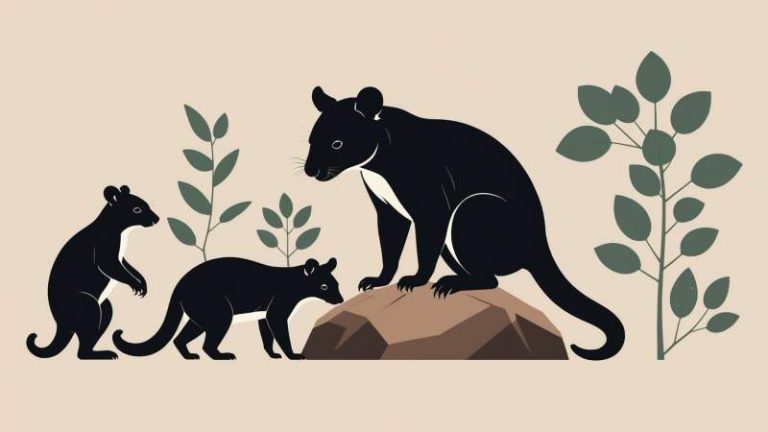
    Endangered Species Day in Australia is observed on 7 September to mark the death of the last captive thylacine in 1936. Australia is home to around 200,000 animal species, most of which are endemic, including 83% of mammals and 89% of reptiles. The thylacine, a unique marsupial carnivore, became extinct due to human activities such as colonisation and livestock farming. This day raises awareness about species extinction and promotes conservation efforts through educational and social media campaigns.

  • Journalists' Solidarity Day

    The International Day of Journalists’ Solidarity is observed annually on 8 September. Established in 1958 at the International Organisation of Journalists congress in Bucharest, it honours journalists, reporters, and correspondents worldwide. The date commemorates the execution of Czech journalist and resistance activist Julius Fučík in 1943. Fučík was a prominent anti-fascist and author, whose legacy remains influential in journalism and resistance history.