Koala Conservation Day and the Protection of Koalas in Australia
Koala Conservation Day is an annual event held on the last Friday of September in Australia. It aims to raise public awareness about the challenges koalas face and the importance of protecting their natural environment.
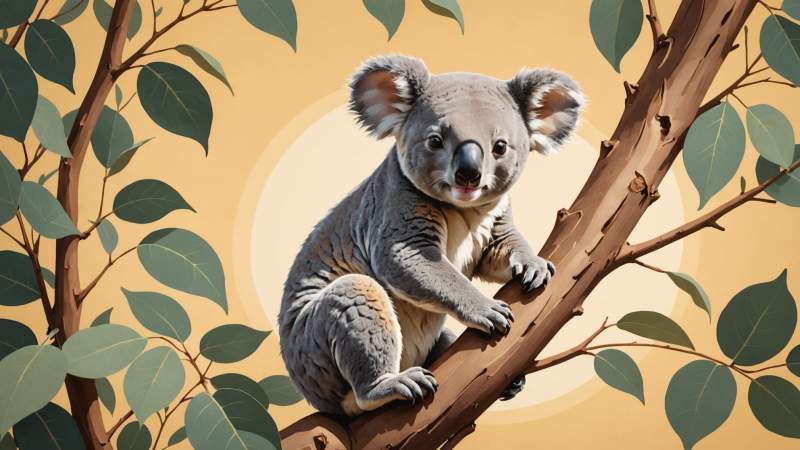
Koalas are arboreal herbivorous marsupials found in coastal areas of eastern and southern Australia, including New South Wales, Queensland, South Australia, and Victoria. They primarily feed on the leaves of about 30 species of eucalyptus trees and spend most of their lives in these trees.
The Australian Koala Foundation established Koala Conservation Day in 2008 to promote efforts to safeguard koalas and their habitats. The entire month of September is recognised as Koala Conservation Month, encouraging various activities to support koala preservation.
Date and Symbolism of the Celebration
Koala Conservation Day in Australia is observed annually on the last Friday of September. The entire month of September is designated as Koala Conservation Month, highlighting the ongoing commitment to raising awareness about the species. Established in 2008 by the Australian Koala Foundation, Koala Conservation Day was created to draw public attention to the dangers faced by koalas and the critical importance of preserving their natural habitat. This dedicated day and month serve as symbolic reminders of the need for conservation efforts to ensure the survival of koalas in the wild.
The Role of the Australian Koala Foundation
The Australian Koala Foundation is a non-profit, non-governmental organisation dedicated to the conservation of koalas and their natural habitat. It plays a central role in efforts to protect these iconic animals by raising awareness and supporting conservation initiatives. One meaningful way to celebrate Koala Conservation Day is by supporting the Australian Koala Foundation or other koala conservation organisations through donations. Contributions can be made by purchasing official merchandise or by symbolically adopting a koala. Symbolic adoption involves making a donation in exchange for a certificate and other items, providing supporters with a tangible connection to their contribution. Through these activities, the Australian Koala Foundation fosters community involvement and helps fund vital conservation projects aimed at ensuring the survival of koalas in Australia.
How Koala Conservation Day Is Celebrated
Koala Conservation Day offers various meaningful ways for people to participate and show their support for these iconic Australian animals. One popular way to celebrate is by visiting koalas at local zoos or wildlife parks, providing an opportunity to observe and appreciate them firsthand. Additionally, many choose to deepen their understanding by reading books or watching documentaries dedicated to koalas, which helps raise awareness about their lives and challenges. Fundraising activities are also common, with individuals and groups organising events to collect donations that directly benefit koala conservation efforts. Social media plays a significant role in the celebrations as well; participants often share photos and videos of koalas using the hashtag #SaveTheKoalaDay, helping to spread the message and engage a wider audience in the cause.
Habitat and Biology of Koalas
Koalas are arboreal herbivorous marsupials native to the coastal regions of eastern and southern Australia. Their distribution spans several states, including New South Wales, Queensland, South Australia, and Victoria. As the sole surviving species of the genus Phascolarctos, koalas share their closest living ancestry with wombats. These animals spend the majority of their time in eucalyptus trees, feeding exclusively on the leaves of these trees. However, koalas show a marked preference for only about 30 species out of more than 600 types of eucalyptus.
The leaves of eucalyptus trees contain a high water content, which means koalas rarely need to drink water directly. Larger individuals, however, may require additional water sources to meet their hydration needs. Despite their leafy diet, eucalyptus leaves are not a rich source of energy. Consequently, koalas conserve energy by sleeping or resting for up to 20 hours a day. When awake, they dedicate most of their time to feeding.
Koalas are almost entirely arboreal, descending to the ground only when moving between trees. They are generally asocial creatures, with minimal interaction between individuals except for the bond between mothers and their young, which are known as joeys. This solitary lifestyle and specialised habitat use are key aspects of their biology and ecology.
Threats and Status of Koalas
Koalas are currently classified as a vulnerable species on the International Union for Conservation of Nature (IUCN) Red List of Threatened Species. The primary threat facing koalas is the destruction and fragmentation of their habitat, largely driven by urbanisation and land clearing. This loss of suitable living areas severely impacts their ability to survive and reproduce. In addition to habitat loss, koalas face other significant dangers including attacks by domestic dogs, collisions with vehicles, as well as the effects of bushfires, droughts, and climate change. A 2020 study highlighted the urgency of the situation, warning that without immediate and effective conservation measures, koalas could become extinct in New South Wales by 2050. These combined threats underscore the critical need for ongoing efforts to protect and preserve koala populations across Australia.
Consequences of the 2019-2020 Bushfires
The 2019-2020 bushfires in Australia had devastating effects on koala populations and their habitats. More than one million hectares of land were destroyed in the Blue Mountains National Park alone. These fires resulted in the deaths of approximately 10,000 koalas across the country. On Kangaroo Island in South Australia, the impact was even more severe, with at least 25,000 koalas perishing during the same period. In response to this crisis, several organisations undertook efforts to rescue and rehabilitate injured koalas. Taronga Zoo in Sydney played a significant role by caring for koalas saved from the Kanangra-Boyd National Park. Similarly, Zoos Victoria evacuated and treated koalas injured in the fire zones. Notably, a dog named Bear became a remarkable figure in these rescue operations, credited with saving over 100 koalas during the bushfires. These combined efforts highlight the urgent need for coordinated wildlife rescue and rehabilitation in the aftermath of such catastrophic events.