World Wildlife Day and Global Wildlife Conservation Efforts
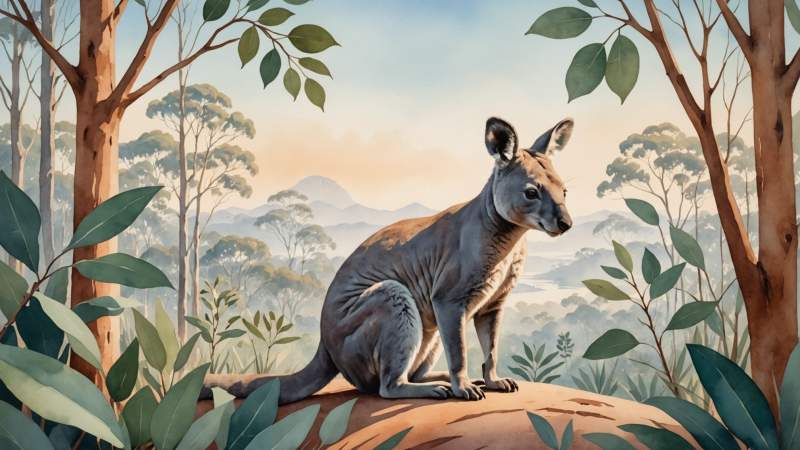
World Wildlife Day is observed annually on 3 March to promote awareness of the importance of wild animals and plants. This date marks the adoption of the Convention on International Trade in Endangered Species of Wild Fauna and Flora (CITES) in 1973.
The United Nations General Assembly proclaimed World Wildlife Day in 2013 following an initiative by CITES parties. The convention regulates international trade to protect species threatened with extinction and currently includes 185 member countries.
The day serves as a reminder of the critical role wildlife plays in ecological balance and human well-being, emphasising the need to address threats such as habitat loss and illegal wildlife trade.
Date and Establishment of the Celebration
The United Nations General Assembly officially proclaimed 3 March as World Wildlife Day through resolution A/RES/68/205 on 20 December 2013. This specific date was chosen to commemorate the adoption of the Convention on International Trade in Endangered Species of Wild Fauna and Flora (CITES), which was signed on 3 March 1973. The initiative to establish World Wildlife Day originated from participants of the CITES Conference of the Parties held in Thailand in the spring of 2013. This formal recognition by the UN highlights the importance of wildlife conservation and the global commitment to protecting endangered species.
World Wildlife Day in Australia
Australia has been a committed participant in global wildlife conservation efforts since ratifying the Convention on International Trade in Endangered Species of Wild Fauna and Flora (CITES) on 4 July 1976. Under CITES protection, the country safeguards over 200 native mammal species, including iconic animals such as the quokka and the Tasmanian devil. Each year, the Australian Department of Agriculture, Water and the Environment organises events to mark World Wildlife Day on 3 March, highlighting the nation’s dedication to preserving its unique biodiversity. In 2023, Australia focused on the theme “Marine Life, Marine Species and Marine Ecosystems,” with activities centred around protecting the Great Barrier Reef, one of the world’s most significant marine habitats. Additionally, the Australian Conservation Union plays a vital role by conducting annual campaigns against poaching, reinforcing the country’s commitment to enforcing CITES regulations and combating illegal wildlife trade.
Objectives and Significance of the Celebration
The primary objective of World Wildlife Day is to raise public awareness about wild fauna and flora. This day serves as a reminder of the urgent need to strengthen efforts against wildlife crimes, which carry significant economic, ecological, and social consequences. Each year, activities organised for World Wildlife Day focus on a specific environmental theme, highlighting various aspects of wildlife conservation. Wild nature holds immense value across multiple dimensions, including ecological, genetic, social, economic, scientific, educational, cultural, recreational, and aesthetic aspects, all of which contribute to sustainable development.
CITES Convention and International Cooperation
The Convention on International Trade in Endangered Species of Wild Fauna and Flora (CITES) plays a crucial role in regulating the international trade of wildlife species that face the threat of extinction. Participation in CITES is voluntary; however, countries that have signed the convention are legally bound to adhere to its provisions. As of the time of this article’s publication, 185 countries are parties to the convention, demonstrating a broad international commitment to wildlife conservation. CITES protects approximately 6,600 animal species and 34,300 plant species, which are categorised into three Appendices based on the level of threat to their survival. This classification system helps to prioritise conservation efforts and regulate trade accordingly, ensuring that international cooperation effectively contributes to the preservation of vulnerable species worldwide.
Threats to Biodiversity and Causes of Species Extinction
Biodiversity is facing unprecedented threats, with significant implications for ecosystems worldwide. According to estimates by the Intergovernmental Science-Policy Platform on Biodiversity and Ecosystem Services (IPBES), up to one-tenth of all existing plant and animal species may disappear in the coming decades. Currently, more than one million animal species are considered to be under threat of extinction. Approximately a quarter of all species face the risk of dying out, largely due to the destruction of nearly half of the planet’s ecosystems. The primary driver behind this loss of biodiversity is human activity. Among the groups of species at risk are diverse organisms such as cacti, marine algae, giraffes, parrots, and oaks. These alarming trends highlight the urgent need to address the factors contributing to species decline and ecosystem degradation.
The Importance of Wildlife for Humans
Wildlife plays a crucial role in sustaining billions of people worldwide, who depend on approximately 50,000 wild species of flora and fauna to meet their essential needs. These species provide a diverse range of resources that are fundamental to human survival and well-being. People rely on wildlife and biodiversity-based resources for food, fuel, medicine, shelter, and clothing, highlighting the integral connection between natural ecosystems and human livelihoods. Notably, one in every five individuals globally derives both income and nourishment directly from wild species, underscoring the economic and nutritional significance of wildlife. Additionally, around 2.4 billion people depend on wood fuel, sourced from wild forests, for cooking, which further illustrates the vital role of wildlife in daily life. This dependence on wildlife resources reflects the deep interdependence between human societies and the natural world.