World Marine Mammal Protection Day and Conservation Efforts
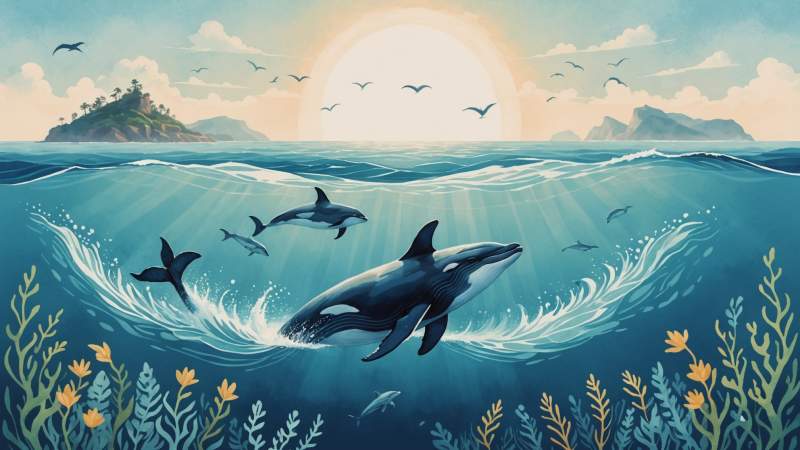
World Marine Mammal Protection Day is observed annually on 19 February to promote the conservation of whales and other marine mammals. This day was established in 1986 following the introduction of a global moratorium on commercial whaling by the International Whaling Commission.
The moratorium prohibits hunting and trading whale meat worldwide, with exceptions only for indigenous communities and scientific research under special permits. The day serves to highlight the ongoing threats to marine mammals, including habitat destruction, pollution, and illegal hunting.
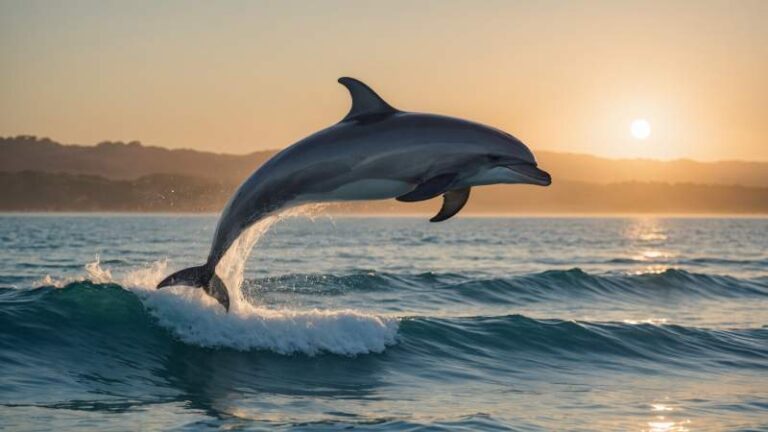
Marine mammals, including whales, dolphins, and porpoises, play a crucial role in ocean ecosystems. Their protection is essential for maintaining biological balance and the health of marine environments.
Date and Establishment of the Celebration
World Marine Mammal Protection Day, also known as World Whale Day, is observed annually on 19 February. This day was established in 1986, coinciding with the introduction of a moratorium on commercial whaling by the International Whaling Commission. The creation of this observance marked a significant milestone in global efforts to protect marine mammals, highlighting the importance of conservation measures initiated during that period.
Protection of Marine Mammals in Australia
Australia has played a significant role in the protection of marine mammals, being a member of the International Whaling Commission since 1948. The Australian government has taken a firm stance against Japan’s whaling activities in the Antarctic, with a landmark 2014 ruling by an Australian court declaring Japan’s Antarctic whaling program to be commercial hunting rather than scientific research. Domestically, Australia has prohibited recreational hunting of whales and dolphins since 1979, reflecting its commitment to marine mammal conservation. In addition to legal measures, Australia promotes public awareness and appreciation of these species through annual Whale Festivals held in New South Wales and Western Australia. Conservation efforts also include the establishment of protected areas such as the Great Australian Bight Marine Park, created in 2018 specifically to safeguard blue whales. Complementing governmental actions, organisations like Sea Shepherd Australia actively campaign to rescue whales entangled in fishing nets along the Australian coastline, further contributing to the protection and preservation of marine mammals in Australian waters.
History and Biology of Marine Mammals
Marine mammals have inhabited the oceans long before the appearance of humans. Paleontological discoveries confirm the existence of whales and seals as far back as 26 million years ago. Among these marine mammals, cetaceans form a distinct order that includes whales, dolphins, and porpoises. These animals are air-breathing, relying on lungs, and are warm-blooded, nursing their young with milk. The blue whale stands out as the largest creature on Earth, reaching weights of up to 200 tonnes and lengths of up to 33 metres. Historically, whales have provided humans with valuable resources such as baleen, spermaceti, whale oil, and bone meal. The study of whales has also attracted significant interest from the medical community. Additionally, there is a dedicated World Day for Whales and Dolphins, highlighting the importance of these species within the broader category of marine mammals.
Causes and Consequences of Threats to Marine Mammals
Marine mammals have faced intense exploitation for over two centuries, leading to a significant decline in their populations. Many species are now on the brink of extinction, highlighting the severity of the threats they encounter. According to estimates by the Whale Protection Foundation, up to 1,600 whales die annually, underscoring the ongoing risks despite conservation efforts. Human activities are a primary factor negatively impacting marine mammals. Fishing gear poses a considerable threat, often entangling animals and causing injury or death. Additionally, ocean pollution, particularly from petroleum products, contaminates their habitats and affects their health. The expansion of marine construction and the increase in industrial underwater noise further exacerbate these challenges, disrupting natural behaviours and communication among marine mammals. There are also documented instances of whales being shot for entertainment purposes, reflecting a disturbing disregard for their protection. Despite international moratoriums and prohibitions, whale killings persist, undermining conservation progress. The decline in whale populations disrupts the biological balance within marine ecosystems, as whales serve as key indicators of ocean health and occupy vital positions in marine food chains. Their loss threatens the stability and functionality of these complex systems.
International Measures and Public Support
International efforts to protect marine mammals are anchored by a global moratorium that prohibits whaling and the trade of whale meat worldwide. Exceptions to this ban are strictly limited to the needs of indigenous populations and scientific research, both requiring special permits. The World Marine Mammal Protection Day aims to raise awareness about the conservation of marine mammals, of which 119 species remain today. Public engagement plays a crucial role in these conservation efforts, with many countries hosting enthusiast clubs dedicated to these animals and establishing marine reserves to safeguard their habitats. Continuous scientific research and monitoring are conducted to better understand and protect marine mammal populations. On this day, environmental organisations organise campaigns focused on the protection of whales and other marine mammals. These activities often highlight the plight of specific species facing imminent threats, thereby fostering targeted conservation actions.