World Sparrow Day and Urban Bird Conservation Awareness
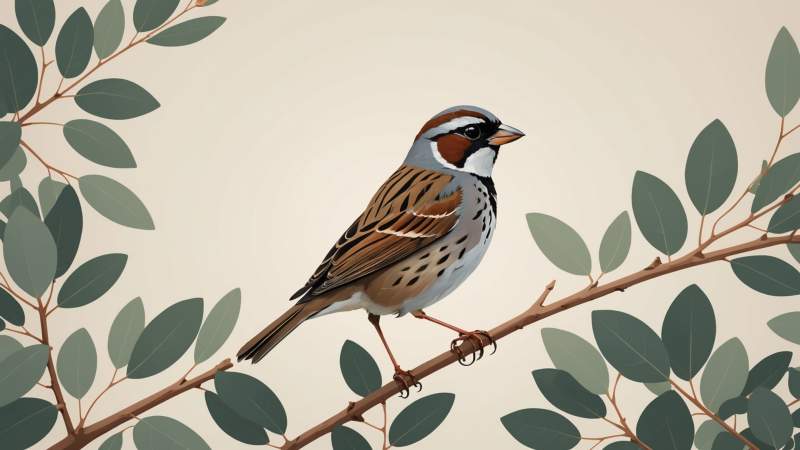
World Sparrow Day is celebrated every year on 20 March to raise awareness about the conservation of sparrows and other common urban birds. The initiative was started by the Nature Forever Society of India in collaboration with Eco-Sys Action from France and other organisations.
The day aims to unite people worldwide to focus on the challenges faced by house sparrows, including habitat loss, pesticide use, and food scarcity. It also serves as a platform for ornithologists and bird enthusiasts to exchange ideas and promote bird protection.
House sparrows, introduced to various regions including Australia in 1863, are now among the most widespread urban birds. Despite their prevalence, their populations are declining in some areas, making conservation efforts increasingly important.
Date and Purpose of the Celebration
World Sparrow Day is observed annually on 20 March. This day is dedicated to raising awareness about the protection of sparrows. The primary purpose of the celebration is to provide a point of connection for people around the world to unite and increase their understanding of sparrow conservation. The event was established not only to highlight the importance of sparrows but also to appreciate the beauty of other common birds.
Features of the Celebration in Australia
In Australia, the house sparrow was introduced from Europe in 1863 with the intention of controlling insect pests. However, over time, this species has become recognised as an invasive bird and is listed among the 20 most dangerous invasive bird species in the country. The presence of house sparrows in Australia has led to competition with native bird species for food resources and nesting sites. These ecological dynamics influence how World Sparrow Day is observed in Australia, highlighting the complex relationship between introduced species and native wildlife within urban environments.
History and Initiators of the Celebration
The initiative to establish World Sparrow Day was launched by the Nature Forever Society from India in collaboration with the Eco-Sys Action Foundation from France and other organisations. The Nature Forever Society was founded by Mohammed Dilawar, who began a campaign focused on the special care of the house sparrow in Nashik. The idea to formalise this campaign into an official observance emerged during an informal discussion at the Nature Forever Society’s office. The first World Sparrow Day was celebrated globally in 2010, marking a significant milestone in raising awareness about sparrow conservation. In recognition of his environmental efforts, Mohammed Dilawar was named one of the “Environmental Heroes” in 2008. Furthering their commitment, the Nature Forever Society established the first Sparrow Awards in March 2011 to encourage and acknowledge contributions to environmental protection.
Ecological Significance and Challenges of Sparrows
House sparrows are a common sight in urban green spaces and residential yards, where they have adapted to city life. Unlike many bird species, house sparrows do not migrate; however, urban flocks have traditionally moved to rural areas to feed on grain fields. During hot summers, these sparrows require access to shade and water to survive the heat. Despite being the most widespread urban bird species globally, house sparrows face significant threats that have led to their decline. Factors such as noise pollution, the lack of suitable nesting sites, the use of pesticides, and food shortages have pushed house sparrows to the brink of disappearance in some regions. This decline is notably evident in the United Kingdom, where sparrow populations have decreased in recent years. Understanding these ecological challenges is crucial for the conservation of house sparrows within urban environments.
World Sparrow Day: Events and Symbolism
World Sparrow Day is marked by a variety of campaigns, events, and activities designed to encourage public participation in nature conservation efforts. This day serves as a vital platform for ornithologists and bird advocates to exchange ideas and collaborate on initiatives aimed at protecting sparrows and their habitats. In 2019, the theme of World Sparrow Day was “I Love Sparrows,” highlighting the affection and commitment people have towards these birds. The sparrow itself is a powerful symbol representing simplicity, creativity, community, strength, and empowerment, embodying the values that the day seeks to promote through its observances and outreach.
Interesting Facts About Sparrows and Birds
The house sparrow, a familiar bird species, was introduced in 1863 to various parts of the world including America, regions of Africa, Australia, and New Zealand. This introduction has contributed to the widespread presence of sparrows beyond their native habitats. In the broader context of avian intelligence, studies have identified parrots and crows, members of the corvid family, as some of the most intelligent bird species. These findings highlight the remarkable cognitive abilities found within certain bird groups, contrasting with the more common perception of sparrows. Together, these facts provide insight into the diversity and adaptability of bird species, underscoring the significance of understanding their characteristics in relation to global bird populations.