
• World Vegetarian Day

    World Vegetarian Day is celebrated annually on 1 October to promote the benefits of vegetarianism for health, ethics, and the environment. Established in 1977 by the North American Vegetarian Society and supported by the International Vegetarian Union since 1978, the day marks the start of Vegetarian Awareness Month. Vegetarianism excludes animal products and has historical roots in ancient Asian religious traditions. Various vegetarian practices exist globally, and the day is observed with events such as discussions, cooking demonstrations, and festivals.

  • International Day of Nonviolence

    The International Day of Nonviolence, observed on 2 October, marks the birthday of Mahatma Gandhi, a key figure in peaceful resistance. Established by the United Nations in 2007, the day highlights Gandhi’s influence on global nonviolent protests and civil rights movements. It recognises nonviolent actions such as protests, marches, and sit-ins as effective tools for social change. In Australia, the day is integrated into educational programs and supported by organisations promoting nonviolent conflict resolution and human rights.

  • International Social Pedagogue Day

    International Social Pedagogue Day is observed annually on 2 October to acknowledge the importance of social educators. Established following the 17th International Conference of Social Pedagogues in 2009, the day emphasises the profession’s impact on society. Social pedagogy focuses on upbringing within socialisation, addressing environmental influences on personality development. Social educators support diverse groups, including vulnerable children, migrants, and refugees, promoting integration and protection of rights. Various countries hold conferences, seminars, and workshops to discuss social pedagogy themes and professional development.

  • Global Smoothie Day

    Global Smoothie Day is observed annually on 3 October and was established in 2015 by health innovator and toxicologist Rhea Mehta. Smoothies are thick, creamy beverages made by blending various ingredients, often including fruits, vegetables, and protein sources. They can serve as a meal replacement or dietary supplement, providing vitamins, fibre, and protein. The day encourages people to learn about smoothies’ health benefits and to enjoy them in various ways.

  • World Animal Protection Day

    World Animal Protection Day is observed annually on 4 October to raise awareness about the care and protection of animals worldwide. Established in 1931 during an international nature conservation congress in Florence, Italy, the day honours Saint Francis of Assisi, the patron saint of animals. It highlights the importance of respecting all living creatures, including domestic, wild, and endangered species, and emphasises the role of animals in maintaining ecological balance. Various activities such as seminars, exhibitions, and advocacy events are held to promote compassion and legislative improvements for animal welfare.

  • James Bond Day

    James Bond Day is an annual event held on 5 October to celebrate the iconic fictional spy and the film franchise. The day marks the release of the first Eon Productions Bond film, Doctor No, in 1962. Created by Ian Fleming, the character has appeared in numerous novels and 25 films produced mainly by Eon Productions. The franchise has won six Academy Awards, including three for original songs. Fans worldwide, including in Australia, observe the day with film screenings, themed events, and special releases.

  • World Bullying Prevention Day

    World Bullying Prevention Day, also called Blue Shirt Day, is observed annually on the first Monday of October. Established by STOMP Out Bullying, a leading US organisation, it aims to raise awareness about bullying and cyberbullying. Bullying involves repeated aggressive behaviour with a power imbalance, often affecting children and adolescents. The day encourages wearing blue shirts as a symbol of peace and solidarity against bullying. Various initiatives worldwide, including in Australia, support anti-bullying education and policies.

  • World Teachers' Day

    World Teachers’ Day is observed annually on 5 October to acknowledge the vital role of teachers worldwide. Established by UNESCO in 1994, the day commemorates the 1966 Recommendation concerning the Status of Teachers, the first international document defining teachers’ working conditions. Supported by Education International and other global organisations, the day promotes awareness of teachers’ contributions and advocates for the implementation of international standards. In Australia, World Teachers’ Day is celebrated on the last Friday of October, coordinated by the Australian Institute for Teaching and School Leadership.

  • King's Birthday Queensland

    The Official King’s Birthday in Queensland is a public holiday observed on the first Monday of October. This date differs from most Australian states, which celebrate it on the second Monday of June. The tradition of marking the monarch’s birthday began in 1748 in Britain and was introduced to Australia in 1788. Queensland shifted the holiday to October in 2015 to avoid proximity to Queensland Day and to benefit from more favourable spring weather. The day is a public holiday with closures of schools, government offices, and most businesses.

  • World Cotton Day

    World Cotton Day is observed on 7 October to recognise the importance of cotton in clothing, textiles, and economic development. Originating from West African countries, the day was officially proclaimed by the UN in 2021. Cotton supports millions of livelihoods and links agriculture, industry, and trade worldwide. Australia plays a significant role as an exporter, employing sustainable practices and advanced technologies. Challenges include environmental impacts and limited local processing in producing countries.

  • World Post Day

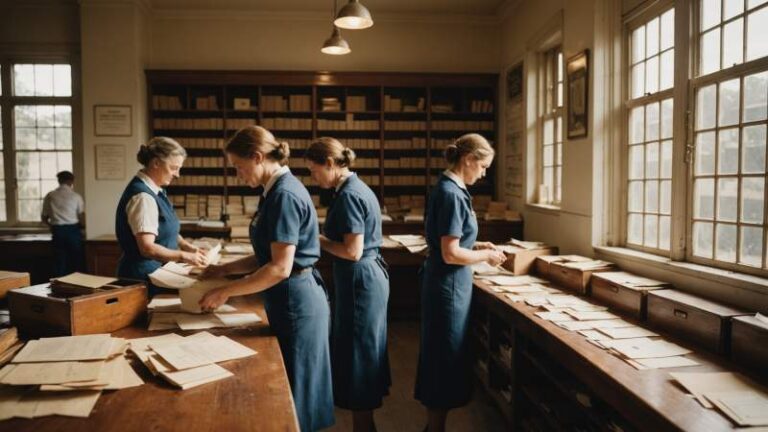
    World Post Day is celebrated every year on 9 October to mark the establishment of the Universal Postal Union (UPU) in 1874. The day was officially designated in 1969 by the UPU Congress in Tokyo. The UPU was founded through an international postal convention in Bern, with 21 countries initially joining. Australia has been a member since 1907 and actively participates in UPU activities. The day also features an international letter-writing competition for children and highlights the ongoing importance of postal services despite technological advances.

  • International Day of the Girl

    The International Day of the Girl is observed annually on 11 October to focus on the rights and equal opportunities of girls worldwide. Established by the United Nations General Assembly in 2011, the day emphasises education, safety, and participation in society. It addresses challenges such as discrimination, child marriage, and barriers to education. Various initiatives and events promote awareness and support for girls’ empowerment and well-being globally.

  • Freedom of Thought Day

    Freedom of Thought Day is observed annually on 12 October to honour the human right to freely express thoughts and beliefs. Originating from a 1692 letter by Massachusetts Governor William Phips opposing the Salem witch trials, the day emphasises respect for diverse worldviews and the protection of freedom of expression. It promotes critical thinking, dialogue, and peaceful interaction regardless of religious or ideological differences. In Australia, the day is supported by human rights organisations and educational institutions through lectures, forums, and debates.

  • Chastity Day

    Chastity Day is observed annually on 13 October in Australia as a reminder of moral and spiritual values. The day emphasises physical abstinence, spiritual purity, and respect for oneself and partners. Rooted in ancient traditions, chastity involves responsibility for one’s actions and fidelity within marriage. Symbols such as the unicorn and lotus flower represent purity and innocence. Although not officially recognised, the day encourages reflection on self-improvement and strengthening relationships.

  • Bald and Free Day

    Bald and Free Day, observed on 14 October, celebrates bald individuals and promotes confidence in baldness. The tradition of head shaving dates back to the Stone Age, with ancient Egyptians and Romans practising it for climate and ritual reasons. The day was founded by Thomas and Ruth Roy, founders of Wellcat Herbs, to support baldness awareness. In Australia, the day is linked to cancer support events like the World’s Greatest Shave. Baldness has cultural, historical, and social significance, with many viewing it as a symbol of strength and confidence.

  • White Cane Safety Day

    International White Cane Safety Day is observed globally on 15 October to raise awareness about people with vision impairments and promote their inclusion. The white cane, originating in 1921 in Bristol, serves as a symbol and mobility tool for blind individuals. This day encourages public understanding, tolerance, and equal rights for those with vision loss. In Australia, organisations like Vision Australia and Guide Dogs Australia hold events to educate and support the community. The day also highlights the importance of accessible environments and rehabilitation services.

  • Fiano Day

    Fiano Day is observed on the third Friday of October to celebrate the Fiano grape and its wines. Originating from southern Italy, Fiano is primarily cultivated in Campania and Sicily, with significant plantings in Australia, especially in McLaren Vale and Hunter Valley. The grape is known for its small berries, thick skins, and low yield, producing wines with intense aromas and flavours including pear, honey, and nutty notes. The day was established by Oliver’s Taranga winery in McLaren Vale, led by Corrina Wright, a prominent figure in Fiano winemaking.

  • World Bread Day

    World Bread Day is celebrated annually on 16 October, initiated by the International Union of Bakers and Confectioners. The day recognises bread as a vital food staple with deep historical roots dating back to the Neolithic era. It honours the diversity of bread-making traditions worldwide and its symbolic importance in various cultures and religions. The date coincides with the anniversary of the United Nations Food and Agriculture Organization’s establishment, highlighting efforts to combat hunger globally. In Australia, the day emphasises traditional damper bread and sustainable wheat farming practices.

  • World Food Day

    World Food Day is observed every year on 16 October to raise awareness about global hunger and food insecurity. Established in 1979, the day commemorates the founding of the Food and Agriculture Organization (FAO) of the United Nations on 16 October 1945. The FAO, with over 190 member states including Australia, focuses on reducing poverty and hunger worldwide through sustainable agricultural development. Annual themes reflect key priorities such as climate change, poverty reduction, and sustainable food systems. In Australia, World Food Day activities involve food banks and community programs aimed at supporting vulnerable populations.

  • Tie Day

    Tie Day is observed every 18 October, celebrating the necktie’s evolution from early neckwear to a key element of fashion and uniform. Originating from the Croatian mercenaries’ scarves at the court of King Louis XIII of France, the necktie gained popularity across Europe, especially in England. Today, it is an essential part of business attire, uniforms, and cultural traditions, notably in Croatia where the day is marked with national events. In Australia, ties remain a standard component of corporate dress codes, school uniforms, and official uniforms in police and military services.

  • International Air Traffic Controllers Day

    International Air Traffic Controllers Day is observed annually on 20 October to recognise the vital role of air traffic controllers and related professionals in managing air traffic. Established in connection with the founding of the International Federation of Air Traffic Controllers Associations (IFATCA) in 1961, the day highlights the importance of safe and orderly aircraft movement. Air traffic controllers ensure passenger safety by preventing collisions, assisting crews in emergencies, and coordinating search and rescue operations. In Australia, Airservices Australia manages air traffic control across the nation, providing training and support to controllers who operate under strict regulations to maintain aviation safety.

  • Bike to Work Day

    Bike to Work Day is an annual event held on the third Wednesday of October in Australia, aimed at encouraging cycling as a mode of transport. Initiated in 1993 by Senator Janet Rice in Melbourne, the event promotes physical activity, reduces traffic congestion, and supports environmental sustainability. Participants enjoy free breakfasts and community activities organised by Bicycle Network. The event highlights the benefits of cycling, including improved cardiovascular health, reduced carbon emissions, and economic savings.

  • Wombat Day

    Wombat Day is an unofficial annual event in Australia held on 22 October since 2005. It celebrates wombats, herbivorous marsupials native exclusively to Australia, known for their burrowing habits and nocturnal feeding. The event raises awareness of wombat species, including the endangered Queensland wombat. Australians observe the day by visiting zoos, wearing wombat-themed clothing, and preparing wombat-shaped baked goods.

  • Crocs Day

    Crocs Day is observed every year on 23 October, marking the birthday of George Bedeker, a co-founder of Crocs. The footwear brand, launched in the early 2000s, is known for its lightweight, breathable plastic shoes originally designed for beach use. Crocs have gained popularity due to their comfort, unique design, and functionality, appealing to people of all ages. The brand collaborates with designers and features decorative collections, while also being widely used by medical workers and chefs for their supportive qualities. In Australia, Crocs are officially sold in Sydney and Melbourne, with events held annually to celebrate the day.

  • Kangaroo Awareness Day

    Kangaroo Awareness Day is dedicated to recognising kangaroos, one of Australia’s most iconic marsupials. Kangaroos belong to the Macropodidae family, which includes several species such as the red kangaroo and eastern grey kangaroo. They are known for their powerful hind legs and long muscular tails, which aid in their unique mode of locomotion—jumping. The day also raises awareness about kangaroo hunting, population control, and the challenges kangaroos face in the wild. This event was initiated by Friends of Mother Earth Incorporated, an organisation focused on wildlife conservation.

  • World Pasta Day

    World Pasta Day is celebrated every year on 25 October, marking the founding congress of pasta producers in Rome in 1995. The day recognises pasta’s global popularity, with over 600 varieties and numerous preparation methods. Originating from ancient China and spreading through Europe, pasta is especially associated with Italy, known as its homeland. Nutritionally, pasta made from durum wheat is valued for its dietary fibre, vitamins, and minerals. The celebration promotes pasta appreciation worldwide, including in Australia where events and culinary activities are common.

  • Day of Pleasant Surprises

    The Day of Pleasant Surprises is observed on 26 October and centres on performing kind acts without prior reason, including for acquaintances. Traditions include giving breakfast in bed, sending messages, and offering help to others. Such positive actions are believed to return benefits to the giver and contribute to improved health and mood. This day complements other kindness-related observances worldwide and aligns with Australian kindness initiatives promoting friendliness and community connection.

  • Minced Meat Day

    Minced Meat Day is observed on 26 October and honours a traditional recipe over 500 years old. The original mince combined meat, chopped fruits, and distilled alcohol, seasoned with nutmeg and cinnamon. Historically used as pie filling, minced meat became a staple in Europe and is especially popular in Australia, the USA, and South Africa. The dish evolved over centuries, with variations including meatless versions and the addition of dried fruits. Minced Meat Day is widely celebrated, particularly during festive seasons.

  • Teddy Bear Day

    International Teddy Bear Day is observed on 27 October or 19 November depending on the country. The day celebrates friendship, warmth, and kindness, inspired by the creation of the teddy bear in the early 20th century. The toy’s origins trace back to Rose and Morris Michtom in the United States and Margarete Steiff in Germany. Teddy bears have become popular worldwide, cherished by both children and adults, and remain a beloved soft toy in the 21st century.

  • Children's Day Australia

    Children’s Day in Australia is observed annually on the fourth Wednesday of October and forms part of Children’s Week, the nation’s primary event dedicated to children’s rights. Established in 1985 by the Australian government, the day promotes the protection and improvement of children’s living conditions. The United Nations originally designated 20 November as Universal Children’s Day, but Australia chose to celebrate in October. Children’s Week spans from the Saturday before to the Sunday after Children’s Day, featuring activities aligned with the ongoing theme ‘A Caring World Shares’.


  • World Ultrasound Physician Day

    World Ultrasound Physician Day is observed annually on 29 October to acknowledge the professionalism and dedication of ultrasound diagnostic doctors. The celebration originated in the early 2000s, recognising the critical role of ultrasound in modern medicine. Since the first ultrasound device appeared in 1958, this non-invasive method has become essential for early disease detection and monitoring. In Australia, ultrasound diagnostics are regulated by professional bodies and integrated into national healthcare programs, ensuring high standards and accessibility.

  • Bandana Day

    Bandana Day is observed annually on the last Friday of October to support individuals living with cancer. The day highlights the use of bandanas by patients experiencing hair loss due to chemotherapy and other treatments. Originating from South Asia and popularised in the West, bandanas have become a symbol of comfort and identity for many. The Australian charity CanTeen organises Bandana Day to raise awareness and provide support for young people aged 12 to 24 living with cancer. The event emphasises the psychological and social impact of hair loss and promotes the bandana as a protective and uplifting accessory.

  • World Teachers' Day Australia

    World Teachers’ Day in Australia is observed annually on the last Friday of October, except when it coincides with Halloween, in which case it is moved to early November. Established globally by UNESCO in 1994, the Australian date was chosen to avoid school holidays. The day features various school events, award ceremonies for education excellence, and the Hats Off to Teachers campaign symbolising respect for educators. The government promotes teacher scholarships and encourages participation from educators, parents, and the community.

  • Halloween

    Halloween is celebrated annually on 31 October and has origins in ancient Celtic, Roman, and early Christian customs. The festival marks the eve of All Saints’ Day and includes traditions such as wearing costumes and apple bobbing. In Australia, Halloween is widely observed as a secular event, especially among families with children who participate in trick-or-treating. Retailers promote themed products, and community events often feature traditional decorations and activities. Despite its popularity, some groups in Australia critique Halloween as a commercial import unrelated to local culture.