World Pasta Day: History, Varieties, and Cultural Significance
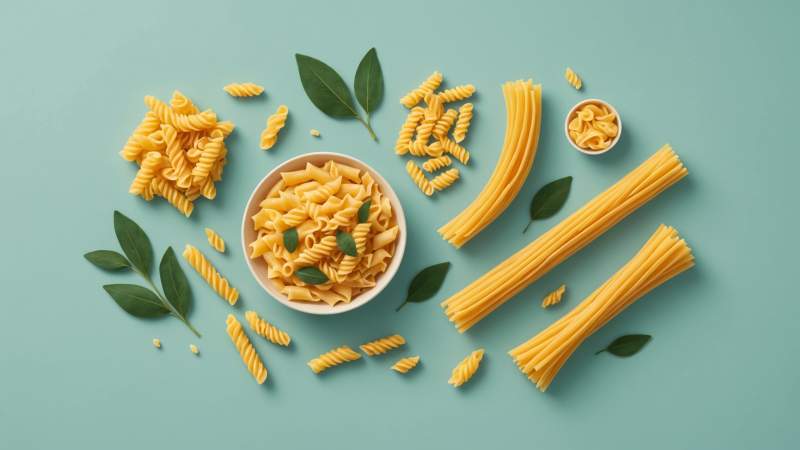
World Pasta Day is observed annually on 25 October, commemorating the establishment of the International Pasta Organisation during a congress in Rome in 1995. This date was chosen to honour the inaugural meeting of pasta producers.
Pasta, a staple food made from dough typically consisting of wheat flour and water, is enjoyed globally in more than 600 different shapes and forms. Its origins trace back to ancient China and possibly the Etruscan period in Italy, with further influence from Arab culture in Europe.
The day serves to unite pasta enthusiasts and highlight the diversity, nutritional benefits, and cultural importance of pasta. In Australia, the celebration includes themed events, tastings, and educational activities reflecting the country’s multicultural culinary landscape.
Date and Establishment of the Celebration
World Pasta Day is celebrated annually on 25 October. This specific date was chosen to coincide with the day of the founding congress, which brought together pasta producers from around the world. The celebration was officially established in 1995, following the initiative of the participants of this congress held in Rome. The event marked a formal recognition of pasta as a significant culinary product and created a dedicated day to honour it globally.
Celebration of the Holiday in Australia
In Australia, World Pasta Day is embraced enthusiastically by lovers of Italian cuisine. Major cities across the country host themed events and pasta tastings to mark the occasion, reflecting the growing appreciation for this staple of Italian gastronomy. Australian restaurants frequently offer special pasta dishes in honour of the day, showcasing a variety of popular types such as spaghetti, penne, and fettuccine. The popularity of home cooking is also on the rise, with an increasing number of Australians participating in pasta-making workshops.
Australia imports a significant portion of its pasta from Italy and other countries, complementing the domestic production of pasta made from durum wheat by local manufacturers. This blend of imported and locally produced pasta supports the steady increase in consumption, driven by the country’s multicultural culinary landscape. Educational institutions, including some schools and culinary colleges, contribute to the celebration by organising lessons focused on pasta preparation.
Media outlets and food bloggers in Australia actively participate in World Pasta Day by publishing recipes and articles dedicated to pasta, further promoting awareness and enjoyment of this versatile food. Overall, the celebration in Australia highlights both cultural appreciation and culinary engagement with pasta, reflecting its established place in the nation’s food culture.
Origin and History of Pasta
Historical evidence suggests that pasta was first invented by the Chinese around the 3rd century BCE, where it was known as lamian. From there, pasta spread to other Asian countries, establishing its early presence across the continent. Regarding its introduction to Europe, there are differing accounts: one theory places the emergence of pasta in the territory of modern Italy during the Etruscan period, while another attributes its arrival to the Arabs, who brought pasta to Andalusia in the 8th century. Italy is widely recognised as the birthplace of pasta in terms of its extensive development and diversification. Italian regions each created their own unique varieties of pasta, contributing to the rich culinary heritage associated with the country. The term “macaroni” has been in use since the 13th century, with a notable document from 1279 preserved in the Spaghetti Museum in Italy mentioning a dish called “macaronis.” The word “spaghetti” entered common usage in 1842, inspired by its resemblance to thin cords or strings, akin to a small rope or “spago” in Italian. This historical trajectory highlights Italy’s central role in shaping the pasta tradition known worldwide today.
Definition and Variety of Pasta
Pasta, also known as macaroni products, consists of dough-based items typically made from wheat flour and water, which are then dried. These products can be produced both industrially and at home, reflecting their widespread accessibility and versatility. Globally, there are more than 600 distinct varieties of pasta, showcasing an impressive range of shapes and forms. Beyond the sheer number of types, pasta can be prepared in dozens of different ways, not accounting for the numerous variations introduced by additional ingredients and sauces. The popularity of pasta is largely attributed to its diversity, ease of preparation, and satisfying nature, making it a staple food in many cultures around the world.
Benefits and Nutritional Properties of Pasta
Pasta made from durum wheat is recognised by nutritionists as a dietary product due to its low glycemic index. This characteristic allows it to provide a prolonged feeling of satiety, making it a favourable choice for those seeking sustained energy release. Such pasta products are rich in dietary fibre, which plays a crucial role in supporting the digestive system. Fibre facilitates the digestion and absorption of food, while also aiding in the cleansing of the gastrointestinal tract by promoting the elimination of waste and toxins.
In addition to fibre, pasta contains essential nutrients such as vitamin B and tryptophan, both of which contribute to metabolic processes and have a positive effect on the nervous system. Vitamin E present in pasta supports skin health and moisture retention, and it is also important for the female reproductive system. Furthermore, iron found in pasta is vital for the proper functioning of the circulatory system and the maintenance of healthy haemoglobin levels.
It is important to note that these beneficial properties are specific to pasta products made from durum wheat and those produced through coarse milling. Such products offer a combination of nutritional advantages that contribute to overall health and well-being.
Pasta Consumption Worldwide
Pasta consumption per capita varies significantly across different countries, reflecting diverse culinary traditions and preferences. Italy stands out as the leading consumer of pasta, with an average annual intake of 23 kilograms per person. This high consumption underscores the central role pasta plays in Italian cuisine and daily life. Following Italy, Tunisia ranks second in pasta consumption, with an average of 17 kilograms per person per year. Germany holds the third position, where the average pasta consumption is approximately 8 kilograms per person annually. These figures highlight the varying degrees of pasta’s popularity and integration into diets around the world.
Purpose and Significance of the Celebration
World Pasta Day is dedicated to uniting pasta enthusiasts from around the globe and promoting the diversity of pasta varieties. The celebration highlights the widespread popularity of pasta as a satisfying, delicious, and nutritious dish enjoyed internationally. By bringing together lovers of this staple food, the event fosters appreciation for the many forms and preparations of pasta, emphasising its role as a versatile and beloved culinary ingredient.