United Nations

  • International Ozone Layer Protection Day

    International Ozone Layer Protection Day is observed annually on 16 September to commemorate the signing of the Montreal Protocol in 1987. This day highlights global efforts to reduce and eliminate substances that deplete the ozone layer, which protects life on Earth from harmful ultraviolet radiation. The United Nations General Assembly established this observance in 1994, encouraging countries to promote awareness and actions aligned with the Protocol’s objectives. Australia actively participates in these efforts through legislation and international commitments.

  • International Day of Peace

    The International Day of Peace is observed annually on 21 September as a day dedicated to strengthening ideals of peace among all nations and peoples. Established by the United Nations General Assembly in 1981, it calls for a global ceasefire and rejection of violence. The day includes educational and community activities worldwide, highlighting themes such as human rights, disarmament, and sustainable development. In Australia, the day is marked by events promoting peace, inclusivity, and social justice. The observance emphasises the importance of equality, non-discrimination, and collective efforts to build a just and peaceful society.

  • International Sign Language Day

    International Sign Language Day is observed annually on 23 September, coinciding with the International Week of the Deaf. The day was proclaimed by the United Nations General Assembly to highlight the importance of sign languages for the human rights of deaf people. It commemorates the founding of the World Federation of the Deaf in 1951, an organisation that advocates for deaf communities globally. Over 70 million deaf individuals use more than 300 different sign languages worldwide, which are linguistically rich and independent from spoken languages. In Australia, Auslan is the recognised national sign language, supported by legislation and educational programs.

  • International Day of the Girl

    The International Day of the Girl is observed annually on 11 October to focus on the rights and equal opportunities of girls worldwide. Established by the United Nations General Assembly in 2011, the day emphasises education, safety, and participation in society. It addresses challenges such as discrimination, child marriage, and barriers to education. Various initiatives and events promote awareness and support for girls’ empowerment and well-being globally.

  • Universal Children's Day

    Universal Children’s Day is celebrated annually on 20 November to promote the welfare and rights of children worldwide. Established by the United Nations General Assembly in 1954, the day encourages solidarity and cooperation among nations. It marks the adoption of the Declaration of the Rights of the Child in 1959 and the Convention on the Rights of the Child in 1989. The observance highlights the vulnerabilities faced by children, including poverty, lack of education, and health challenges. Various organisations and governments, including Australia, participate in activities to support children’s rights and well-being.

  • World AIDS Day

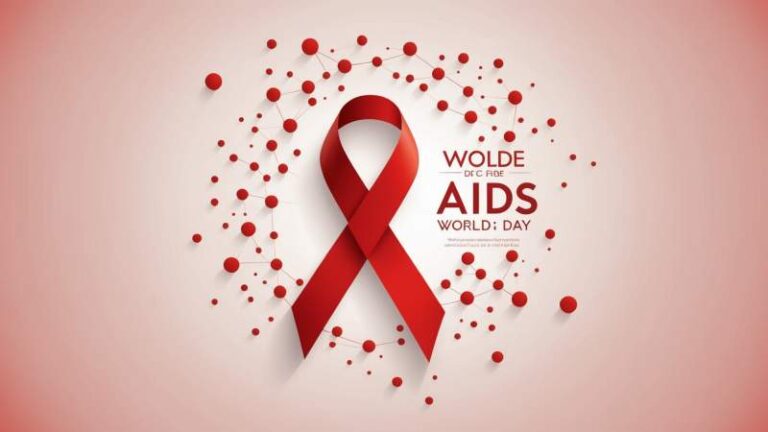
    World AIDS Day is observed every year on 1 December to increase awareness about HIV/AIDS and remember those who have died from the disease. Established in 1988 by the World Health Organization and the UN General Assembly, the day recognises achievements in expanding access to treatment and prevention. The red ribbon symbol, created in 1991, represents solidarity with people living with HIV. UNAIDS, a joint UN programme, supports global efforts in HIV prevention, treatment, and human rights advocacy. In Australia, HIV treatment has been available since 1996, with ongoing national strategies and community events like the Sydney Mardi Gras parade supporting the cause.

  • International Banking Day

    International Banking Day, established by the United Nations General Assembly in 2019, is observed annually on 4 December. The day recognises the significant role of banks in achieving the Sustainable Development Goals by 2030. Banks contribute to poverty reduction, social equality, and environmental sustainability. The UN encourages banks to invest in long-term projects and manage economic risks to support global development. In Australia, initiatives like the Australian Sustainable Finance Roadmap align the financial sector with these global objectives.

  • International Anti-Corruption Day

    International Anti-Corruption Day is observed annually on 9 December, marking the anniversary of the 2003 United Nations Convention against Corruption. This convention, the first of its kind, criminalises bribery, embezzlement, and money laundering, and mandates the return of stolen assets. Corruption is a complex global issue affecting all countries and undermining economic development, governance, and peace. Australia ratified the convention in 2005 and actively participates in related national initiatives.

  • Human Rights Day

    Human Rights Day is observed globally on 10 December, commemorating the adoption of the Universal Declaration of Human Rights by the United Nations General Assembly in 1948. Established officially in 1950, the day encourages states and organisations to promote human rights awareness. The Universal Declaration outlines fundamental political, civil, social, cultural, and economic rights inherent to all individuals. It has been translated into 577 languages and serves as the foundation for various international agreements. The UN Human Rights Prize, awarded every five years on this date, recognises outstanding contributions to human rights.

  • International Migrants Day

    International Migrants Day is observed annually on 18 December to raise awareness about the rights and contributions of migrants worldwide. Established by the United Nations General Assembly in 2000, the day coincides with the adoption of the International Convention on the Protection of the Rights of All Migrant Workers and Members of Their Families in 1990. Migration remains a significant global phenomenon driven by economic, social, and environmental factors. The day promotes information dissemination on migrant rights and encourages international cooperation to ensure safe, orderly, and regular migration. Australia actively participates in migration programs and supports migrant integration through legislation and community initiatives.

  • International Human Solidarity Day

    International Human Solidarity Day is observed annually on 20 December, following a United Nations resolution in 2006. The day highlights the importance of unity, mutual support, and shared responsibility as fundamental human values. It serves as a reminder to governments about their commitments to international agreements and promotes awareness of solidarity as essential for achieving development goals. The day also supports initiatives aimed at eradicating poverty, with backing from the UN Development Programme and the World Solidarity Fund. Various activities worldwide, including in Australia, focus on solidarity with vulnerable populations and advancing global development objectives.

  • International Education Day

    International Education Day is observed annually on 24 January, established by the United Nations General Assembly in 2018. The day emphasises education as a fundamental human right and a crucial element for sustainable development. Each year features a specific theme addressing current educational challenges, such as inclusive learning and digital education. The right to education is enshrined in the Universal Declaration of Human Rights and supported by international conventions. Education is recognised globally as essential for overcoming poverty, achieving gender equality, and realising sustainable development goals.

  • Holocaust Remembrance Day

    International Holocaust Remembrance Day is observed on 27 January, marking the liberation of Auschwitz concentration camp by Soviet forces. Established by the United Nations General Assembly in 2005, the day honours the memory of Holocaust victims, including approximately six million Jews and other persecuted groups. The date commemorates the 60th anniversary of Auschwitz’s liberation, where an estimated 1.1 to 1.6 million people were killed. Various countries observe Holocaust remembrance on different dates linked to significant historical events.

  • International Pulses Day

    International Pulses Day is observed annually on 10 February following a United Nations resolution in 2018. Initiated by Burkina Faso, the day promotes awareness of pulses, which are dry seeds of leguminous plants such as peas, beans, lentils, and chickpeas. Pulses have been cultivated since ancient times and play a vital role in nutrition, agriculture, and environmental sustainability. They are rich in protein, fibre, vitamins, and minerals, contributing to health benefits and food security worldwide. Australia is a significant producer and exporter of pulses, particularly lentils and chickpeas.

  • International Day of Women and Girls in Science

    The International Day of Women and Girls in Science is a United Nations observance held annually on 11 February. It aims to promote gender equality and empower women and girls in science and education. Historically, women faced significant barriers to education and scientific careers, with limited access to higher education and professional recognition. Despite progress, women remain underrepresented in science, technology, engineering, and mathematics fields globally. The day raises awareness of women’s contributions to science and mobilises efforts to eliminate discrimination and ensure equal opportunities.

  • World Social Justice Day

    World Social Justice Day is observed annually on 20 February, following its proclamation by the United Nations General Assembly in 2007. The day highlights the concept of social justice, which involves fair relationships between individuals and society, equitable wealth distribution, and equal opportunities. The philosophy of social justice has roots in the works of Augustine of Hippo and was further developed by political philosopher John Rawls. Rawls’ theory emphasises equal rights, correction of social inequalities, and access to education, healthcare, justice, and housing. The day is recognised globally, including in Australia, where government and non-governmental organisations promote awareness and action on social justice issues.

  • International Mother Language Day

    International Mother Language Day is observed annually on 21 February to promote linguistic and cultural diversity and multilingualism. Established by UNESCO in 1999 and celebrated since 2000, the day honours the events of 21 February 1952 in Dhaka, where students died advocating for the recognition of Bengali as a state language. The observance highlights the importance of preserving endangered languages, with nearly 45% of the world’s approximately 7,000 languages at risk of extinction. Activities focus on fostering respect for all languages and encouraging multilingual education globally.

  • International Women Judges Day

    International Women Judges Day is an annual United Nations observance held on 10 March, established in 2021 to promote gender equality in judicial systems globally. The day recognises the underrepresentation of women in judicial leadership and the importance of gender and racial diversity for fair and inclusive justice. It honours the progress made by women judges who have overcome barriers and highlights the ongoing challenges of gender stereotypes and discrimination. The observance supports the UN Sustainable Development Goal 5, aiming for full participation of women in leadership and decision-making roles within the judiciary.

  • International Day of Sport

    The International Day of Sport for Development and Peace is celebrated annually on 6 April, marking the start of the first modern Olympic Games in Athens in 1896. Established by the United Nations General Assembly in 2013, the day highlights sport’s positive impact on human rights, social and economic development. The initiative is supported by countries including Georgia, Kazakhstan, Romania, Serbia, and Macedonia. The day promotes values such as fair play, teamwork, and respect, and encourages global participation in sporting and educational activities. The International Paralympic Committee also plays a key role in showcasing achievements of athletes with disabilities.

  • UN Chinese Language Day

    United Nations Chinese Language Day is observed annually on 20 April to promote multilingualism and cultural diversity. Established in 2010 alongside other UN language days, it honours Cangjie, the legendary founder of Chinese writing. The date coincides with the start of the ‘Guyu’ season, symbolising agricultural abundance. The day features cultural events such as art exhibitions, lectures, and performances, highlighting the importance of the Chinese language globally and within the UN framework.

  • World Creativity and Innovation Day

    World Creativity and Innovation Day is celebrated annually on 21 April to emphasise the importance of creativity and innovation in achieving sustainable development goals. Established by the UN General Assembly in 2017, the day recognises creativity as a driver of economic growth, social inclusion, and environmental preservation. The date connects to Earth Day and Leonardo da Vinci’s birthday, symbolising the link between creativity, science, and the planet. The event encourages governments, science, education, and business sectors to support creative thinking and innovation worldwide.