
International Pulses Day and Its Global Significance
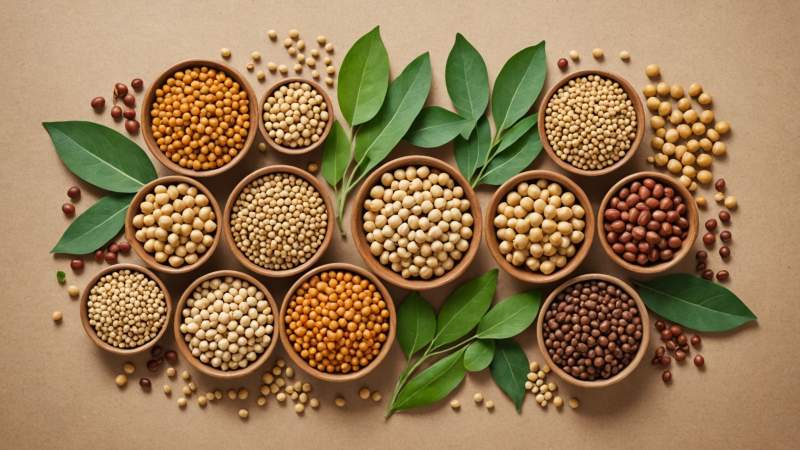
International Pulses Day is celebrated on 10 February as designated by the United Nations General Assembly resolution A/RES/73/251 adopted in December 2018. The initiative to establish this day was proposed by the government of Burkina Faso.
Pulses refer to the dry seeds of leguminous plants that mature within pods, including well-known crops such as peas, beans, lentils, and chickpeas. These crops have been part of human diets and agriculture since ancient times.
The day aims to raise awareness about the nutritional value and environmental benefits of pulses, encouraging improvements in their cultivation and utilisation globally. Australia is a notable producer, especially of lentils and chickpeas, contributing significantly to the global pulse market.
Date and Establishment of the Celebration
International Pulses Day is observed annually on 10 February, following a decision by the United Nations. The day was officially established through the UN General Assembly Resolution A/RES/73/251 in December 2018. The initiative to create this observance was led by the government of the Republic of Burkina Faso. The establishment of an annual day dedicated to pulses was proposed to build upon the success of the activities held during the International Year of Pulses in 2016. Prior to this, in December 2013, the UN General Assembly had declared 2016 as the International Year of Pulses, highlighting the importance of pulses in addressing global challenges. This recognition in 2013 marked a significant step in acknowledging the role of pulses, which ultimately led to the formal institution of International Pulses Day.
Role and Significance in Australia
Lentils stand out as the primary pulse crop cultivated in Australia, with the country producing approximately one million tonnes annually. This substantial production volume underscores the importance of lentils within the Australian agricultural sector. Notably, Australia exports over 90% of its lentil production, highlighting the crop’s significant contribution to the nation’s export economy. In addition to lentils, chickpeas hold a prominent position among pulses grown in Australia. Large chickpea plantations are concentrated in the state of Western Australia, where chickpeas rank as the second most produced pulse crop. Together, lentils and chickpeas form the backbone of Australia’s pulse industry, reflecting the country’s vital role in the global pulses market.
Definition and Classification of Pulses
Pulses are defined as the dry seeds of leguminous plants, specifically those whose fruits mature within pods. This classification distinguishes pulses from other legume crops based on the maturity and usage of their seeds. Well-known pulse crops include peas, beans, lentils, and chickpeas. It is important to note that crops harvested while still green are not considered pulses; instead, they fall under the category of vegetables. Additionally, certain leguminous plants are excluded from the pulse classification due to their primary use. For example, crops such as soybeans and peanuts, which are mainly cultivated for the extraction of vegetable oil, are not classified as pulses. Similarly, legume species whose seeds are used exclusively for sowing purposes do not fall within the pulse category. This precise definition and classification help in distinguishing pulses from other leguminous crops based on their botanical characteristics and intended use.
Historical and Cultural Context
Pulses have been an integral part of human diets since ancient times, cultivated and consumed across the Old World. Their longstanding presence in agriculture and cuisine highlights their importance in sustaining populations throughout history. Globally, pulses feature prominently in traditional dishes, reflecting diverse culinary heritages. For example, Mediterranean cuisine includes hummus made from chickpeas, a staple that showcases the versatility of pulses. In the United Kingdom, stewed beans are a key component of the full English breakfast, illustrating pulses’ role in hearty, everyday meals. Indian cuisine offers dal, a dish prepared from peas or lentils, which is central to many regional diets. These examples underscore the cultural significance of pulses as foundational ingredients in various food traditions worldwide.
Nutritional Value and Health Benefits
Pulses are recognised for their high nutritional value and play a significant role in addressing hunger issues worldwide. Incorporating pulses into the diet has a positive impact on human health due to their rich composition. They are an excellent source of protein, which allows them to serve as a substitute for animal proteins found in meat and dairy products. This makes pulses particularly valuable for those seeking plant-based protein alternatives. Additionally, pulses contain soluble fibre, essential amino acids, vitamins, and trace elements that contribute to the regulation of digestive processes. Their consumption is also associated with combating obesity, highlighting their importance in maintaining a healthy weight and overall well-being.
Environmental and Agricultural Benefits
Pulses offer significant environmental and agricultural advantages that contribute to sustainable farming practices. One of their key benefits is their positive impact on soil fertility. By fixing nitrogen in the soil, pulses enhance nutrient availability, reducing the need for synthetic fertilisers. This natural enrichment supports healthier crop growth and improves overall soil quality.
Additionally, pulses are well adapted to grow in dry climates, making them valuable crops in regions prone to drought. Their resilience under such conditions helps maintain agricultural productivity where water resources are limited. Incorporating pulses into crop rotations further promotes biodiversity by increasing the variety of plant species cultivated. This diversification enriches habitats for various animals and insects, fostering a more balanced and resilient ecosystem.
Moreover, pulses possess excellent storage qualities, which aid in reducing post-harvest losses and ensuring food availability over extended periods. These combined environmental and agricultural benefits underscore the importance of pulses in advancing sustainable agriculture and supporting ecological balance.
UN Goals and Appeals
The primary objective of International Pulses Day is to raise awareness about the benefits of pulses. This global observance serves as a platform to disseminate information highlighting the importance of these crops. In line with this goal, the United Nations calls upon agricultural producers, the scientific community, and businesses to enhance the cultivation of pulses and improve their yields. These appeals aim to encourage advancements in agricultural practices and innovation to support the sustainable production of pulses worldwide.