
Culture

  • Hobbit Day

    Hobbit Day is an unofficial celebration held annually on 22 September to mark the birthdays of Bilbo and Frodo Baggins, characters from J.R.R. Tolkien’s works. Originating in 1978 through the American Tolkien Society, the event features costume picnics, games, and cultural activities. The date is based on Tolkien’s fictional calendar, leading to some debate among fans about the exact timing. In Australia, Hobbit Day is celebrated with outdoor gatherings in national parks, costume readings, and themed festivities reflecting the spirit of the Shire.

  • James Bond Day

    James Bond Day is an annual event held on 5 October to celebrate the iconic fictional spy and the film franchise. The day marks the release of the first Eon Productions Bond film, Doctor No, in 1962. Created by Ian Fleming, the character has appeared in numerous novels and 25 films produced mainly by Eon Productions. The franchise has won six Academy Awards, including three for original songs. Fans worldwide, including in Australia, observe the day with film screenings, themed events, and special releases.

  • Tie Day

    Tie Day is observed every 18 October, celebrating the necktie’s evolution from early neckwear to a key element of fashion and uniform. Originating from the Croatian mercenaries’ scarves at the court of King Louis XIII of France, the necktie gained popularity across Europe, especially in England. Today, it is an essential part of business attire, uniforms, and cultural traditions, notably in Croatia where the day is marked with national events. In Australia, ties remain a standard component of corporate dress codes, school uniforms, and official uniforms in police and military services.

  • Teddy Bear Day

    International Teddy Bear Day is observed on 27 October or 19 November depending on the country. The day celebrates friendship, warmth, and kindness, inspired by the creation of the teddy bear in the early 20th century. The toy’s origins trace back to Rose and Morris Michtom in the United States and Margarete Steiff in Germany. Teddy bears have become popular worldwide, cherished by both children and adults, and remain a beloved soft toy in the 21st century.

  • Halloween

    Halloween is celebrated annually on 31 October and has origins in ancient Celtic, Roman, and early Christian customs. The festival marks the eve of All Saints’ Day and includes traditions such as wearing costumes and apple bobbing. In Australia, Halloween is widely observed as a secular event, especially among families with children who participate in trick-or-treating. Retailers promote themed products, and community events often feature traditional decorations and activities. Despite its popularity, some groups in Australia critique Halloween as a commercial import unrelated to local culture.
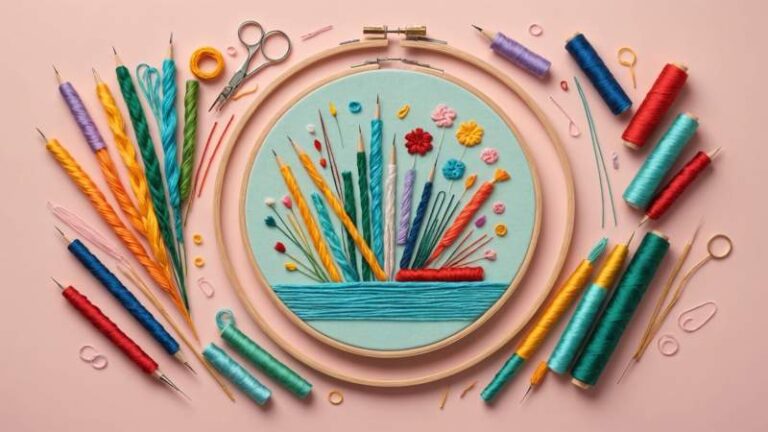

  • International Embroidery Day

    International Embroidery Day, observed annually on 10 November, recognises the art of embroidery and its cultural significance across the world. Embroidery, an ancient craft involving needle and thread to create patterns on fabric, has been integral to clothing and interior decoration in many cultures. This day highlights the preservation of embroidery traditions passed down through generations and honours the dedication of artisans. In Australia, embroidery is celebrated within craft communities, reflecting local nature and Indigenous artistic influences.

  • Mickey Mouse Birthday

    Mickey Mouse Birthday is celebrated on 18 November, marking the anniversary of the 1928 release of Steamboat Willie, the character’s official screen debut. Created by Walt Disney after losing rights to Oswald the Lucky Rabbit, Mickey first appeared in earlier silent cartoons but gained fame with this pioneering sound cartoon. The character evolved from a simple mouse to a cultural icon with companions like Pluto and Minnie. In Australia, the day is observed with themed events, screenings, and educational activities.

  • International Cinema Day

    International Cinema Day marks the first public screening of a film by the Lumière brothers in Paris on 28 December 1895. This event followed their patent of the cinematograph earlier that year. Cinema evolved from silent black-and-white films to sound, colour, and digital formats, influencing culture globally. Film festivals and awards, including those in Australia, celebrate cinematic achievements and the medium’s social impact.

  • International Cello Day

    International Cello Day is observed annually on 29 December, coinciding with the birthday of Pablo Casals, a distinguished Catalan cellist, conductor, and composer. Casals is recognised as one of the greatest cellists of all time and a pioneer in popularising the cello as a solo instrument. The cello, a bowed string instrument with a rich expressive range, plays a vital role in symphony orchestras and chamber music. Casals’ contributions include founding orchestras, composing notable works, and promoting music festivals. His legacy continues through international competitions and festivals held in his name.

  • Tolkien Day

    Tolkien Day is observed annually on 3 January to mark the birthday of J.R.R. Tolkien, the English writer and philologist renowned for his works The Hobbit and The Lord of the Rings. Born in 1892 in the Orange Free State, Tolkien’s writings significantly influenced the development of modern high fantasy. The Tolkien Society initiated this celebration, encouraging fans worldwide to raise a toast in his honour. In Australia, Tolkien Fellowship groups and student associations actively participate in events promoting Tolkien’s literary legacy.

  • National Bobblehead Day

    National Bobblehead Day is observed on 7 January, recognising the long history and cultural impact of bobbleheads. Originating in the 1700s with religious figures like Buddha, bobbleheads were imported to Europe from China in the 1760s. The first sports bobblehead appeared in the 1920s, depicting a generic basketball player. The Beatles’ bobbleheads in 1964 sparked a surge in popularity in the United States. Today, bobbleheads represent various figures including presidents, athletes, and musicians, and are popular collectibles worldwide, including in Australia.

  • The Beatles Global Day

    The Beatles Global Day is celebrated annually on 16 January, marking the opening of The Cavern Club in Liverpool where the band began their journey. Established by UNESCO in 2001, the day honours The Beatles’ significant contributions to music and culture. The band gained worldwide fame with hits like ‘Please Please Me’ and ‘I Want To Hold Your Hand’, influencing generations of musicians. Their innovative recording techniques and global performances, including a landmark satellite broadcast, solidified their place in music history.

  • Museum Selfie Day

    Museum Selfie Day is a global trend started by London blogger Mar Dixon that encourages creative photography within museums. Traditionally conservative about photography, many museums have relaxed restrictions, especially regarding flash use, to protect exhibits while engaging visitors. The event is celebrated annually on the third Wednesday of January, with institutions like the National Museum of Australia and the Australian Museum participating. This day fosters public interest and creativity in museum visits through social media sharing and photography.

  • World DJ Day

    World DJ Day is a global charitable campaign established in 2002 by the World DJ Fund and Nordoff Robbins Music Therapy. The event culminates annually on 9 March, with proceeds from DJs, clubs, and radio stations directed to international children’s charities. The campaign promotes the profession of disc jockeys, who use digital technology to create and play music across various platforms. In Australia, the event is supported by local DJs, musicians, media, and charitable organisations, focusing on fundraising for children’s medical and social programs through music therapy.

  • Tolkien Reading Day

    Tolkien Reading Day is an annual event organised by The Tolkien Society to celebrate the works of J.R.R. Tolkien. Established in 2003, it encourages reading and discussion of Tolkien’s writings in schools, libraries, and communities worldwide. The event is held on 25 March, commemorating the fall of Sauron in The Lord of the Rings. In Australia, universities, libraries, and fan groups actively participate with readings and themed activities. The Tolkien Society provides promotional materials and yearly themes to support the event globally.

  • International Sports Film Day

    International Sports Film Day is observed annually on 25 March, bringing together enthusiasts of sports and cinema. Established in 2002 by the International Olympic Committee and the International Federation of Sports Film and Television, the day honours films that depict athletic dedication, perseverance, and triumph. The celebration also commemorates the first modern Olympic Games filmed in 1896 by American Bud Greenspan. This day offers an opportunity to appreciate sports films that inspire and motivate through stories of overcoming challenges.

  • World Theatre Day

    World Theatre Day is observed every year on 27 March, having been established in 1961 by delegates of the International Theatre Institute under UNESCO. The day promotes theatre as a means of fostering understanding and peace among peoples. It honours a wide range of theatre professionals, from actors to technical staff. In Australia, the celebration includes events at the Sydney Opera House and the Royal Theatre in Hobart, alongside participation in festivals such as the Melbourne International Comedy Festival. The day is marked by special performances, premieres, and festivals worldwide.

  • Waltzing Matilda Day

    Waltzing Matilda Day is observed annually on 6 April in Australia to celebrate the iconic bush ballad known as Waltzing Matilda. The song, written by Banjo Paterson in 1895 with melody by Christina Macpherson, tells the story of a swagman and has become an unofficial national anthem. The day commemorates the song’s cultural importance, including its use in sports, military marches, and media. The Waltzing Matilda Centre in Queensland preserves the song’s history and original manuscripts.

  • World Rock-n-Roll Day

    World Rock-n-Roll Day is observed annually on 13 April, commemorating the 1954 recording of Bill Haley’s single Rock Around The Clock. This track became a landmark in the emergence of rock music, blending rhythm and blues with country influences. The genre quickly spread beyond the United States, influencing global music culture. In Australia, the day is celebrated with festivals, retro parties, and dance events that honour the origins and evolution of rock-n-roll.

  • Charlie Chaplin Day

    Charlie Chaplin Day is observed on 16 April, commemorating the birth of one of cinema’s most influential figures. Born in London in 1889, Chaplin was an actor, director, screenwriter, and composer whose career spanned over 75 years. He is best known for his character, the Little Tramp, featured in films like “City Lights.” Chaplin co-founded United Artists in 1918 and received multiple honorary Oscars recognising his contribution to film as an art form. The day is marked worldwide with film screenings, exhibitions, and events celebrating his legacy.

  • International Dance Day

    International Dance Day is observed annually on 29 April, established by the UNESCO International Dance Council in 1982. The date commemorates the birthday of Jean-Georges Noverre, a French ballet master and reformer regarded as the founder of modern ballet. Noverre pioneered the concept of ballet as an independent dramatic art form. The day aims to unite all dance styles and celebrate dance as a universal art that transcends cultural and political boundaries. In Australia, the day is marked by festivals, performances, and educational events promoting inclusivity and diversity in dance.