
Culture

  • International Jazz Day

    International Jazz Day, established by UNESCO in 2011 and first celebrated in 2012, is observed annually on 30 April. The day highlights jazz as a powerful force for peace, unity, and intercultural dialogue. Originating in the United States as a blend of African and European cultures, jazz is known for its rhythm, improvisation, and innovation. UNESCO supports this celebration through concerts, educational events, and global cooperation, emphasising jazz’s role in promoting gender equality and social inclusion.

  • Goku Day

    Goku Day is celebrated on 9 May to honour Son Goku, the main character of the Dragon Ball franchise created by Akira Toriyama. The franchise includes manga, anime, video games, and more, inspired by martial arts and classic literature. Established by Bird Studio and certified by the Japanese Association of Commemorative Dates, the day features events worldwide, including in Australia. Fans gather for cosplay, exhibitions, and discussions, promoting Japanese animation and culture.

  • World Cultural Diversity Day

    World Cultural Diversity Day, observed annually on 21 May, was established by the United Nations General Assembly in 2002 to promote the value of cultural diversity for dialogue and development. Originating from UNESCO’s 2001 Universal Declaration on Cultural Diversity, the day highlights the importance of preserving cultural heritage and fostering intercultural understanding. It addresses threats such as cultural marginalisation, language loss, and the impact of globalisation. The day encourages global cooperation to support cultural rights, creativity, and sustainable development.

  • World Tarot Day

    World Tarot Day is celebrated annually on 25 May to recognise tarot practitioners and their craft. Established in 2003 by American tarot master Dan Elder, the day aims to counter negative perceptions and highlight the professional nature of tarot reading. Tarot cards, originating in the 14th century, have evolved from gaming tools to instruments of divination and meditation. In Australia, the day features seminars, workshops, and public events that explore tarot’s history and applications, reflecting a growing interest in tarot among diverse communities.

  • World Emoji Day

    World Emoji Day is observed annually on 17 July to celebrate emojis, pictograms, and ideograms used in electronic communication. Established in 2014 by British entrepreneur Jeremy Burge, the day highlights the graphic language that conveys emotions, moods, and objects. Originating from Japan, emojis were created by Shigetaka Kurita in the early 1990s for pagers and have since spread globally. The day is unofficial but widely recognised, featuring social media activities and corporate events.

  • Unusual Musical Instruments Day

    Unusual Musical Instruments Day, observed on 31 July, celebrates rare and lesser-known musical instruments from around the world. The day highlights a variety of unique instruments such as the didgeridoo, clavichord, and hydraulo-phone, as well as modified traditional instruments. It recognises the rich history of music, including ancient instruments like flutes dating back 40,000 years. The celebration encourages exploration of experimental sounds and cultural traditions associated with these distinctive instruments.

  • Joker Day

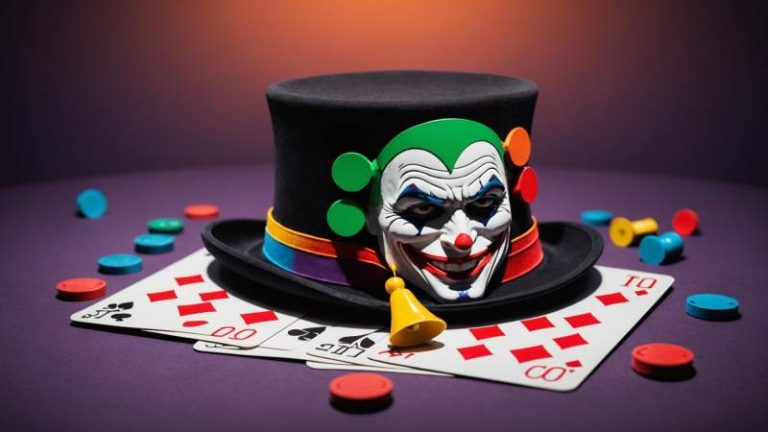
    Joker Day is observed annually on 16 August to celebrate the iconic comic book villain known for his chaotic nature and complex backstory. The date marks the publication of a key 1951 comic revealing Joker’s origin. Originating from comic fan communities, the day features costume contests, film screenings, and themed events worldwide, including Australia. Joker is recognised as a master manipulator, criminal genius, and Batman’s arch-nemesis, with a distinctive clown-like appearance shaped by chemical exposure. The celebration fosters interest in comics and graphic novels while exploring the character’s psychological and anarchic themes.

  • Bad Poetry Day

    Bad Poetry Day is celebrated every 18 August, offering a platform for both novice and experienced poets to create and share intentionally poor poetry. The origins of the day are uncertain, with possible founders being Thomas Roy and Ruth Roy from Wellcat Holidays. The event encourages participation through social media and school competitions, especially in Australia. It highlights the joy of poetry in all forms, regardless of quality, connecting to the long history of poetic expression.

  • No Makeup Day

    No Makeup Day is observed annually on 21 August to promote the appreciation of natural beauty and challenge prevailing social and media beauty standards. The day encourages individuals to take a break from daily cosmetic use, fostering self-acceptance and inner confidence. In Australia, initiatives such as the ‘No Makeup Selfie’ campaign and media discussions have supported this movement. Research highlights the pressures young women face regarding appearance, linking makeup use to anxiety and self-esteem issues. The trend towards minimal makeup and skin health is increasingly recognised across Australian society.

  • Frankenstein Day

    Frankenstein Day is observed annually on 30 August to celebrate Mary Shelley’s influential gothic novel, ‘Frankenstein; or, The Modern Prometheus’. The novel, first published anonymously in 1818 and later under Shelley’s name, is regarded as a defining work of gothic literature and an early example of science fiction. Mary Shelley, daughter of William Godwin and Mary Wollstonecraft, created the story during a summer near Geneva with notable literary figures. In Australia, the novel is part of school curricula and inspires cultural events, theatrical performances, and ethical discussions on science and technology.