
• Horse Protection Day

    Horse Protection Day is observed annually on 1 March to highlight the welfare challenges faced by horses and to promote their protection from abuse, neglect, and exploitation. Established in 2005 by animal expert Colin Page, the day encourages rescue, rehabilitation, and rehoming efforts. The event draws attention to issues such as inadequate nutrition, poor veterinary care, and harsh treatment in both domestic and wild horses. It also recognises the historical and cultural significance of horses and supports humane management practices globally, including in Australia.


  • World Compliment Day

    World Compliment Day is an informal observance encouraging the expression of sincere praise and kindness. Originating possibly in the Netherlands around 2001, the day lacks a fixed date but is celebrated on 1 March in Australia. The event highlights the importance of compliments as a form of recognition and positivity without requiring gifts or formal preparation. Australian schools, universities, and corporations actively participate, promoting goodwill through various activities and social media engagement.

  • International Match Day

    International Match Day is observed annually on 2 March to recognise the invention and development of matches. Matches are small sticks with combustible heads used to create fire, evolving from ancient fire-making methods like friction and flint striking. Early matches involved hazardous chemicals such as white phosphorus, which was later replaced by safer red phosphorus. The first safe matches were produced in Sweden in 1851, earning international acclaim. The match industry also has a history of labour issues, including child labour in Australian factories during the 1920s.

  • World Wildlife Day

    World Wildlife Day, observed on 3 March, was established by the UN General Assembly in 2013 to raise awareness about wild fauna and flora. The date commemorates the adoption of the CITES treaty in 1973, which regulates international trade in endangered species. Over 185 countries participate in CITES, protecting thousands of animal and plant species. The day highlights the urgent need to combat wildlife crimes and preserve biodiversity, which is vital for ecological, economic, and social sustainability. Australia, a CITES signatory since 1976, actively participates in conservation efforts, including protecting native species and marine ecosystems.

  • World Engineering Day

    World Engineering Day is observed annually on 4 March to recognise the contributions of engineers, scientists, and inventors. Established by UNESCO in 2019, the day honours the founding of the World Federation of Engineering Organisations in 1968. The federation unites engineering bodies from 103 countries, representing around 30 million professionals. The day promotes engineering progress, education, and public welfare through various thematic events worldwide. In Australia, Engineers Australia actively participates in these celebrations, supporting innovation and sustainable development.

  • Digital Detox Day

    Digital Detox Day is observed annually on 5 March as a 24-hour period encouraging people to switch off smartphones, tablets, and computers. Originating in the United States, the event highlights the importance of reducing digital device use to alleviate stress, improve concentration, and enhance mental health. In Australia, the day supports programs aimed at lowering screen time, especially among youth and professionals. The detox fosters better sleep, emotional wellbeing, and strengthens family and social relationships through face-to-face interaction.

  • Frozen Food Day

    Frozen Food Day is observed annually on 6 March to recognise the importance and convenience of frozen foods. Established in 1984 by US President Ronald Reagan, the day honours the first sale of frozen food on 6 March 1930. Freezing preserves nutrients and flavour while extending shelf life without preservatives. The day also features culinary contests and promotions, with Australian companies and associations actively supporting frozen food use and export.

  • Interpol Police Remembrance Day

    Interpol Police Remembrance Day is observed annually on 7 March to honour law enforcement officers who have died in the line of duty. The day features memorial ceremonies held globally, organised by Interpol and its member countries. Interpol, established from early 20th-century international police cooperation, now unites 196 countries. The organisation highlights the risks faced by police officers, including injuries and fatalities from targeted and indiscriminate attacks. Australia, a member since 1949, participates through its National Central Bureau and the Australian Federal Police.

  • International Women's Day

    International Women’s Day is observed annually on 8 March as a global celebration of women’s achievements in political, economic, and social fields. Established in the early 20th century, the day honours the past, present, and future contributions of women worldwide. The United Nations officially recognised the day in 1975, promoting it as a day for women’s rights and international peace. In Australia, the day is marked as a day of solidarity, reflecting significant milestones such as women’s suffrage and the first women’s rights march in Sydney.

  • Eight-Hour Workday Day

    Eight-Hour Workday Day in Australia commemorates the labour movement that began in the 1800s, advocating for an eight-hour working day and a 40-hour working week. Originating with skilled tradespeople and unions, the movement led to significant labour reforms, including the 1860s Victorian law guaranteeing the eight-hour day. The day is observed in various states, featuring parades, festivals, and sporting events that celebrate workers’ rights and achievements. The movement’s slogan, ‘eight hours labour, eight hours recreation, eight hours rest,’ symbolises the balance sought by workers. A monument in Melbourne’s Trades Hall honours this pivotal labour milestone.

  • Canberra Day

    Canberra Day is observed in the Australian Capital Territory on the second Monday of March, commemorating the official naming of Canberra as Australia’s capital. The day features various events including the Enlighten Canberra festival, the Canberra Balloon Spectacular, and community fundraisers. Canberra, designed to resolve rivalry between Sydney and Melbourne, is located inland and is known for its natural parks and renewable energy use. The name Canberra originates from the Ngunnawal language, meaning ‘meeting place’ or ‘woman’s breast’.

  • Adelaide Cup Day

    Adelaide Cup Day is a public holiday in South Australia observed on the second Monday of March. It coincides with the Adelaide Cup, a Group 2 thoroughbred horse race held at Morphettville Racecourse. The event is organised by the South Australian Jockey Club and includes cultural festivals, music, and family activities. Established in 1864, the Adelaide Cup is the second oldest major horse race in Australia and has a prize pool of 400,000 AUD. The day is an important social and cultural occasion in the region.

  • Commonwealth Day

    Commonwealth Day is an annual movable holiday observed on the second Monday of March, celebrating the history and unity of the Commonwealth of Nations. The day features a service at Westminster Abbey attended by the British royal family and various celebrations across member countries. Originally established as Empire Day in 1902 to honour Queen Victoria, it was renamed Commonwealth Day in 1958. The event symbolises ideals of freedom, tolerance, and justice, and is recognised as an official public holiday in some Commonwealth countries. The day also includes the Queen’s annual address, inspiring member states towards a shared future.

  • World DJ Day

    World DJ Day is a global charitable campaign established in 2002 by the World DJ Fund and Nordoff Robbins Music Therapy. The event culminates annually on 9 March, with proceeds from DJs, clubs, and radio stations directed to international children’s charities. The campaign promotes the profession of disc jockeys, who use digital technology to create and play music across various platforms. In Australia, the event is supported by local DJs, musicians, media, and charitable organisations, focusing on fundraising for children’s medical and social programs through music therapy.

  • International Women Judges Day

    International Women Judges Day is an annual United Nations observance held on 10 March, established in 2021 to promote gender equality in judicial systems globally. The day recognises the underrepresentation of women in judicial leadership and the importance of gender and racial diversity for fair and inclusive justice. It honours the progress made by women judges who have overcome barriers and highlights the ongoing challenges of gender stereotypes and discrimination. The observance supports the UN Sustainable Development Goal 5, aiming for full participation of women in leadership and decision-making roles within the judiciary.

  • Coronavirus Pandemic Day

    Coronavirus Pandemic Day is observed annually on 11 March, marking the World Health Organization’s declaration of COVID-19 as a pandemic in 2020. The disease affects the respiratory and gastrointestinal systems with symptoms ranging from mild to severe. The pandemic led to significant challenges in health, economy, and social relations globally. Australia implemented strict border closures and lockdowns, maintaining low mortality rates. The day honours victims and healthcare workers while reflecting on societal adaptations and resilience.

  • World Pineapple Day

    World Pineapple Day is observed annually on 12 March to recognise the pineapple, an exotic tropical fruit valued worldwide for its sweet flavour and health benefits. Originating from the Mato Grosso plateau on the Brazil-Paraguay border, pineapples grow as herbaceous plants with large, moisture-retaining leaves. The fruit develops from multiple fused berries and contains the enzyme bromelain, known for its anti-inflammatory properties. Pineapples are cultivated globally where climate permits, including significant production in Queensland, Australia.

  • Headphones Day

    Headphones Day is observed annually on 13 March to celebrate the development and impact of headphones. The first headphones were invented in 1881 for telephone operators, evolving through innovations such as the 1891 in-ear design by Ernest Mercadier and the 1910 model by Nathaniel Baldwin. Advances continued with dynamic headphones in 1937 and stereo models in 1958. The day honours audio culture, technological progress, and the importance of sound in daily life.

  • Pi Day

    Pi Day is an unofficial observance celebrated on 14 March at 1:59:26, reflecting the first digits of the mathematical constant pi. The day was created in 1987 by physicist Larry Shaw. Pi represents the ratio of a circle’s circumference to its diameter and has an infinite decimal expansion. The symbol π was introduced by mathematician Jones in 1706. Pi Day is marked by various activities including pie baking, mathematical puzzles, and memory challenges related to pi’s digits.

  • International Day Against Police Brutality

    The International Day Against Police Brutality is observed annually on 15 March, first established in 1997 by groups from Montreal and Switzerland. It aims to raise awareness about police violence, which is a widespread issue involving unjustified use of force by law enforcement. The day is marked by demonstrations, particularly in Montreal, where thousands participate despite police interventions. In Australia, police brutality disproportionately affects Indigenous communities, with numerous incidents and calls for independent investigations.

  • Freedom of Information Day

    Freedom of Information Day is observed annually on 16 March to raise awareness about public access to government information. The date honours James Madison, known as the Father of the Constitution, who championed rights to information. The day underscores the importance of transparency, accountability, and the right to request government-held data under freedom of information laws. These laws empower citizens, strengthen democracy, and promote trust in government institutions.

  • St Patrick's Day

    St Patrick’s Day is observed annually on 17 March to honour Saint Patrick, who brought Christianity to Ireland. It is a religious holiday recognised by various Christian denominations and celebrated globally with parades and festivals. The largest celebration occurs in New York City, attracting millions of spectators. In Australia, major cities host parades and cultural events, with traditions including wearing green and showcasing Irish heritage. The day also serves as an occasion for educational activities and charitable efforts within the Irish community.

  • Submarine Day

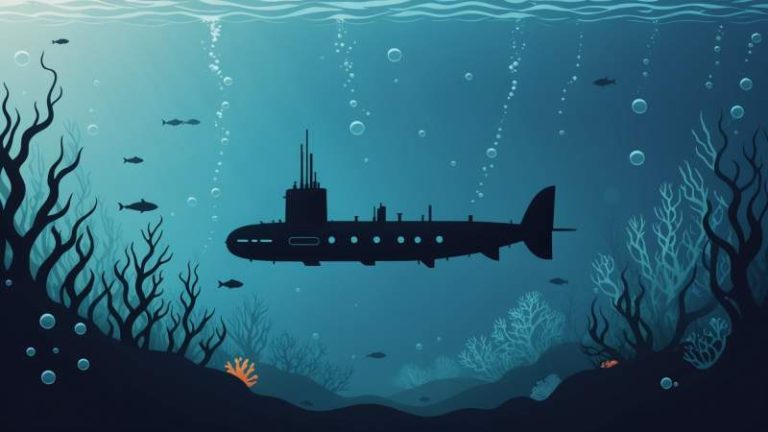
    Submarine Day is observed annually on 17 March to commemorate John Philip Holland’s pioneering work in submarine design. Holland, born in Ireland in 1840 and later emigrating to the United States, created the first submarine accepted by the US Navy on 17 March 1898. His early sketches and the construction of the Fenian Ram laid foundational principles for modern submarines. Submarines have since become vital to naval operations globally, including in the Royal Australian Navy, which operates Collins-class submarines.

  • Sheila's Day

    Sheila’s Day is observed on 18 March and is dedicated to Sheila, a figure associated with Saint Patrick, either as his wife or mother. The celebration is rooted in Irish folklore and is mainly observed by the Irish diaspora in Canada and Australia rather than in Ireland itself. The day has connections to medieval sculptures known as Sheela-na-gigs, which are believed to have protective or fertility-related symbolism. Traditions include wearing shamrocks and specific rituals involving whisky, reflecting a blend of pagan and Christian influences.

  • International Client's Day

    International Client’s Day, first observed on 19 March 2010, highlights the essential role of clients in business. It encourages companies to attract new customers and reward loyal ones through various forms of appreciation. In Australia, the day is marked by special promotions, certificates, and events aimed at enhancing customer satisfaction and service quality. This observance fosters a customer-focused corporate culture and strengthens business-client relationships.

  • Close the Gap Day

    Close the Gap Day is observed annually on the third Thursday of March to support health equality for Indigenous Australians. Established in 2007, the campaign raises awareness about the significant health disparities faced by Aboriginal and Torres Strait Islander peoples, including lower life expectancy and higher rates of chronic illness. It advocates for improved access to culturally appropriate healthcare, safe housing, and social determinants such as education and employment. The campaign also encourages community events and legislative support to address these ongoing challenges.

  • Anti-Bullying and Violence Day

    National Anti-Bullying and Violence Day in Australia is observed annually on the third Friday of March. It is an initiative led by the Bullying. No Way! program and supported by the Australian Department of Education. The day focuses on collaborative efforts between schools, communities, and students to find sustainable solutions to bullying. Bullying is defined as repeated aggressive behaviour causing harm and distress, with historical roots tracing back to physical persecution among youth. The event encourages awareness, prevention, and the promotion of safe school environments.

  • World Sparrow Day

    World Sparrow Day is observed annually on 20 March to promote awareness about the protection of sparrows, especially the house sparrow. Initiated by the Nature Forever Society of India and Eco-Sys Action of France, the day provides a platform for ornithologists and bird conservationists to share ideas. House sparrows face threats from habitat loss, pesticides, and urbanisation. The day encourages global participation in sparrow conservation efforts and highlights the importance of common urban birds.

  • Harmony Day Australia

    Harmony Day is an annual national event in Australia held on 21 March to promote racial tolerance and cultural diversity. Established in 1999 by the Life in Harmony society under the federal Department of Immigration and Culture, it coincides with the UN International Day for the Elimination of Racial Discrimination. The event encourages wearing orange ribbons as a symbol of anti-racism and involves schools, community groups, and local councils organising activities. These include social actions, cultural events, and public gatherings to foster unity and address social issues.

  • World Poetry Day

    World Poetry Day is observed annually on 21 March, established by UNESCO in 1999 to promote poetry as a form of cultural and linguistic expression. The first celebration took place in Paris in 2000, where UNESCO’s headquarters are located. The day highlights poetry’s role in fostering dialogue, peace, and cultural identity across all continents. It supports small publishers and literary clubs, encourages the oral tradition of poetry readings, and promotes linguistic diversity, including endangered languages. In Australia, the day emphasises Indigenous and Torres Strait Islander poetry, reflecting deep connections to land and culture.

  • International Day for the Elimination of Racial Discrimination

    The International Day for the Elimination of Racial Discrimination is observed annually on 21 March. It was proclaimed by the United Nations General Assembly in 1966 to commemorate the Sharpeville massacre in South Africa, where 69 people were killed during a peaceful protest against apartheid laws. The day highlights the global commitment to combat racial discrimination and promote equality. In Australia, it coincides with the National Harmony Day, which celebrates cultural diversity and opposes racism. The day serves as a reminder of collective responsibility to uphold human dignity and rights.

  • World Water Day

    World Water Day is observed annually on 22 March as an international day designated by the United Nations. Established in 1993 following the 1992 UN Conference on Sustainable Development, it aims to raise awareness about water-related challenges such as droughts, floods, and access to safe drinking water. Each year, a specific theme guides global activities coordinated by UN agencies. In Australia, the day is recognised federally and supports national policies on sustainable freshwater use, with educational and community events highlighting water conservation and management.

  • International Taxi Driver Day

    International Taxi Driver Day is observed on 22 March, marking the introduction of the first motorised taxis with taximeters in London in 1907. The taximeter, derived from French and Greek terms, revolutionised urban transport and led to the naming of taxis and taxi drivers. The invention of the automatic fare meter by Wilhelm Friedrich Nedler in 1875 laid the foundation for modern taxi services. The iconic yellow colour and checkered patterns became global symbols of taxis, popularised by American businessman John Hertz. In Australia, the day is celebrated with taxi parades and community events, reflecting both tradition and modern challenges in the industry.

  • Atheist Day

    Atheist Day is observed annually on 23 March in various countries to symbolise freedom from religious beliefs and promote secularism. It offers a platform for individuals without religious faith to express their identity and engage in discussions about religion and secularism. The day features educational events, cultural activities, and initiatives supporting scientific thinking and scepticism. In Australia, organisations like the Rationalist Society of Australia and the Australian Secularism and Freedom of Conscience Union participate in related events, reflecting the country’s significant secular population.

  • Depression Awareness Day

    International Depression Awareness Day is observed annually on 24 March to highlight the significance of mental health and depression. The day aims to inform the public about depression symptoms, treatment options, and the importance of professional help. Depression affects over 20% of the population and leads to significant social and emotional challenges. The observance also seeks to reduce stigma and encourage open discussions about mental health issues. Support from healthcare professionals and loved ones is crucial for those affected.

  • Annunciation of the Blessed Virgin Mary

    The Annunciation of the Blessed Virgin Mary is a significant Christian celebration observed on 25 March by Catholics and other denominations using the Gregorian calendar. It commemorates the angel Gabriel’s announcement to Mary about the birth of Jesus Christ. The feast’s date can shift in some liturgical calendars if it coincides with Holy Week or Easter. In Australia, the feast is included in the General Roman Calendar and marked with white vestments. Various Orthodox jurisdictions in Australia observe the feast on different dates according to their calendars.

  • Tolkien Reading Day

    Tolkien Reading Day is an annual event organised by The Tolkien Society to celebrate the works of J.R.R. Tolkien. Established in 2003, it encourages reading and discussion of Tolkien’s writings in schools, libraries, and communities worldwide. The event is held on 25 March, commemorating the fall of Sauron in The Lord of the Rings. In Australia, universities, libraries, and fan groups actively participate with readings and themed activities. The Tolkien Society provides promotional materials and yearly themes to support the event globally.

  • International Sports Film Day

    International Sports Film Day is observed annually on 25 March, bringing together enthusiasts of sports and cinema. Established in 2002 by the International Olympic Committee and the International Federation of Sports Film and Television, the day honours films that depict athletic dedication, perseverance, and triumph. The celebration also commemorates the first modern Olympic Games filmed in 1896 by American Bud Greenspan. This day offers an opportunity to appreciate sports films that inspire and motivate through stories of overcoming challenges.


  • Loneliness Awareness Day

    Loneliness Awareness Day, observed on 26 March, focuses on the emotional state of loneliness and its distinction from social isolation. Loneliness can affect anyone, regardless of physical company, and may lead to serious mental and physical health issues. In Australia, millions experience loneliness, with significant impacts on young people and the elderly. The day encourages recognising loneliness, offering support, and promoting social connections to improve wellbeing.

  • World Theatre Day

    World Theatre Day is observed every year on 27 March, having been established in 1961 by delegates of the International Theatre Institute under UNESCO. The day promotes theatre as a means of fostering understanding and peace among peoples. It honours a wide range of theatre professionals, from actors to technical staff. In Australia, the celebration includes events at the Sydney Opera House and the Royal Theatre in Hobart, alongside participation in festivals such as the Melbourne International Comedy Festival. The day is marked by special performances, premieres, and festivals worldwide.

  • World Historian Day

    World Historian Day is observed annually on 28 March to emphasise the importance of historical science in understanding the present and shaping the future. Historians analyse documents, artefacts, and oral traditions to reconstruct an objective view of the past. In Australia, the day recognises contributions by historians studying Indigenous history, colonisation, and national development. The Australian Historical Association supports this field through conferences and research. The profession remains vital in archives, museums, and educational institutions.

  • Neighbour Day

    Neighbour Day is observed on the last Sunday of March and promotes neighbourly connections and community support. Historical legal principles and modern initiatives highlight the importance of neighbour relations for safety and wellbeing. In Australia, Neighbour Day events encourage social interaction, mutual aid, and preparedness for natural disasters. Research shows that strong neighbourhood ties improve mental health, reduce loneliness, and enhance community resilience. Local programs and online platforms support neighbourly cooperation and emergency readiness.

  • Holy Week Observance

    Holy Week, observed from Palm Sunday to Easter, commemorates the last days of Jesus Christ and his teachings on love and redemption. Originating in early Christianity and Jerusalem, it features solemn processions and rituals worldwide, notably in Spain and Latin America. In Australia, both Catholic and Orthodox communities observe Holy Week with public holidays, religious services, and traditional processions. The week also involves charitable activities and community engagement, reflecting the spiritual significance of the period.

  • Palm Sunday

    Palm Sunday marks Jesus’ entry into Jerusalem, where crowds welcomed him with palm branches as a symbol of peace. This event initiates Holy Week, leading to Jesus’ crucifixion and resurrection. In Australia, Palm Sunday is observed with special church services featuring palm branches, hymns, and Bible readings. Children have participated in these celebrations for over 1600 years, often carrying handmade palms and engaging in songs or readings. Australian churches commonly use local palm branches instead of willow due to availability.

  • Declawing Awareness Day

    Declawing Awareness Day is observed annually on 29 March to raise awareness about the practice of cat declawing, also known as onychectomy. This surgical procedure involves amputating the last joint of a cat’s toes, which can lead to serious complications such as chronic pain, behavioural issues, and arthritis. Declawing is banned or restricted in over 20 countries, including Australia, the UK, and parts of North America. The day promotes education on the consequences of declawing and encourages humane alternatives like regular claw trimming and providing scratching posts.

  • Bipolar Disorder Awareness Day

    Bipolar Disorder Awareness Day is observed annually on 30 March to increase understanding and reduce stigma associated with bipolar disorder. This mental health condition involves alternating manic or hypomanic and depressive episodes, with internal factors influencing its course. Approximately 46 million people worldwide live with bipolar disorder, including around 280,000 Australians. The day honours the birthday of Vincent Van Gogh, who is believed to have had bipolar disorder. Support from healthcare professionals and community is essential for managing the condition and improving quality of life.