
• World Scout Neckerchief Day

    World Scout Neckerchief Day is observed annually on 1 August to celebrate the scout neckerchief, an essential part of scout uniform symbolising unity and commitment. The neckerchief varies in colour and design according to region, rank, and organisation, often featuring the scout emblem and motto. Scouts wear it tied with the friendship knot, reflecting their promise to uphold scout values. The day was established in 2007 and is promoted through social media platforms. In Australia, Scouts Australia represents the movement, headquartered in Melbourne and patronised by the Governor-General.

  • Colouring Book Day

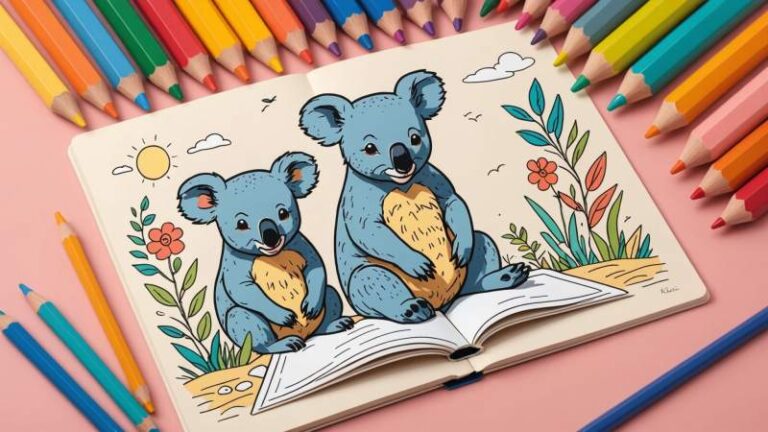
    Colouring Book Day is observed annually on 2 August to recognise the significance of colouring books. Originating in the United States in the late 19th century, the first commercially successful colouring book was released by McLoughlin Brothers in 1879. Colouring books come in various formats and designs, serving as tools for creativity, relaxation, and development. In Australia, they are widely used in early education and adult stress relief practices, often featuring local themes and nature motifs.

  • CLOVES Syndrome Awareness Day

    CLOVES Syndrome Awareness Day is observed annually on 3 August to increase understanding of this rare genetic disorder characterised by tissue overgrowth and vascular malformations. The syndrome results from mutations in the PIK3CA gene and is part of the PIK3CA-related overgrowth spectrum (PROS). First described in 1867 and officially recognised in 2007, CLOVES affects approximately 200 people worldwide. Awareness efforts include promoting solidarity through green symbols and supporting research and patient resources. In Australia, specialised clinical services and support schemes assist individuals living with CLOVES and related conditions.

  • Northern Territory Picnic Day

    Northern Territory Picnic Day is an annual public holiday observed on the first Monday of August in Australia’s Northern Territory. Originating in the late 1800s, the tradition began with railway and public works employees holding annual picnics by the Adelaide River. The event includes barbecues featuring local foods and cultural displays such as Aboriginal dances and art workshops. The tradition was revived in the 1930s and continues to be celebrated with activities like the Railway Historical Picnic and horse racing at Harts Range.

  • NSW Bank Holiday

    The New South Wales Bank Holiday is an official state public holiday observed on the first Monday of August. Established in 1875, its origins trace back to British legislation from 1871 that mandated bank closures to compensate employees for extra work. The holiday initially provided extended leave specifically for bank staff and has evolved through legislative changes, including amendments in 1912 and 2012. While banks close on this day, it is not a public holiday for all workers. The Reserve Bank of Australia publishes an annual calendar of bank holidays, reflecting variations across states.

  • National Aboriginal and Torres Strait Islander Children’s Day

    National Aboriginal and Torres Strait Islander Children’s Day is observed annually on 4 August in Australia. Established in 1988 by SNAICC, it honours the culture, family, and community of Indigenous children. The day also commemorates the ‘Stolen Generations’ and raises awareness of the challenges faced by Aboriginal and Torres Strait Islander children, including access to education and healthcare. It highlights traditional practices such as kupai omasker and promotes recognition of Indigenous voices. Over 600 events are held nationwide to celebrate Indigenous history and culture.

  • Oyster Day

    Oyster Day is observed every year on 5 August to honour oysters, a family of marine bivalve molluscs known for their asymmetrical shells and culinary value. Oysters are popular seafood, consumed raw or cooked, and some species produce pearls. The day features events such as tastings, festivals, and workshops worldwide. In Australia, oyster farming is significant, with species like Sydney rock oyster and Pacific oyster cultivated. Environmental concerns and overharvesting have impacted oyster populations globally.

  • Hiroshima Atomic Bomb Memorial

    Hiroshima Atomic Bomb Memorial Day is observed annually on 6 August to remember the victims of the first nuclear bombing in history. On 6 August 1945, the United States dropped a nuclear bomb named ‘Little Boy’ on Hiroshima during the final stages of World War II. The bombing resulted in over 200,000 deaths and widespread radiation exposure. The day also serves as a global call for the prohibition of nuclear weapons, with Australia actively participating in related educational and commemorative activities. Various Australian organisations support awareness campaigns and international disarmament initiatives.

  • Aged Care Workers Day

    Aged Care Workers Day in Australia is observed on 7 August to honour the contributions of professionals involved in elderly care. This includes workers in aged care homes, hospitals, hospices, and community services. The aged care system, known as Aged Care or Elderly Care, provides both residential and in-home support, subsidised by the government. The day was initiated by the non-profit Whiddon in 2018 and has since gained national support from key aged care organisations. It highlights the vital role of all care workers, especially care assistants, who form the majority of the workforce.

  • Death Awareness Day

    Death Awareness Day, observed annually on 8 August, was established by The Groundswell Project in Australia to encourage open discussions about death and dying. Inspired by Andrew Anastasios’s 2010 book, the day aims to reduce stigma around death and promote planning for end-of-life care. Since its inception in 2013, the day has grown to include hundreds of events, educational seminars, and community gatherings. It supports practical actions such as writing wills and discussing funeral preferences, while also addressing grief and loss. The day fosters acceptance and understanding, helping people live more fully in the present.

  • Indigenous Peoples Day

    The International Day of Indigenous Peoples is observed annually on 9 August, established by the United Nations General Assembly in 1994. It commemorates the first meeting of the Working Group on Indigenous Populations in 1992 and highlights the rights and cultures of indigenous peoples globally. The day aligns with international decades dedicated to indigenous rights and promotes awareness of issues such as education, health, and cultural preservation. Indigenous peoples represent 6% of the global population but face significant challenges including poverty and discrimination. Various initiatives, including declarations and action plans, support their rights and cultural survival.

  • Biodiesel Day

    International Biodiesel Day is observed annually on 10 August to mark the first use of biodiesel fuel in 1893. Biodiesel is produced from plant and animal fats through a transesterification process that improves fuel properties. In Australia, biodiesel production mainly uses canola, waste vegetable oils, and animal fats, regulated under national fuel standards. The fuel is valued for its environmental benefits and is used in various transport and industrial sectors. Australian standards align closely with European norms to ensure quality and stability.

  • Children's Day

    Children’s Day is celebrated annually on 11 August to promote quality family time with sons and daughters. The event traces its origins to the 1930s in Missouri, where the idea was inspired by a boy seeking recognition. It emphasises shared activities and attention within families, with some businesses offering discounts. Related initiatives include Take Our Daughters and Sons to Work Day, which began in the 1990s and is observed in Australia as an educational program introducing children to various careers.

  • Hot Air Balloon Flight Day

    Hot Air Balloon Flight Day is observed annually on 11 August to commemorate the first successful flight by the Montgolfier brothers in August 1783. The day recognises the skill and professionalism required by balloon pilots, with events focusing on balloon preparation, safety checks, and passenger comfort. Ballooning offers a tranquil experience, providing unique views and a sense of peaceful movement above the landscape. In Australia, balloon pilots must be licensed with a minimum of 16 flight hours, and there are about 100 commercial operators.

  • Julienne French Fries Day

    Julienne French Fries Day is observed annually on 12 August to honour the thinly sliced style of French fries known as julienne. This cutting technique, resembling matchsticks, dates back to 19th-century culinary practices. French fries originated in Belgium and have various origin stories including France and Spain. The day highlights the global popularity of fries, including their presence in Australia where they are commonly called chips or hot chips and served in major fast-food chains.

  • International Left-Handers Day

    International Left-Handers Day is observed annually on 13 August to raise awareness about left-handedness and dispel related myths. Left-handers make up approximately 7% to 15% of the global population, with higher prevalence in regions such as South and Southeast Asia, Eastern Europe, and Australia. Historically, left-handers faced discrimination and forced retraining, which caused stress and health issues. The day promotes understanding of the challenges left-handers face, including the predominance of right-handed tools and the importance of supporting natural hand preference, especially in education and workplaces. In Australia, the day is recognised nationally with educational activities and specialised products available for left-handers.

  • Bookshop Appreciation Day

    Bookshop Appreciation Day is observed annually on 14 August in Australia. Established by the Australian Booksellers Association, the day recognises the importance of local bookstores and their contribution to public knowledge. It encourages respect for books and promotes reading as both an educational and enjoyable activity. Local bookstores offer unique services such as book rentals and comfortable spaces for reading. Supporting these stores is vital in the era of online shopping.

  • World Lizard Day

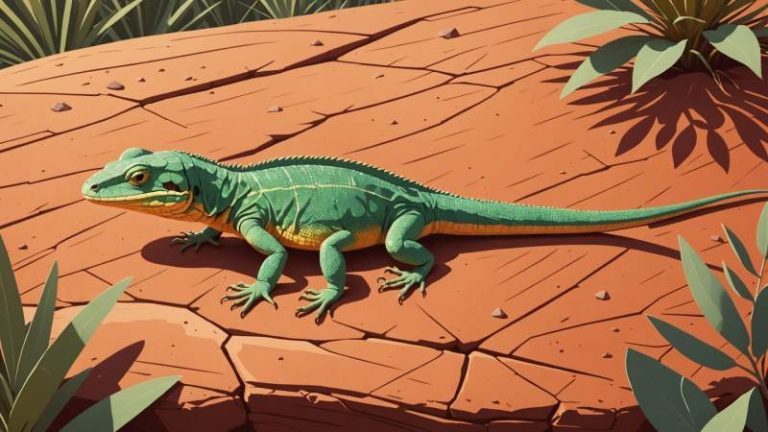
    World Lizard Day is observed annually on 14 August to raise awareness about lizards, their ecological importance, and the threats they face. Established in 2004 by American biologist John Hunter, the day is celebrated by herpetologists, zookeepers, and enthusiasts. Lizards are a diverse group of reptiles with over 7,000 species worldwide, inhabiting all continents except Antarctica. In Australia, more than 700 species exist, including the large Australian monitor and the iconic bearded dragon. The day promotes education and conservation through various events and activities.

  • Assumption of Mary

    The Assumption of Mary is a Catholic feast celebrated on 15 August, marking the belief in the bodily ascent of the Virgin Mary to heaven after her death. Rooted in a dogma proclaimed by Pope Pius XII in 1950, the feast has been observed since the 6th century. It involves solemn church services, processions, and in some countries, public holidays. The tradition is based on apocryphal texts and Catholic teachings, distinguishing it from Orthodox celebrations of the Dormition of Mary.

  • Ameretat and Royal Fire Festival

    The Ameretat and Royal Fire Festival is a Zoroastrian celebration held on 15 August when the Sun enters 23 degrees of Leo. It honours Ameretat, the Amesha Spenta associated with immortality, life, and creativity, and the Royal Fire dedicated to Khvarenah, symbolising divine glory and responsibility. The festival involves lighting 19 fires, rituals of purification, and the release of creative energy. In Australia, a recognised Zoroastrian community observes this festival privately, maintaining traditions in communal centres and fire temples.

  • Joker Day

    Joker Day is observed annually on 16 August to celebrate the iconic comic book villain known for his chaotic nature and complex backstory. The date marks the publication of a key 1951 comic revealing Joker’s origin. Originating from comic fan communities, the day features costume contests, film screenings, and themed events worldwide, including Australia. Joker is recognised as a master manipulator, criminal genius, and Batman’s arch-nemesis, with a distinctive clown-like appearance shaped by chemical exposure. The celebration fosters interest in comics and graphic novels while exploring the character’s psychological and anarchic themes.

  • Vanilla Custard Day

    Vanilla Custard Day is observed annually on 17 August, recognising one of the most popular creams in pastry arts. Originating from classical French cuisine, vanilla custard has been known since the 17th century. It is widely used in pies, cakes, croissants, profiteroles, and éclairs. Australian bakers celebrate this day by adapting the traditional recipe with local ingredients and offering special desserts. The preparation involves careful mixing and heating of milk, egg yolks, sugar, flour, and vanilla to achieve a smooth, creamy texture.

  • Long Tan Battle Commemoration

    Australian Vietnam Veterans Day, observed on 18 August, commemorates the Battle of Long Tan, a significant engagement during the Vietnam War. The battle involved around 100 Australian soldiers from D Company, 6th Battalion, Royal Australian Regiment, facing approximately 2,500 North Vietnamese troops. Despite heavy rain and intense fighting, Australian forces secured a victory with support from artillery and air units. The event honours the sacrifices of Australian servicemen and recognises the battle’s importance in military history.

  • Bad Poetry Day

    Bad Poetry Day is celebrated every 18 August, offering a platform for both novice and experienced poets to create and share intentionally poor poetry. The origins of the day are uncertain, with possible founders being Thomas Roy and Ruth Roy from Wellcat Holidays. The event encourages participation through social media and school competitions, especially in Australia. It highlights the joy of poetry in all forms, regardless of quality, connecting to the long history of poetic expression.

  • Patient Rights Protection Day

    Patient Rights Protection Day, observed on 19 August, focuses on safeguarding the interests of patients and their carers. Originating in the United States during the 1950s cancer treatment advancements, patient advocacy has evolved to address ethical concerns and improve healthcare outcomes. In Australia, patient advocacy is regulated and supported by national bodies, emphasising access, equality, and dignity. This day recognises the role of advocates in navigating healthcare systems and promoting informed patient decisions.

  • World Mosquito Day

    World Mosquito Day is observed annually on 20 August to raise awareness about malaria and other mosquito-borne diseases. It was established by Sir Ronald Ross, who discovered that female Anopheles mosquitoes transmit malaria. Malaria affects millions globally, with significant health impacts, especially in tropical regions. Mosquitoes are vectors for several diseases, and efforts continue to improve prevention and control. The day emphasises public education on disease risks and protective measures.

  • No Makeup Day

    No Makeup Day is observed annually on 21 August to promote the appreciation of natural beauty and challenge prevailing social and media beauty standards. The day encourages individuals to take a break from daily cosmetic use, fostering self-acceptance and inner confidence. In Australia, initiatives such as the ‘No Makeup Selfie’ campaign and media discussions have supported this movement. Research highlights the pressures young women face regarding appearance, linking makeup use to anxiety and self-esteem issues. The trend towards minimal makeup and skin health is increasingly recognised across Australian society.

  • World Plant Milk Day

    World Plant Milk Day is celebrated every year on 22 August to raise awareness about plant-based milk alternatives. Established in 2017 by vegan educator and environmental advocate Robbie Lockie, the day highlights the diversity of non-dairy milks and encourages people to consider plant-based options regardless of diet or lactose intolerance. Plant milks, made from grains, nuts, seeds, and legumes, offer an environmentally friendly alternative to animal milk. The day also promotes the ethical and ecological benefits of choosing plant-based milk.

  • Love Hug Day

    Love Hug Day is observed annually on 23 August to recognise the importance of hugs in expressing love, care, and support. Hugs release oxytocin, which improves mood, reduces stress, and enhances partner sensitivity. They also promote trust, calmness, and a sense of security. Initiatives like the Free Hugs Campaign, started in Sydney in 2004, have popularised hugs as a form of social connection worldwide. Australian organisations and psychological services acknowledge hugs as vital for emotional wellbeing and relationship support.

  • Saint Bartholomew Day

    Saint Bartholomew Day is observed on 24 August by the Catholic Church to honour one of Jesus Christ’s twelve apostles. Known originally as Nathanael, he undertook missionary work in India and Armenia, where he was recognised for spreading Christianity and healing. According to tradition, he suffered martyrdom and his relics are kept on the island of Lipari. The day is marked by religious services, cultural events, and community gatherings, reflecting both historical reverence and local customs.

  • Tree Climbing Day

    Tree Climbing Day is an unofficial annual event observed on 25 August that encourages people of all ages to engage in tree climbing as a form of physical activity. The celebration promotes spending time outdoors, strengthening muscles, and improving coordination and balance. It also fosters social connections by bringing together family, friends, and like-minded individuals. The event reflects childhood memories of outdoor play and exploration, while Australian research highlights its benefits for understanding physics and biology.

  • Musical Yoga Day

    Musical Yoga Day is observed annually on 26 August in many countries, highlighting the combination of music and yoga to enhance meditation and physical practice. Music supports deeper relaxation and balance during yoga, resonating with both body and mind. This day reflects the growing interest in blending traditional wellness methods with musical elements. In Australia, various yoga studios incorporate live music and sound therapy into their sessions, enriching the overall experience. The celebration emphasises the importance of sound vibrations as a tool for achieving inner harmony.

  • World Lakes Day

    World Lakes Day is observed annually on 27 August following a United Nations resolution adopted in 2024. Lakes are natural inland water bodies vital for freshwater supply, biodiversity, and climate regulation. Covering nearly 4% of Earth’s surface, lakes support ecosystems and economies worldwide. The day promotes awareness and action for the conservation, restoration, and sustainable use of lake environments. Australia, with around 12,000 lakes including Lake Eyre, participates in these efforts through government programs and regional events.

  • Red Wine Day

    Red Wine Day is observed annually on 28 August to honour one of the world’s oldest and most popular beverages. Red wine has a rich history dating back to ancient Rome, Egypt, and Greece, where it symbolised social status and cultural traditions. Produced globally from dark grape varieties, red wine contains antioxidants, polyphenols, and minerals beneficial to health when consumed moderately. Australia, a leading producer, is known for its Shiraz and Cabernet Sauvignon wines, celebrated during festivals like the Barossa Vintage Festival. Enotherapy, the therapeutic use of red wine, is also practised in Australian wellness programs.

  • Lemon Juice Day

    Lemon Juice Day is observed annually on 29 August to recognise the diverse uses and benefits of lemon juice. Extracted from lemon pulp, lemon juice is rich in vitamins and antioxidants that support immunity, digestion, and skin health. In Australia, lemon juice features in traditional recipes like lemon meringue pie and is widely used in beverages made from local citrus fruits. While lemon juice offers many health advantages, its acidity requires cautious consumption to protect dental enamel.

  • Social Justice Sunday

    Social Justice Sunday is observed annually on the last Sunday of August by the Catholic Church in Australia. Since 1940, Australian Catholic bishops have issued Social Justice Statements to encourage reflection and action on social issues. The Australian Catholic Social Justice Council, established in 1987, supports these efforts through education, advocacy, and research. The event recognises individuals and organisations dedicated to social and ecological justice. It also highlights the Church’s commitment to human dignity, solidarity, and subsidiarity within Australian society.

  • Frankenstein Day

    Frankenstein Day is observed annually on 30 August to celebrate Mary Shelley’s influential gothic novel, ‘Frankenstein; or, The Modern Prometheus’. The novel, first published anonymously in 1818 and later under Shelley’s name, is regarded as a defining work of gothic literature and an early example of science fiction. Mary Shelley, daughter of William Godwin and Mary Wollstonecraft, created the story during a summer near Geneva with notable literary figures. In Australia, the novel is part of school curricula and inspires cultural events, theatrical performances, and ethical discussions on science and technology.

  • Global Distance Learning Day

    Global Distance Learning Day, observed on 31 August, recognises the development and significance of remote education worldwide. Distance learning encompasses fully online and hybrid models, offering flexibility and cost-effectiveness. Its origins trace back to 18th-century correspondence courses, evolving through innovations like the Open University and internet-based education. Australian institutions have played a key role, with initiatives such as Schools of the Air and early adoption of online programs. The day promotes awareness of remote learning resources and celebrates advancements in the field.

  • Blog Day

    Blog Day, observed on 31 August, was established in 2005 to encourage bloggers to explore and share diverse perspectives by reviewing five different blogs outside their usual interests. The event promotes international connections and cultural exchange within the blogging community. It inspired the Best of Blogs competition in 2007, featuring blogs and podcasts in 14 languages. The blogosphere continues to grow rapidly, with millions of posts published daily and a significant presence in countries like the United States and Australia.