Oyster Day: Annual Recognition of Marine Bivalve Molluscs
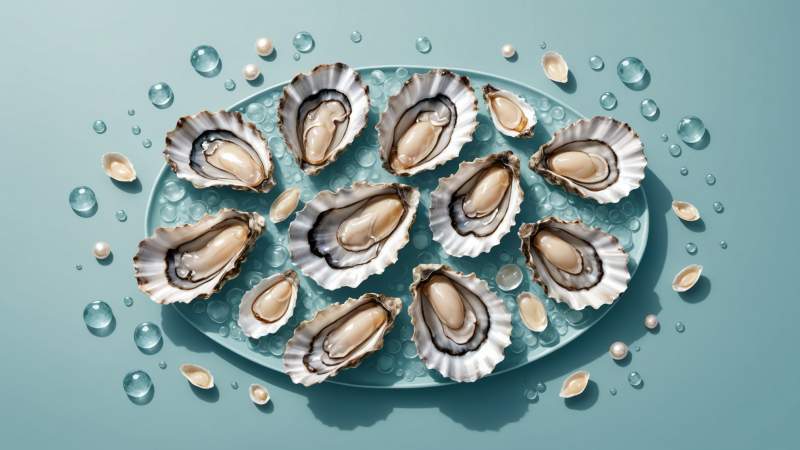
Oyster Day is an annual event held on 5 August to celebrate oysters, marine bivalve molluscs recognised for their unique asymmetrical shells and diverse uses. These molluscs are among the most popular seafood worldwide, valued both as a delicacy and for pearl production.
Oysters are consumed in various ways, including raw and cooked forms, and are known for their nutritional content, including protein, zinc, vitamins, and minerals. The zinc content is linked to stimulating testosterone production, contributing to oysters’ reputation as an aphrodisiac.
The day is marked by numerous activities such as tastings, festivals, and educational workshops. In Australia, oyster farming is a notable industry, with species like Sydney rock oyster and Pacific oyster cultivated, and events like the Sydney Rock Oyster Festival held annually.
Date of Celebration
Oyster Day is celebrated annually on the 5th of August. This fixed date marks the occasion dedicated to recognising and honouring marine bivalve molluscs, specifically oysters. The consistent observance on this day allows for a unified commemoration each year, providing a clear temporal reference for related activities and acknowledgements.
The Oyster Industry in Australia
Australia’s oyster industry is a significant contributor to the country’s aquaculture sector, producing approximately 10,000 tonnes of oysters annually. The industry cultivates primarily two species: the Sydney rock oyster and the Pacific oyster. Among the notable oyster farms is Pambula Oysters, located in New South Wales, which has a long-standing history dating back to its establishment in 1880. Tasmania also plays an important role in the industry, with Rockbank Oysters achieving protected geographical indication status in 2021, recognising the unique qualities and origin of these oysters. Additionally, the Sydney Rock Oyster Festival, held every September in Sydney, celebrates this native species and highlights the cultural and economic importance of oyster farming in the region.
Biological and Nutritional Characteristics of Oysters
Oysters belong to a family of marine bivalve molluscs distinguished by their asymmetrical shells. They are among the most popular commercially harvested marine invertebrates. While pearl oysters are primarily collected for pearl production and are generally not consumed as food, edible oysters are valued for their nutritional content. A 100-gram serving of oyster meat contains approximately 72 calories and is rich in protein, zinc, vitamins, beneficial amino acids, and mineral salts. Notably, the zinc found in oysters plays a role in stimulating testosterone production. However, it is important to note that many of the beneficial properties of oysters diminish significantly after heat treatment. Additionally, an excessive intake of the pure protein present in oysters may be harmful to certain organisms.
Culinary Uses and Gastronomy
Oysters are enjoyed as a delicacy in both raw and cooked forms, showcasing their versatility in culinary applications. Various species of oysters can be prepared through multiple cooking methods, including boiling, frying, stewing, and baking. This diversity in preparation allows oysters to be incorporated into a wide range of dishes, such as salads, pies, and sauces. Their flavour profile pairs exceptionally well with ingredients like cheese, herbs, butter, tomatoes, bacon, cream, and lemon, enhancing the overall gastronomic experience. These combinations highlight the oyster’s adaptability and its valued place in gourmet cuisine.
Cultural and Historical Aspects
Oysters have long been associated with cultural and historical significance, particularly due to their reputed aphrodisiac properties. This belief is partly grounded in the nutritional content of oysters, which are rich in zinc—a mineral known to stimulate the production of testosterone. Such attributes have contributed to oysters’ enduring reputation as a food that enhances vitality and desire. A notable historical figure linked to this reputation is Giacomo Casanova, who was rumored to consume around a hundred oysters each morning for breakfast. This anecdote underscores the longstanding cultural fascination with oysters and their perceived effects on human health and passion.
Environmental Issues and Safety
Oyster populations have been significantly impacted by environmental challenges, primarily due to overfishing and pollution. These factors have led to a notable decline in oyster stocks, raising concerns about the sustainability of these marine bivalve molluscs. In addition to ecological considerations, safety issues related to oyster consumption are important. According to the World Health Organization, approximately 27% of the global population is allergic to raw marine proteins, which includes oysters. Given this prevalence of allergy, it is advisable for individuals trying oysters for the first time to start with a small quantity to monitor any adverse reactions. These environmental and health factors highlight the need for careful management and awareness in the context of Oyster Day and beyond.
Festive Events on Oyster Day
Oyster Day is celebrated worldwide with a variety of festive events organised by restaurants, markets, and seafood enthusiasts. These celebrations offer an opportunity for communities to come together and appreciate the significance of oysters. The range of activities includes tastings, festivals, workshops, and family picnics, all designed to engage participants in the enjoyment and appreciation of oysters. Such events not only highlight the culinary appeal of oysters but also foster a communal spirit centred around this marine delicacy.