National Wagyu Day and the Heritage of Japanese Beef
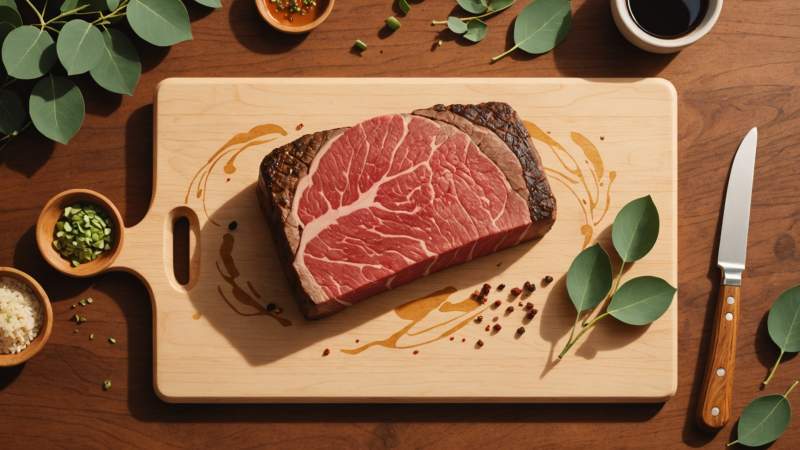
National Wagyu Day is celebrated annually on 21 June to honour the distinguished Japanese beef variety known for its exquisite marbling and melt-in-the-mouth texture. This day was established in 2022 to raise awareness about Wagyu’s heritage and the rigorous standards involved in its production.
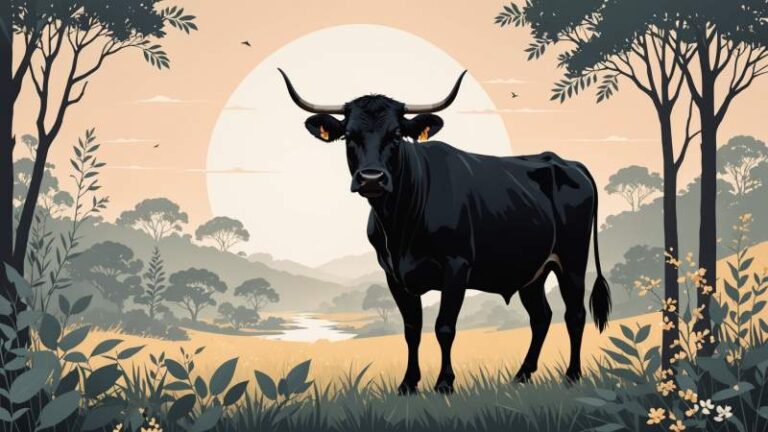
Wagyu, meaning ‘Japanese cattle’, encompasses several breeds native to Japan, including the highly esteemed Tajima strain, which is the source of Kobe beef. The beef is prized worldwide for its exceptional tenderness, rich flavour, and complex fat marbling.
Beyond Japan, Wagyu cattle have been introduced and bred in countries such as Australia and the United States, where they are crossbred with local breeds. Australian Wagyu, farmed primarily in Victoria and New South Wales, has gained international recognition and is exported to over 20 countries.
Date and Establishment of the Celebration
National Wagyu Day is officially observed on 21 June. The day was established in 2022, with 21 June 2022 being declared as National Wagyu Day. The inaugural celebration of this event took place in 2024. This first observance was sponsored by Steve Haddadin, marking the beginning of what is intended to be an ongoing annual recognition.
Australian Wagyu and Its Development
The development of Australian Wagyu has been marked by significant milestones since the early 1990s. The Australian Wagyu Association was established in 1990, laying the foundation for the breed’s cultivation and promotion within the country. In 1991, Australia imported Wagyu embryos directly from Japan, ensuring that the Australian Wagyu stock originates from authentic Japanese bloodlines. Today, Wagyu cattle are raised on farms primarily located in the states of Victoria and New South Wales, where conditions support the breed’s growth and quality.
Australian Wagyu is thus a product of Japanese lineage adapted to Australian farming environments. This unique heritage has enabled Australian Wagyu to gain international recognition, with exports reaching over 20 countries worldwide. A notable achievement in the breed’s development occurred in 2012 when Australian Wagyu was granted protected designation of origin status in Japan, underscoring its authenticity and quality. These developments highlight Australia’s role in the global Wagyu industry and the ongoing evolution of Wagyu breeding outside Japan.
Origin and History of Wagyu
Wagyu refers to beef derived from a breed of cattle native to Japan, with a genetic lineage that spans over 35,000 years. Historically, prior to the Meiji Restoration in 1868, cattle in Japan were primarily utilised for agricultural purposes rather than for meat consumption. It was only after this pivotal restoration that beef consumption began to gain popularity within Japanese society. Over time, the Japanese cattle population underwent significant changes, including crossbreeding with foreign breeds. By 1990, four principal Japanese cattle breeds had been officially recognised: Japanese Black, Japanese Brown, Japanese Polled, and Japanese Shorthorn. These breeds emerged as dominant following decades of crossbreeding between native Japanese cattle and imported foreign stock. In 1976, the influence of Wagyu genetics extended internationally when four Wagyu bulls were imported into the United States and crossbred with American Angus and Continental breeds. Recognising the cultural and agricultural significance of Wagyu, Japan declared it a national treasure in 1997 and subsequently imposed a ban on its export to preserve its heritage.
Breeds and Types of Wagyu
Wagyu encompasses several breeds of cattle, among which the Tajima strain is particularly esteemed. This specific strain is renowned for producing the famous Kobe beef. Kobe beef itself is a distinct type of Wagyu that originates from the Tajima strain raised in Kobe, Japan. It is important to note that while all Kobe beef is Wagyu, not all Wagyu qualifies as Kobe beef. This distinction highlights the diversity within Wagyu breeds and the special status of Kobe beef within this category.
Authenticity and Quality Standards
Authentic Japanese Wagyu is exclusively raised in Japan and is recognised for its genuine origin. Imported Japanese Wagyu is typically boneless and is always accompanied by a certificate of authenticity, ensuring its provenance. In contrast, American Wagyu is produced by crossbreeding authentic Japanese Wagyu with Angus cattle, distinguishing it from the pure Japanese breed. The quality and grading of Wagyu meat in Japan are strictly regulated by a system established in 1988 by the Japanese Meat Grading Association. This system sets comprehensive standards for yield and quality, granting Japan full control over the quality of Wagyu beef. The highest grade within this system is A5, which represents the best yield, marbling, colour, and texture, reflecting the pinnacle of Wagyu quality.
Characteristics and Quality of Wagyu Meat
Wagyu beef is renowned worldwide for its exceptional marbling and melt-in-the-mouth texture. This distinctive marbling, combined with the beef’s remarkable tenderness and rich flavour, positions Wagyu as one of the most sought-after types of beef globally. The unique quality of Wagyu meat is largely due to its high content of monounsaturated fats, which surpasses that found in other beef varieties. These soft fats have a low melting point, contributing to the beef’s remarkable texture and intense flavour profile. Additionally, Wagyu beef is richer in omega-3 and omega-6 fatty acids compared to other types of beef, enhancing its nutritional value. The premium price of Wagyu reflects the specialised breeding methods, extended feeding regimes, and strong market demand that underpin its production.
Care and Culture of Wagyu Breeding
Wagyu cattle are raised with exceptional care, receiving the highest quality feed and living in luxurious conditions to ensure their well-being. This meticulous approach extends beyond nutrition, as Wagyu are provided with superior medical care and even spa treatments, reflecting the dedication to maintaining their health and comfort. In Japan, the commitment to Wagyu breeding is celebrated every five years through a prestigious event known as the Wagyu Olympics. During this competition, participants vie in categories that assess both the quality of the meat and the improvement of the breed, highlighting the cultural importance and ongoing efforts to refine Wagyu cattle.
Significance and Purpose of the Celebration
National Wagyu Day is dedicated to celebrating the exquisite delicacy that is wagyu beef and aims to raise awareness about the rigorous authentication process that ensures its authenticity. The term “wagyu” itself holds cultural significance, as it literally translates to “Japanese cattle,” with “wa” meaning Japanese and “gyu” meaning cattle. This day serves not only as a tribute to the unique qualities of wagyu but also as an educational opportunity to inform the public about the strict standards that define genuine wagyu beef.