Food

  • International Chocolate Day

    International Chocolate Day, observed annually on 13 September, honours the cultural and historical significance of chocolate. Originating from ancient Mayan and Aztec civilisations, cocoa beans were once used as currency and for making traditional drinks. Chocolate became widely accessible after the Industrial Revolution, evolving into various types and popular treats worldwide. Australia recognises this day with special promotions, reflecting its own rich chocolate manufacturing history, including the longstanding Cadbury factory in Hobart.

  • World Vegetarian Day

    World Vegetarian Day is celebrated annually on 1 October to promote the benefits of vegetarianism for health, ethics, and the environment. Established in 1977 by the North American Vegetarian Society and supported by the International Vegetarian Union since 1978, the day marks the start of Vegetarian Awareness Month. Vegetarianism excludes animal products and has historical roots in ancient Asian religious traditions. Various vegetarian practices exist globally, and the day is observed with events such as discussions, cooking demonstrations, and festivals.

  • Global Smoothie Day

    Global Smoothie Day is observed annually on 3 October and was established in 2015 by health innovator and toxicologist Rhea Mehta. Smoothies are thick, creamy beverages made by blending various ingredients, often including fruits, vegetables, and protein sources. They can serve as a meal replacement or dietary supplement, providing vitamins, fibre, and protein. The day encourages people to learn about smoothies’ health benefits and to enjoy them in various ways.

  • Fiano Day

    Fiano Day is observed on the third Friday of October to celebrate the Fiano grape and its wines. Originating from southern Italy, Fiano is primarily cultivated in Campania and Sicily, with significant plantings in Australia, especially in McLaren Vale and Hunter Valley. The grape is known for its small berries, thick skins, and low yield, producing wines with intense aromas and flavours including pear, honey, and nutty notes. The day was established by Oliver’s Taranga winery in McLaren Vale, led by Corrina Wright, a prominent figure in Fiano winemaking.

  • World Bread Day

    World Bread Day is celebrated annually on 16 October, initiated by the International Union of Bakers and Confectioners. The day recognises bread as a vital food staple with deep historical roots dating back to the Neolithic era. It honours the diversity of bread-making traditions worldwide and its symbolic importance in various cultures and religions. The date coincides with the anniversary of the United Nations Food and Agriculture Organization’s establishment, highlighting efforts to combat hunger globally. In Australia, the day emphasises traditional damper bread and sustainable wheat farming practices.

  • World Pasta Day

    World Pasta Day is celebrated every year on 25 October, marking the founding congress of pasta producers in Rome in 1995. The day recognises pasta’s global popularity, with over 600 varieties and numerous preparation methods. Originating from ancient China and spreading through Europe, pasta is especially associated with Italy, known as its homeland. Nutritionally, pasta made from durum wheat is valued for its dietary fibre, vitamins, and minerals. The celebration promotes pasta appreciation worldwide, including in Australia where events and culinary activities are common.

  • Minced Meat Day

    Minced Meat Day is observed on 26 October and honours a traditional recipe over 500 years old. The original mince combined meat, chopped fruits, and distilled alcohol, seasoned with nutmeg and cinnamon. Historically used as pie filling, minced meat became a staple in Europe and is especially popular in Australia, the USA, and South Africa. The dish evolved over centuries, with variations including meatless versions and the addition of dried fruits. Minced Meat Day is widely celebrated, particularly during festive seasons.

  • World Vegan Day

    World Vegan Day was established on 1 November 1994 to commemorate the 50th anniversary of the Vegan Society and the term ‘vegan’. The term was coined by Donald Watson in 1944 when founding the Vegan Society in London. Veganism is a lifestyle excluding all animal products in diet and clothing, motivated by ethical concerns about animal welfare. In Australia, the day is marked by festivals, educational events, and activism in cities like Melbourne, Sydney, and Brisbane. The day concludes Vegetarian Awareness Month, which begins on 1 October.


  • International Gose Day

    International Gose Day is observed on 17 November to celebrate gose, a traditional German sour beer style originating from Goslar in the early 13th century. Gose is characterised by its tart, salty, and herbal flavours, achieved through the addition of coriander and salt, and a grain bill with at least 50% malted wheat. The style became popular in Leipzig by the 18th century and experienced decline in the 20th century before a revival starting in 1986. Today, gose is enjoyed worldwide, including in Australia where craft brewers incorporate local ingredients and flavours.

  • Cupcake Day Australia

    Cupcake Day Australia is an annual charity event organised by RSPCA Australia, held in August to raise funds for animal shelters through cupcake sales. The event encourages home and office baking and sharing of cupcakes and other cakes. Australian baking culture also embraces traditional Christmas fruitcakes, prepared weeks in advance and soaked in rum or brandy. These fruitcakes are a festive staple, often served with brandy butter or cream alongside other national desserts like lamingtons and pavlova. The event and traditions highlight the cultural significance of cakes in Australian celebrations and charity.

  • National Gravy Day

    Gravy Day is an unofficial Australian celebration held on 21 December, inspired by Paul Kelly’s 1996 song ‘How to Make Gravy’. The song, a Christmas classic, tells the story of a prisoner named Joe writing to his brother about missing the festive season and mentions a traditional meat gravy recipe. The day honours this cultural reference with social media memes, music listening, and recipe sharing. Gravy, a meat sauce thickened with flour or starch, is a staple in Commonwealth Christmas dinners. The song’s influence extended to a 2024 film adaptation featuring notable Australian actors.

  • Sodium Bicarbonate Day

    Sodium bicarbonate, commonly known as baking soda, is celebrated annually on 30 December. This white crystalline powder, with the chemical formula NaHCO3, has been used since ancient Egypt and was developed into soda ash by French chemist Nicolas Leblanc in 1791. It serves multiple purposes including baking, cleaning, deodorising, and health care. In Australia, sodium bicarbonate is approved as a food additive (E500) and widely used in households and the food industry.

  • World Shawarma Day

    World Shawarma Day is observed on 15 January to celebrate the popular meat dish consisting of grilled meat wrapped in flatbread with vegetables and sauces. Shawarma uses various meats such as chicken, beef, lamb, and pork, cooked on vertical rotating grills. The dish has historical roots linked to Lebanese manakish, Turkish döner kebab, and Greek gyros. Different countries have unique versions and names for shawarma, reflecting local tastes and ingredients. In Australia, the day is marked by tastings and festivals featuring both traditional and local adaptations.

  • World Cheese Lovers Day

    World Cheese Lovers Day is observed on 20 January to celebrate the rich history and diversity of cheese. Cheese production dates back thousands of years, with origins spanning multiple cultures and regions. The craft of cheesemaking flourished during the Middle Ages and continues to be a national treasure in many countries. Australia contributes significantly with over 400 cheese varieties, including award-winning artisan cheeses. Events worldwide include festivals, tastings, and workshops highlighting cheese’s cultural and culinary importance.

  • Hot Sauce Day

    Hot Sauce Day, observed on 22 January, celebrates the global appreciation of spicy sauces and the cultures that cherish them. The event features tastings, cooking workshops, and eating competitions centred on chilli-based sauces. Spicy peppers, rich in vitamins and minerals, are the key ingredient in these sauces. In Australia, local varieties like Bush Tucker peppers and Capsicum frutescens are used, with producers applying the Scoville scale to measure heat levels. The day highlights the culinary and cultural significance of hot sauces worldwide.

  • International Croissant Day

    International Croissant Day is observed annually on 30 January to celebrate the crescent-shaped pastry known for its flaky, layered texture and soft interior. Originating in Austria in 1683 and popularised in France in the early 19th century, the croissant has become a symbol of European culinary tradition. It is enjoyed worldwide with a variety of fillings, from savoury to sweet, and is often associated with morning meals and refined dining. The day encourages bakeries and enthusiasts to explore croissant-making, highlighting the pastry’s complex preparation and cultural importance.

  • Nutella World Day

    Nutella World Day is observed every 5 February, originating in 2007 from an idea by American blogger Sara Rosso. The day honours Nutella, a chocolate-hazelnut spread created in post-war Italy by Pietro Ferrero. Initially launched as Gianduja in 1946, the product evolved into Nutella by 1964. Celebrations include global events such as tastings, flash mobs, and concerts, with notable activities in Australia featuring markets, cooking classes, and special promotions.

  • Ice Cream Breakfast Day

    Ice Cream Breakfast Day is an informal holiday celebrated on the first Saturday of February. It began in the 1960s in the United States when Florence Rappaport served ice cream to her children for breakfast on a cold February day. The tradition grew from a family event to a wider cultural celebration, spreading internationally with the help of Rappaport’s descendants. Today, the day is marked by special promotions, charitable activities, and themed events, including in Australia where local fruits and community involvement add unique elements.

  • Potato Lovers Day

    Potato Lovers Day is an unofficial observance held on 8 February, also known as National Potato Lovers Day. It is celebrated mainly online within the English-speaking community and is gaining international recognition. The potato, native to South America, has been cultivated for 7,000 to 9,000 years and remains a vital food crop worldwide. Australia grows table potato varieties in temperate regions, contributing to both domestic consumption and export. The day highlights the potato’s cultural, agricultural, and culinary importance across many countries.

  • Syrah Grape Day

    International Syrah Grape Day is observed annually on 16 February to celebrate the Syrah grape, a prominent variety used in red wine production globally. Known as Shiraz in Australia and South Africa, this dark-skinned grape produces wines ranging from medium to full-bodied. The grape’s origins are linked to the Rhône region in France, with historical ties to the commune of Tain-l’Hermitage. Syrah is cultivated in many wine regions worldwide, including Australia, where Shiraz is a flagship variety with extensive plantings and distinctive styles.

  • Cabbage Day

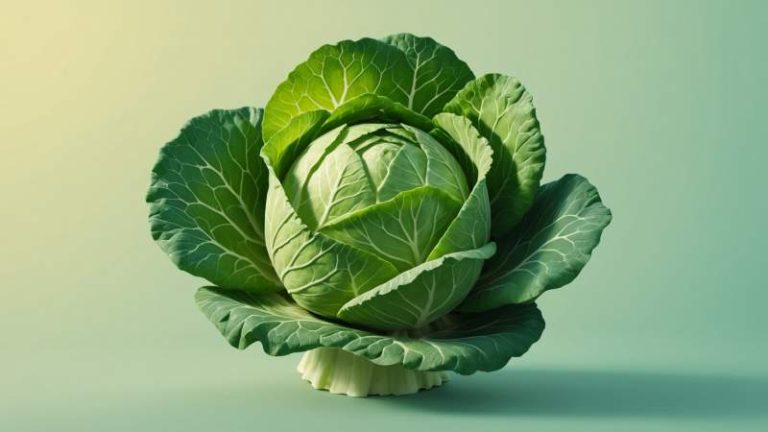
    Cabbage Day is observed every year on 17 February in many countries, recognising the importance of cabbage as a versatile and nutritious vegetable. Originating from ancient Egypt, cabbage was once considered a delicacy for the wealthy. It contains a wide range of vitamins, including vitamin U, and beneficial compounds such as sulforaphane and carotenoids. In Australia, cabbage is cultivated in several states and features prominently in local cuisine and agricultural education.