World Shawarma Day and Its Global Culinary Traditions
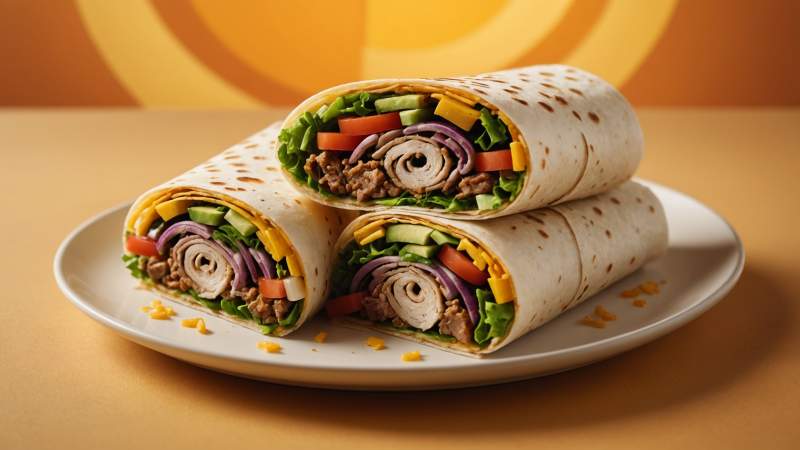
World Shawarma Day is celebrated annually on 15 January, recognising a beloved dish made from meat cooked on vertical grills and wrapped in flatbread with vegetables and sauces. Shawarma is enjoyed worldwide with many regional variations and names.
The dish’s origins trace back to Middle Eastern and Mediterranean cuisines, including Lebanese manakish, Turkish döner kebab, and Greek gyros. Shawarma typically features meats such as chicken, beef, lamb, or pork, sliced from a rotating spit.
In Australia, World Shawarma Day is marked by events in cities like Melbourne, Sydney, Brisbane, and Perth, where local communities and food vendors showcase traditional and innovative versions of shawarma, reflecting the country’s multicultural influences.
Date of the Celebration
World Shawarma Day is observed annually on the 15th of January. This specific date has been designated to honour the global appreciation of shawarma, marking a dedicated occasion for enthusiasts and culinary communities worldwide to recognise this popular dish. The choice of 15 January as the official date provides a fixed point in the calendar for celebrations and related activities centred around shawarma.
Celebrations in Australia
In Australia, World Shawarma Day on 15 January is marked by diverse and vibrant celebrations reflecting the country’s multicultural culinary landscape. Melbourne, renowned for its exceptional shawarma offerings, hosts large-scale tasting events that highlight the city’s rich Greek and Lebanese communities, which have significantly influenced local shawarma culture. Meanwhile, Sydney’s food trucks organise festivals featuring uniquely Australian versions of shawarma, incorporating native ingredients such as kangaroo, ostrich, and vegetables sourced from local farms. In Brisbane, a popular variation combines traditional Middle Eastern flavours with national tastes, offering shawarma filled with Vegemite and avocado. Perth’s school cafeterias also participate in the festivities by including shawarma in their menus, educating children on preparing healthier versions using chicken and fresh vegetables. Australian dietitians recommend choosing shawarma made with wholegrain lavash bread that is low in fat to help control calorie intake during the celebrations.
Origin and History of Shawarma
Shawarma’s origins can be traced back to several historical predecessors, including the Lebanese manakish, the Turkish döner kebab, and the Greek gyros. The distinctive vertical grill used for cooking the meat, which is a hallmark of shawarma preparation, first appeared in the mid-19th century. The dish gained popularity in Europe after the Second World War, largely due to Turkish immigrants settling in Germany. In the United States, shawarma became known in the 1970s under the name gyros, introduced by Greek immigrants. The term “shawarma” itself may derive from the Turkish word “çevirme,” meaning “to turn or wrap,” or from the Arabic verb “shawa,” which means “to grill or roast over fire.” These linguistic roots reflect the cooking method and the cultural exchanges that shaped the dish’s development.
Preparation and Ingredients of Shawarma
Shawarma is a dish consisting of meat roasted on a vertical spit, wrapped in flatbread such as lavash or pita, accompanied by vegetables and sauces. The preparation involves cooking various types of meat, including chicken, turkey, veal, beef, lamb, mutton, or pork. The meat is slowly roasted on rotating vertical grills, allowing it to cook evenly and develop a distinctive flavour. Once cooked, the meat is sliced into small pieces before being assembled with the bread and other ingredients to create the final shawarma wrap.
Regional Variations and Names
Shawarma, a beloved dish enjoyed worldwide, exhibits notable regional variations in both its preparation and nomenclature. In Turkey, the dish known as döner kebab traditionally features marinated lamb or beef, reflecting local culinary preferences. Across America and Europe, shawarma is more versatile, often incorporating various types of meat, including poultry. The Middle Eastern countries of Lebanon and Syria serve shawarma accompanied by pickled cucumbers and garlic sauce, adding a distinctive tangy and aromatic flavour.
In Greece, the dish is referred to as gyros and is uniquely enhanced with French fries and a yogurt-based sauce containing cucumber and garlic, offering a creamy contrast to the meat. Armenian shawarma, known locally as karsi-khorovats or kars, includes additions such as boiled eggs, fresh herbs, and cheese, highlighting the region’s rich culinary traditions. Israel presents shawarma on unleavened flatbread, complemented by vegetables, French fries, hummus, tahini, or mango sauce, showcasing a diverse range of accompaniments.
The terminology for shawarma also varies significantly across regions. In Azerbaijan, it is called döner, while in Algeria, the dish is known as denér. Belgium refers to it as pita-dürüm, and in the United Kingdom, France, and Germany, the terms döner kebab or kebab are commonly used. These regional names and ingredient variations underscore the global adaptation of shawarma, reflecting local tastes and cultural influences.
Health and Safety When Consuming Shawarma
Frequent consumption of shawarma can lead to digestive disturbances, making it important for consumers to be mindful of their intake. Individuals with certain health conditions, including diabetes, cardiovascular diseases, atherosclerosis, and disorders of the pancreas and liver, are advised to avoid eating shawarma due to potential health risks. Additionally, improper sanitary practices during the preparation of shawarma may result in adverse effects for consumers, highlighting the necessity of strict hygiene standards. To ensure control over ingredient quality and safety, some people choose to prepare shawarma at home, thereby reducing the risk associated with external food sources.