Cupcake Day Australia and Traditional Fruitcake Celebrations
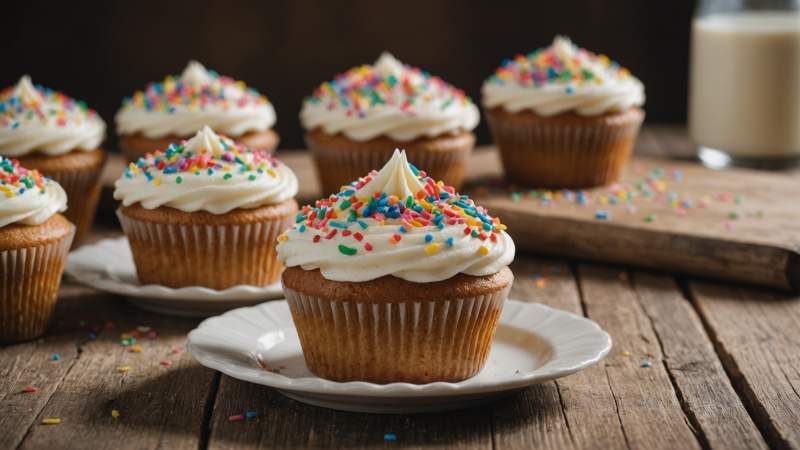
Cupcake Day Australia is a yearly charitable occasion dedicated to supporting RSPCA Australia. It takes place on a Monday in August and involves widespread baking and sharing of cupcakes to raise funds for animal welfare.
Participants bake and sell cupcakes and other cakes to friends, family, and colleagues, with proceeds going directly to RSPCA Australia for the rescue and care of animals. This event reflects the strong community spirit and love for baking in Australia.
Alongside Cupcake Day, traditional Christmas fruitcakes hold a special place in Australian festive culture. These dense, dark cakes are rich with dried fruits and alcohol, prepared weeks ahead to develop flavour and moisture, often enjoyed with brandy butter or cream during holiday celebrations.
Date of the Celebration
Cupcake Day is celebrated annually on the 15th of December. This fixed date marks the occasion each year, providing a consistent point in the calendar for recognising and observing the event. The annual recurrence on this specific day allows for widespread participation and anticipation among those who observe Cupcake Day.
Cupcake Day in Australia and Charity
Cupcake Day in Australia, also known as RSPCA Cupcake Day, is an annual charitable event dedicated to supporting RSPCA Australia. Traditionally held on a Monday in August, this day serves as an opportunity for widespread home and office tea gatherings featuring cupcakes and other types of cakes. Participants bake and sell these treats to colleagues, friends, and neighbours, with all proceeds donated to RSPCA Australia. The funds raised contribute directly to the rescue, treatment, and rehoming of animals in need. The term “RSPCA Cupcake Day” is widely used across Australia, highlighting the event’s charitable nature and its connection to animal welfare. Since the mid-2000s, the popularity of cupcakes has surged in Australia, coinciding with the emergence of specialised bakeries such as The Cupcake Queens in Melbourne, which have helped to foster a culture of cupcake appreciation that supports this philanthropic cause.
History and Spread of Cupcakes
The earliest references to cupcakes can be traced back to Ancient Rome, where bread was filled with dried fruits, nuts, and honey. This early form of sweetened bread laid the foundation for what would evolve into various types of cakes over the centuries. During the Middle Ages, cupcake recipes gained popularity in England, reflecting the growing appreciation for baked goods enriched with fruits and spices. By the nineteenth century, these recipes had spread throughout Europe, adapting to regional tastes and ingredients. The Christmas cake, a particular variety of cupcake, became especially popular during the holiday season. It was traditionally baked with spices, dried fruits, and alcohol, contributing to its rich flavour and festive character. In some countries, the preparation of Christmas cake began several weeks before Christmas to allow the flavours to mature and develop fully. This historical progression highlights the enduring appeal and cultural significance of cupcakes across different eras and regions.
Cupcakes in Australian Tradition
In Australian confectionery culture, alongside cupcakes and muffins, traditional Christmas fruitcakes hold a significant place. Following British customs, these fruitcakes are baked well in advance and infused with rum or brandy to enhance their flavour and preserve moisture. Typically, the Australian Christmas fruitcake is a dense, dark cake rich in dried fruits and alcohol, capable of being stored for several weeks. Many Australian families prepare their Christmas fruitcake four to five weeks before the holiday, regularly ‘feeding’ it with rum or brandy to maintain its aroma and moist texture.
On the Australian Christmas table, fruitcakes and fruit pies often appear alongside other beloved traditional desserts such as lamingtons and pavlova. The lamington, regarded as Australia’s national cake, consists of sponge cake cubes coated in chocolate icing and desiccated coconut. In Australian tradition, Christmas fruitcakes and pies are frequently given as gifts, symbolising the sharing of joy and festive spirit among family and friends. These fruitcakes are commonly served with brandy butter or cream, further enhancing their celebratory character and making them a cherished part of Australia’s holiday dessert repertoire.
Varieties and Characteristics of Cupcakes
Cupcake Day celebrates cupcakes as popular sweet treats enjoyed worldwide, each with unique national preparation styles. The range of cupcakes is diverse, encompassing various types such as muffins, scones, simnel cakes, fruitcakes like mulled fruitcake, stollen, and classic cupcakes. These baked goods differ significantly in shape and size, with some being large and others quite small. Ingredients and fillings also vary; cupcakes may include raisins or nuts, and their fillings can be evenly distributed throughout the cake or exist as a liquid centre. This diversity highlights the rich variety and distinctive features that cupcakes possess across different cultures and recipes.
Cupcake Preparation and Storage
Cupcakes are known for their ease of preparation and their ability to be stored for extended periods. Achieving a soft and airy texture requires careful handling of the batter; it is important not to overmix the dough to maintain its lightness. Using high-quality ingredients such as butter, flour, and baking powder is essential to ensure the best results. Aromatic spices like cinnamon, nutmeg, and vanilla are commonly added to enhance the flavour profile of cupcakes. Baking should be done in a well-preheated oven to allow the cupcakes to rise evenly, resulting in a consistent and appealing texture throughout.
Cupcakes and the Festive Atmosphere
Cupcakes are often closely associated with a sense of warmth and comfort, evoking images of cosy home gatherings and intimate family celebrations. Their presence at such occasions contributes significantly to the overall festive atmosphere, enhancing moments of togetherness and shared enjoyment. The simple pleasure of enjoying cupcakes during a home tea party or a family event underscores their role not just as a sweet treat, but as a symbol of conviviality and domestic harmony.