Minced Meat Day: Historical and Cultural Overview
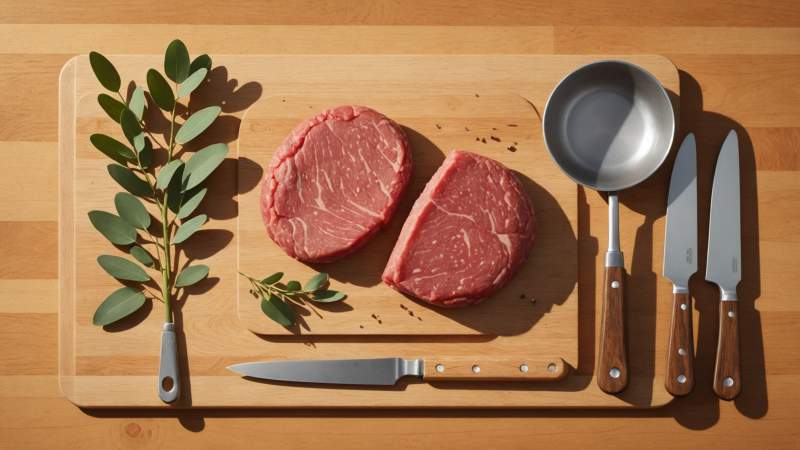
Minced Meat Day is celebrated annually on 26 October, recognising a culinary tradition that dates back more than five centuries. The original recipe for minced meat included a unique blend of chopped fruits, meat, and distilled alcohol, seasoned with spices such as nutmeg and cinnamon.
Historically, minced meat was used as a filling for pies and was a common dish in old rural European households. Over time, the recipe evolved to include ingredients like raisins, apples, and candied lemon peel, and even meatless versions became popular as healthier alternatives.
Today, minced meat remains a significant part of culinary culture in countries like Australia, the United States, and South Africa. It is especially associated with festive occasions and traditional foods such as Australian meat pies and holiday celebrations.
Date and Spread of the Celebration
Minced Meat Day is celebrated annually on 26 October. The exact origins of this day remain unknown, with no clear record of how or why it was initially established. However, it is known that Minced Meat Day was officially instituted in the 2000s. Since then, the celebration has gained considerable popularity, being widely observed not only in the United States but also across the globe. This international recognition highlights the day’s growing significance as a dedicated occasion to acknowledge minced meat.
Minced Meat in Australia
In Australia, minced meat holds a prominent place as the essential filling of the iconic Australian meat pie, a staple of the nation’s fast food culture. On average, each Australian consumes approximately twelve minced meat pies annually, underscoring the dish’s widespread popularity. The tradition extends to major sporting events, where minced meat pies are a customary snack for fans, particularly during the final of the Australian Football League. A distinctive regional variation is found in South Australia with the “Pie Floater,” a unique dish featuring an inverted minced meat pie served in a bowl of pea soup. Additionally, Australian minced meat pies are commonly enjoyed with tomato sauce, often served directly from the bottle at street food stalls, highlighting the casual and accessible nature of this beloved culinary item.
History and Evolution of the Recipe
The original minced meat recipe dates back over 500 years, emerging around the year 1500 AD. During this period, bakers began preserving meat using a combination of spices and chopped fruits, marking the inception of what would become the traditional minced meat dish. In the 15th century, this preservation method commonly involved the use of fruits and spices, which were integral to the recipe’s distinctive flavour profile.
The original formulation included a mixture of chopped fruits, meat, and distilled alcohol. In the Middle Ages, ingredients such as nuts, cloves, mace, and cinnamon were widely employed, contributing to the complex seasoning of the minced meat. Nutmeg and cinnamon remain key spices in the recipe to this day. The fruits used in the recipe correspond closely with those found in many traditional fruitcakes, highlighting a shared culinary heritage.
Initially, fermentation was achieved using vinegar and wines, but by the 1800s, distilled spirits and brandy became the preferred agents for preparation. The 19th century saw the addition of raisins, apples, and candied lemon peel to the recipe, enriching its texture and taste. Notably, apple-based minced meat prepared without any meat was regarded as a healthier and more hygienic alternative.
By the 20th century, the term “minced meat” expanded to include any similar dish, even those lacking meat entirely. In the 1900s, meat was removed from the recipe altogether, and any dish resembling the traditional preparation was still referred to as minced meat. This evolution reflects the recipe’s adaptability and enduring cultural significance over centuries.
Preparation and Traditions
Minced meat has long been a fundamental ingredient in the preparation of pies, serving as a rich and flavourful filling. These minced meat pies were traditionally crafted with care, often involving specific customs believed to enhance both the culinary experience and the household’s well-being. One such tradition held that the pies should be stirred clockwise during preparation; stirring counterclockwise was thought to bring misfortune. Furthermore, it was customary for every family member to participate in mixing the pies, a practice believed to foster joy and happiness within the home.
The preparation of minced meat for these pies was not merely about combining ingredients but also involved a process of ageing the meat. This ageing allowed the proteins in the minced meat to break down, intensifying the flavour and altering the texture to create a more desirable filling. When properly preserved, minced meat could be stored for approximately two to three years, ensuring its availability for extended periods.
Historically, the earliest pies were oval-shaped, symbolising the cradle of the infant Jesus, linking culinary tradition with religious symbolism. The use of spices such as clove and cinnamon in these pies also carried significant meaning, as these were among the gifts presented by the Magi to the newborn Jesus. Additionally, it was believed that consuming minced meat pies daily throughout the twelve days of Christmas would promote good health, intertwining the dish with festive customs and seasonal observances.
Cultural Significance and Celebrations
Minced meat holds a notable place in European culinary traditions, where it has long been regarded as a staple food, especially prevalent in traditional rural households. In England, minced meat carries a particular cultural weight as a customary Christmas treat, reflecting its integration into festive customs. Its popularity extends throughout the holiday season, underscoring its role as a celebratory dish. Additionally, minced meat is commonly served during Thanksgiving, often accompanied by cheese or apple pie, further highlighting its significance in seasonal festivities and communal gatherings.