Bald and Free Day: History and Significance of Baldness
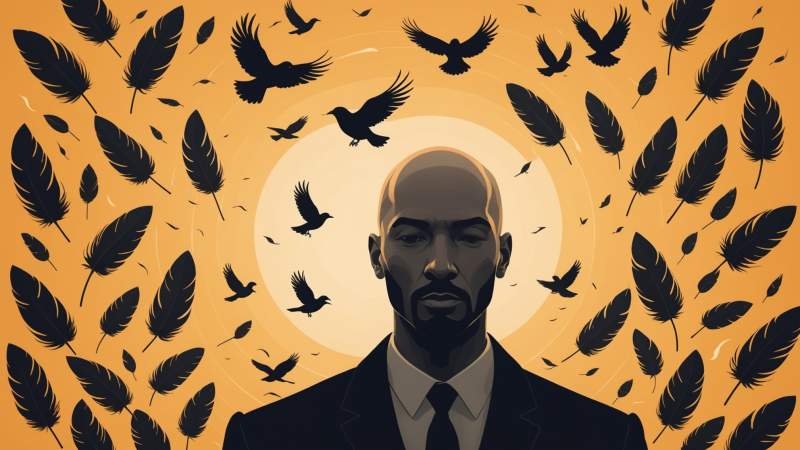
Bald and Free Day is celebrated annually on 14 October to honour bald people and encourage self-confidence. The day recognises the cultural and historical importance of baldness across different societies.
Shaving the head has ancient origins, with Stone Age people using shells and tweezers, and Egyptians and Romans shaving heads for climate and ritual purposes. The practice has evolved into a symbol of strength and masculinity.
Founded by Thomas and Ruth Roy, the day also supports those experiencing hair loss due to medical conditions. In Australia, it is associated with cancer awareness and community events promoting pride in baldness.
Date and Origin of the Holiday
Bald and Free Day is celebrated annually on 14 October. The exact date of the first observance of this holiday remains unknown. However, it was during the 1980s that Thomas and Ruth Roy advocated for recognising 14 October as Bald and Free Day. The holiday was founded by Thomas and Ruth Roy, who are also the founders of Wellcat Herbs. Their initiative established a specific day dedicated to this celebration, marking its significance and providing a fixed date for annual observance.
Celebrations and Traditions in Australia
In Australia, Bald and Free Day is marked by the symbolic act of head shaving to support the World’s Greatest Shave, a charity event dedicated to cancer research. This modern practice resonates with deeper cultural roots, as Australian Aboriginal peoples have traditionally shaved their heads using shells and stones during cleansing rituals. The celebration has also taken on a festive character in urban centres such as Sydney, where annual festivals honour bald men with competitions to crown the shiniest head. The significance of baldness in Australia is further underscored by the prevalence of alopecia, which affects approximately 2% of the population, with a higher incidence among women in Tasmania. The image of confident baldness has been popularised by figures like Gary “Baldy” Hunt, an Australian surfer who emerged as a national symbol of self-assured bald men during the 1990s.
History and Ancient Traditions of Head Shaving
The practice of head shaving has deep historical roots, dating back to approximately 4000 BCE when Stone Age people used sharpened mollusc shells and tweezers to shave their heads and beards. This early method of hair removal highlights the significance of grooming even in prehistoric times. In ancient civilizations such as Egypt and Rome, head shaving was widespread, largely influenced by the hot climate which made maintaining a shaved head practical and comfortable. The Egyptians advanced the craft by creating shaving tools from precious metals like gold and copper, reflecting both the cultural importance and the technological innovation of the time. In Rome, by 27 CE, priests engaged in ritualistic head shaving using specialized instruments such as novacula blades and pumice stones, indicating a ceremonial dimension to the practice. Similarly, Australian Aboriginal peoples have traditionally incorporated head shaving into cleansing rituals, employing shells and stones as tools. These diverse ancient traditions underscore the multifaceted role of head shaving across cultures, encompassing practical, spiritual, and social aspects.
Medical and Scientific Aspects of Baldness
Baldness is predominantly hereditary, with approximately 80% of cases attributed to genetic factors. Historically, the understanding of baldness has evolved significantly. In 1897, it was mistakenly believed that a microbe was responsible for hair loss; however, this theory was later disproven. One specific condition, alopecia areata, is known to cause a receding hairline and irreversible bald patches. Clinically, baldness becomes noticeable when more than 50% of the scalp hair is lost. Ancient medical practices also addressed baldness, as evidenced by the Egyptians who employed a peculiar mixture for treatment, consisting of nail shavings, ground mice, horse teeth, and bear fat. These historical and scientific insights highlight the complexity of baldness from both a medical and cultural perspective.
Social Significance and Support for Bald People
Bald and Free Day is dedicated to bald individuals and aims to boost their confidence. Hair loss can often lead to body dysmorphia and low self-esteem, making the social support surrounding this condition particularly important. Various campaigns have been established to support men experiencing baldness, emphasising that losing hair is not something to be ashamed of. Additionally, shaving heads has become a symbolic act of solidarity with cancer patients who lose their hair due to treatment, further highlighting the communal and empathetic aspects of this day. Through these efforts, Bald and Free Day fosters a positive social environment that encourages acceptance and pride among bald people.
Fashion and Perception of Bald Men
The perception and fashion surrounding bald men have evolved significantly over the decades. In the late 1950s, baldness emerged as a fashionable trend, marking a shift in societal attitudes towards shaved heads. During the 1950s, numerous celebrities embraced the bald look, contributing to its growing popularity. This trend reached its peak in the 1990s, largely influenced by prominent figures such as Michael Jordan, Evander Holyfield, and Bruce Willis, who popularised the clean-shaven head style. Bald men have often been perceived as more masculine, confident, strong, and disciplined, traits that have enhanced the appeal of this look. Supporting this perception, a notable 44% of women aged 35 to 45 consider bald men to be more attractive, reflecting a positive shift in societal attitudes towards baldness.
Practical Uses of Head Shaving
Head shaving serves practical purposes beyond aesthetic or cultural reasons, particularly in the realm of sports. Athletes such as swimmers and runners often shave their heads to reduce resistance during performance. By eliminating hair, these sportspeople aim to minimise drag and improve aerodynamics or hydrodynamics, which can contribute to enhanced speed and efficiency. This functional approach to head shaving highlights its role as a strategic choice in competitive environments, where even marginal gains can be significant.