Nature

  • World Dolphin Day

    World Dolphin Day is observed annually on 12 September to highlight the need for increased protection and support for dolphins. Established in 2022 by Sea Shepherd Global, the day commemorates the largest recorded dolphin killing on the Faroe Islands in 2021. Dolphins, aquatic mammals within the infraorder Cetacea, face threats primarily from human activities such as hunting, bycatch, pollution, and habitat destruction. In Australia, dolphins receive comprehensive legal protection under federal and state laws, including the Australian Whale Sanctuary and specific bycatch reduction programs.

  • Koala Conservation Day

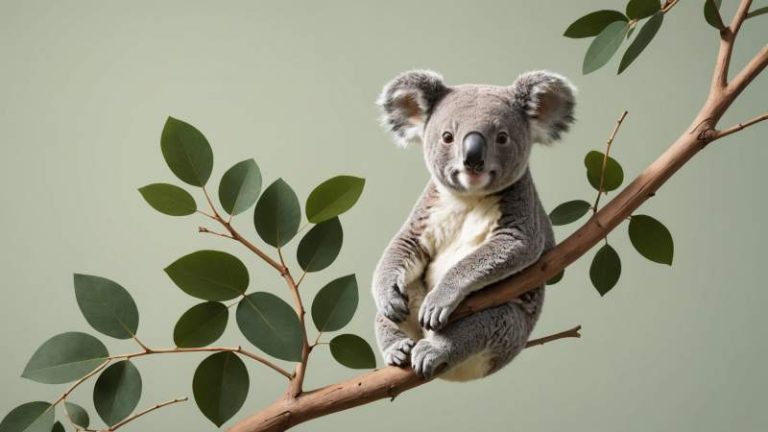
    Koala Conservation Day is observed annually on the last Friday of September in Australia to highlight the threats facing koalas and the need to conserve their habitats. Koalas are tree-dwelling marsupials native to coastal regions of eastern and southern Australia, including New South Wales, Queensland, South Australia, and Victoria. Classified as vulnerable by the IUCN, koalas face habitat loss, dog attacks, vehicle collisions, bushfires, droughts, and climate change impacts. The day was established in 2008 by the Australian Koala Foundation, a non-profit organisation dedicated to koala conservation. Activities include supporting conservation efforts, symbolic adoptions, and educational initiatives.

  • International Rabbit Day

    International Rabbit Day is observed annually on the last Saturday of September to promote the welfare and protection of both domestic and wild rabbits. Established in 1998 by the UK-based Rabbit Charity, the day aims to raise awareness about the care needs of rabbits and the importance of providing safe shelter. Rabbits face threats from viral diseases and predators, making their protection vital. In Australia, rabbits were introduced in the late 18th century and have since become a significant ecological concern, leading to various control measures and legal regulations.

  • World Animal Protection Day

    World Animal Protection Day is observed annually on 4 October to raise awareness about the care and protection of animals worldwide. Established in 1931 during an international nature conservation congress in Florence, Italy, the day honours Saint Francis of Assisi, the patron saint of animals. It highlights the importance of respecting all living creatures, including domestic, wild, and endangered species, and emphasises the role of animals in maintaining ecological balance. Various activities such as seminars, exhibitions, and advocacy events are held to promote compassion and legislative improvements for animal welfare.

  • International Animal Remembrance Day

    International Animal Remembrance Day, observed on 6 November, commemorates animals that have died as a result of human activities. The day recognises the service animals have provided to humans, including in agriculture, warfare, and scientific research. It highlights the impact of human actions such as habitat destruction, hunting, and illegal trade on wildlife populations. In Australia, conservation groups use this day to raise awareness about endangered species and promote responsible treatment of domestic and wild animals. The observance encourages reflection on human responsibility towards the natural world.


  • Poinsettia Day

    Poinsettia Day is observed annually on 12 December, commemorating the plant’s introduction to the United States by Joel Roberts Poinsett. Native to tropical Mexico and Central America, the poinsettia is widely recognised as a Christmas symbol due to its vibrant coloured bracts resembling stars. The plant’s flowering period spans from December to March, and it is popular in Australia as a festive decoration despite the summer season. Australian horticulture continues to develop new varieties with diverse bract colours, supporting its role in seasonal celebrations.

  • International Monkey Day

    International Monkey Day is an unofficial celebration dedicated to monkeys and other primates, originating as a student joke in 2000. It highlights the diversity of over 400 primate species found across tropical and subtropical regions globally. The day is marked by educational programmes in zoos and conservation efforts, including activities in Australian zoos such as Melbourne and Taronga. Animal advocates use the occasion to raise awareness about threats to primates, including habitat loss and wildlife trade. The event combines humour and education to engage the public, especially children, in learning about primate behaviour and conservation.

  • International Zebra Day

    International Zebra Day is observed annually on 31 January to raise awareness about the conservation status of zebras. There are three species of zebras: the plains zebra, mountain zebra, and Grevy’s zebra, each facing different levels of threat. Zebras inhabit diverse environments across Africa and face threats such as habitat loss, hunting, and competition with livestock. Conservation efforts include protected areas in several African countries and global support from organisations, including those in Australia. The day also originated to raise awareness of Ehlers-Danlos syndrome, with the zebra symbolising rare diagnoses.

  • World Marine Mammal Protection Day

    World Marine Mammal Protection Day, observed on 19 February, is dedicated to the conservation of whales and all marine mammals. Established in 1986 following the International Whaling Commission’s moratorium on commercial whaling, the day aims to raise awareness about the threats facing 119 species of marine mammals. Despite protections, many species remain endangered due to human activities such as fishing, pollution, and industrial noise. Conservation efforts include scientific research, marine reserves, and public campaigns to safeguard these vital oceanic species.

  • Dog Walking Day

    Dog Walking Day, observed annually on 22 February, emphasises the necessity of regular walks for dogs and their owners. Walks provide essential physical exercise, social interaction, and strengthen the bond between dogs and humans. They also offer health benefits such as improved cardiovascular fitness and reduced stress for owners. In Australia, initiatives like RSPCA’s Walkies Week and events like Doggy Day Out in Sydney promote these practices. Legislation in New South Wales mandates daily dog walks to prevent obesity.

  • Horse Protection Day

    Horse Protection Day is observed annually on 1 March to highlight the welfare challenges faced by horses and to promote their protection from abuse, neglect, and exploitation. Established in 2005 by animal expert Colin Page, the day encourages rescue, rehabilitation, and rehoming efforts. The event draws attention to issues such as inadequate nutrition, poor veterinary care, and harsh treatment in both domestic and wild horses. It also recognises the historical and cultural significance of horses and supports humane management practices globally, including in Australia.

  • World Wildlife Day

    World Wildlife Day, observed on 3 March, was established by the UN General Assembly in 2013 to raise awareness about wild fauna and flora. The date commemorates the adoption of the CITES treaty in 1973, which regulates international trade in endangered species. Over 185 countries participate in CITES, protecting thousands of animal and plant species. The day highlights the urgent need to combat wildlife crimes and preserve biodiversity, which is vital for ecological, economic, and social sustainability. Australia, a CITES signatory since 1976, actively participates in conservation efforts, including protecting native species and marine ecosystems.

  • World Pineapple Day

    World Pineapple Day is observed annually on 12 March to recognise the pineapple, an exotic tropical fruit valued worldwide for its sweet flavour and health benefits. Originating from the Mato Grosso plateau on the Brazil-Paraguay border, pineapples grow as herbaceous plants with large, moisture-retaining leaves. The fruit develops from multiple fused berries and contains the enzyme bromelain, known for its anti-inflammatory properties. Pineapples are cultivated globally where climate permits, including significant production in Queensland, Australia.

  • World Sparrow Day

    World Sparrow Day is observed annually on 20 March to promote awareness about the protection of sparrows, especially the house sparrow. Initiated by the Nature Forever Society of India and Eco-Sys Action of France, the day provides a platform for ornithologists and bird conservationists to share ideas. House sparrows face threats from habitat loss, pesticides, and urbanisation. The day encourages global participation in sparrow conservation efforts and highlights the importance of common urban birds.

  • World Water Day

    World Water Day is observed annually on 22 March as an international day designated by the United Nations. Established in 1993 following the 1992 UN Conference on Sustainable Development, it aims to raise awareness about water-related challenges such as droughts, floods, and access to safe drinking water. Each year, a specific theme guides global activities coordinated by UN agencies. In Australia, the day is recognised federally and supports national policies on sustainable freshwater use, with educational and community events highlighting water conservation and management.

  • Declawing Awareness Day

    Declawing Awareness Day is observed annually on 29 March to raise awareness about the practice of cat declawing, also known as onychectomy. This surgical procedure involves amputating the last joint of a cat’s toes, which can lead to serious complications such as chronic pain, behavioural issues, and arthritis. Declawing is banned or restricted in over 20 countries, including Australia, the UK, and parts of North America. The day promotes education on the consequences of declawing and encourages humane alternatives like regular claw trimming and providing scratching posts.

  • World Aquatic Animals Day

    World Aquatic Animals Day is observed annually on 3 April to raise awareness about the challenges faced by aquatic species in marine and freshwater environments. Initiated by the Lewis & Clark College Law School in Portland, the day focuses on issues such as pollution, plastic waste, and overfishing that threaten aquatic animals. These animals include fish, molluscs, corals, marine mammals, and waterfowl, many of which depend entirely or partially on aquatic habitats. The event promotes global participation and highlights the importance of protecting aquatic ecosystems.

  • World Rat Day

    World Rat Day is celebrated every year on 4 April to highlight the uniqueness of pet rats and unite enthusiasts globally. Established in 2003 by American rat breeders, the date marks the launch of the oldest online resource for pet rats, ratlist. The day aims to dispel misconceptions about rats by showcasing their intelligence, sociability, and importance. In Australia, the event supports conservation programs for native rat species and promotes the activities of local rat enthusiast clubs. Celebrations include festivals, exhibitions, and educational events emphasising the value of rats as companion animals and wildlife.

  • World Hamster Day

    World Hamster Day is celebrated every 12 April to recognise hamsters, small rodents belonging to the subfamily Cricetinae. There are nineteen species of hamsters, with four commonly kept as pets: the golden hamster, Campbell’s dwarf hamster, Roborovski hamster, and winter white dwarf hamster. Syrian hamsters, originating from a single litter caught in 1930, are solitary and territorial animals. Proper care for hamsters includes suitable housing, diet, and enrichment to meet their specific needs. The day encourages responsible pet ownership and support for animal rescue organisations.

  • International Bat Awareness Day

    International Bat Awareness Day is observed annually on 17 April to raise awareness about the ecological importance of bats and to dispel negative stereotypes. Bats belong to the mammalian order Chiroptera, the second largest after rodents, and are the only mammals capable of true flight. With around 1400 species worldwide, bats play vital roles in insect control, pollination, and seed dispersal. Many species face threats such as habitat loss, pollution, and collisions with wind turbines, making conservation efforts essential.

  • International Flamingo Day

    International Flamingo Day is observed annually on 26 April to promote awareness and conservation of the six flamingo species worldwide. Established in 2020 by the Flamingo Specialist Group, the day honours the birthday of John James Audubon, who illustrated the red flamingo in his book ‘Birds of America’. The celebration highlights the differences among flamingo species, their habitats, and the importance of wetland conservation. Flamingos belong to the family Phoenicopteridae, comprising three genera and six species native to the Americas and Afro-Eurasia. The day also emphasises the role of global networks and organisations in protecting these iconic birds.