Nature

  • Guerrilla Gardening Day

    International Guerrilla Gardening Day is observed on 1 May, encouraging participants to cultivate sunflowers or suitable alternative plants in their regions. Guerrilla gardening involves growing plants on land without legal permission, often on neglected or abandoned sites, aiming to enhance environmental quality and aesthetics. The practice has historical roots with figures like Gerrard Winstanley and John Chapman and was popularised by the Green Guerrilla group in 1973. This day was established in 2007 by gardeners in Brussels and is recognised in over 30 countries, including Australia, where local adaptations and legal initiatives coexist with the guerrilla gardening spirit.

  • Wild Koala Day

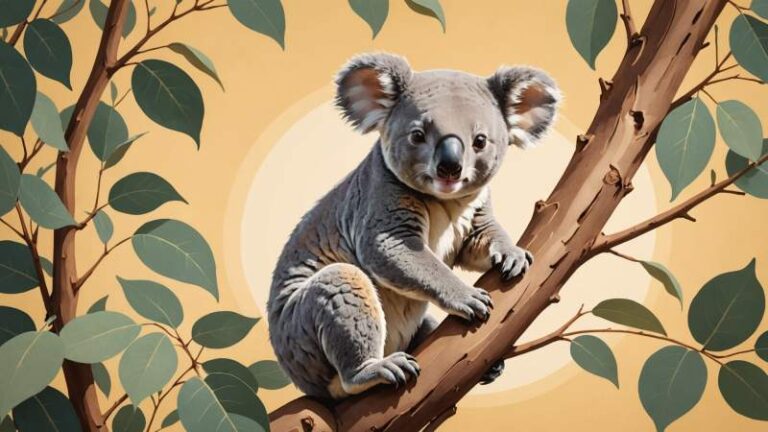
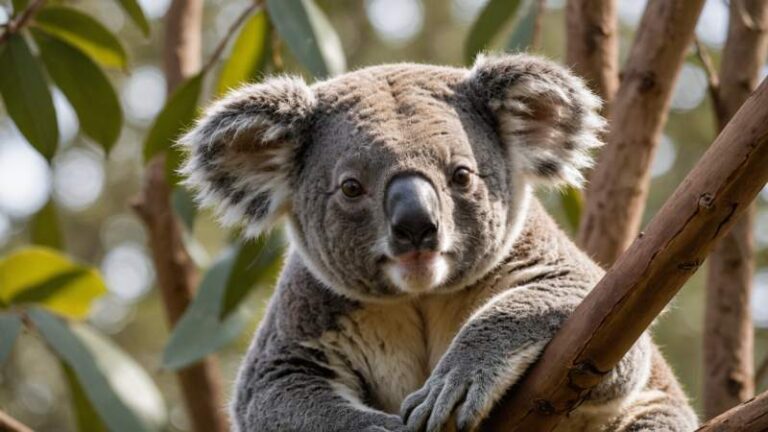
    Wild Koala Day is observed annually on 3 May in Australia to highlight the importance of conserving wild koalas. Established in 2016 by independent koala conservation groups, the day promotes awareness of koalas’ unique biology and the threats they face. Koalas are arboreal marsupials native to coastal regions of eastern and southern Australia, primarily feeding on eucalyptus leaves. The species is listed as vulnerable due to habitat loss, urbanisation, and other environmental pressures. Activities on Wild Koala Day include tree planting, fundraising, and educational events to support koala protection.

  • Chihuahua Appreciation Day

    International Chihuahua Appreciation Day is observed annually on 14 May to celebrate the Chihuahua dog breed. Originating from the Mexican state of Chihuahua, this breed is known as the smallest recognised dog breed by some kennel clubs. The breed descends from the ancient Techichi dogs bred by the Toltec culture. The day was established by Nadia Alterio in 2011 to honour her Chihuahua and promote the breed worldwide. In Australia, Chihuahuas are popular urban pets, with local clubs and veterinary organisations supporting their care and health.

  • World Bee Day

    World Bee Day is celebrated annually on 20 May to recognise the essential role of bees in pollination and agriculture. Established by the United Nations General Assembly in 2017, the date honours Anton Janša, a pioneer of modern beekeeping. Bees contribute significantly to the pollination of crops and wild plants, supporting food production and biodiversity. The day raises awareness of threats to pollinators and promotes sustainable agricultural practices to protect them.

  • World Turtle Day

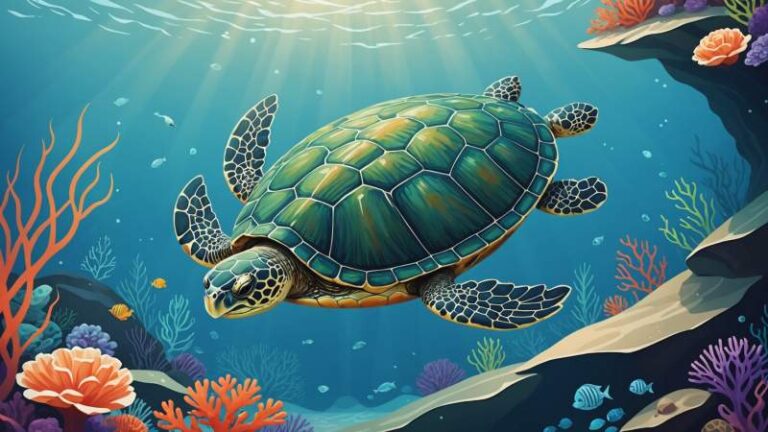
    World Turtle Day is observed annually on 23 May to highlight the conservation needs of turtles worldwide. Established in 2000 by the American Tortoise Rescue, the day focuses on threats such as habitat destruction, accidental capture, climate change, and plastic pollution. Marine turtles have existed for over 100 million years but face increasing risks, with several species listed as endangered or vulnerable. In Australia, World Turtle Day supports local conservation initiatives, including habitat protection and community volunteer programs.

  • World Environment Day

    World Environment Day is an annual event established by the United Nations in 1972 to raise global awareness about environmental issues and encourage political and social action. Celebrated on 5 June, the date marks the start of the 1972 Stockholm Conference on the Human Environment. The day highlights critical challenges such as ecosystem degradation, climate change, and pollution, urging societies to adopt sustainable and inclusive approaches. Activities worldwide include tree planting, clean-ups, and advocacy campaigns, with Australia playing a significant role in hosting events focused on land and soil restoration.

  • World Sea Turtle Day

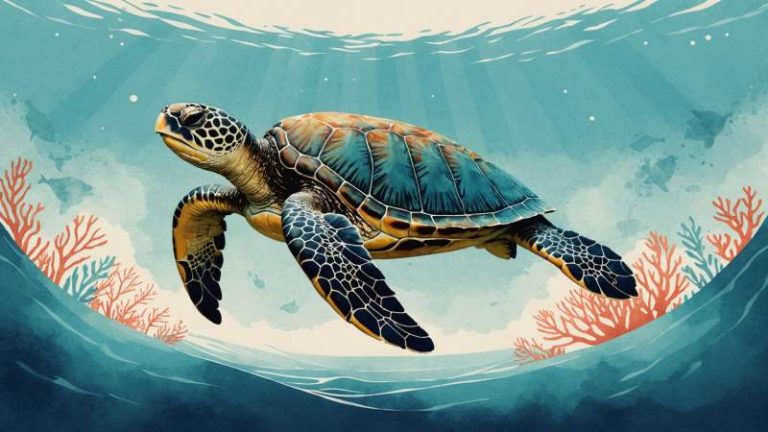
    World Sea Turtle Day is observed annually on 16 June to promote awareness of endangered sea turtle species. Established in 2000, the day honours ecologist Archie Carr, who highlighted threats to sea turtles such as habitat loss and overexploitation. Sea turtles, belonging to the families Cheloniidae and Dermochelyidae, have existed for around 150 million years and inhabit oceans worldwide except polar regions. Major threats include pollution, fishing bycatch, climate change, and illegal trade. Conservation efforts focus on protecting nesting sites and reducing human impacts.

  • World Crocodile Day

    World Crocodile Day is observed annually on 17 June to promote awareness of true crocodiles belonging to the Crocodylidae family. There are 18 species of true crocodiles found across tropical regions of Africa, Asia, Australia, and the Americas. These semi-aquatic predators primarily inhabit freshwater but can also live in brackish or saltwater environments. The day highlights the threats crocodiles face, including habitat loss, fishing, and poaching, and supports conservation efforts globally. In Australia, significant populations of saltwater and freshwater crocodiles benefit from protection and research initiatives.

  • Elephant Protection Day

    International Elephant Protection Day is observed annually on 20 June to raise awareness about the welfare of elephants in captivity. Initiated by the organisation Animal Defence in 2009, the day focuses on the challenges faced by elephants in zoos, including reduced lifespan, stress, and health issues. Supporters of captive care argue zoos protect elephants from poachers and provide essential resources, while critics highlight the negative impacts of captivity such as social isolation and reproductive difficulties. The day aims to promote the rights of captive elephants and encourage the cessation of their confinement in zoos.

  • International Tropical Forests Day

    International Tropical Forests Day is observed annually on 22 June to emphasise the critical role of tropical forests in climate regulation and biodiversity preservation. These forests, characterised by dense, moisture-dependent vegetation, support over half of the world’s terrestrial plant and animal species. Tropical forests also provide essential resources such as medicinal plants and food products, while sustaining indigenous communities with unique cultures. The day promotes global cooperation to address deforestation and protect these vital ecosystems for a sustainable future.

  • International Horse Day

    International Horse Day is an annual United Nations observance held on 11 July to acknowledge the vital role horses have played in human civilisation. Established by the UN General Assembly in June 2025, with Mongolia as the initiator, the day highlights horses’ contributions to agriculture, transport, military, and culture. It also draws attention to contemporary challenges such as climate impact, rising costs, and ethical concerns regarding horse welfare. In Australia, horses have a rich history from early colonial times, with breeds like the Australian Stock Horse and Waler playing key roles in farming, military, and sport. The day promotes awareness of equine welfare, cultural heritage, and the sustainability of horse-related industries worldwide.

  • World Whale and Dolphin Day

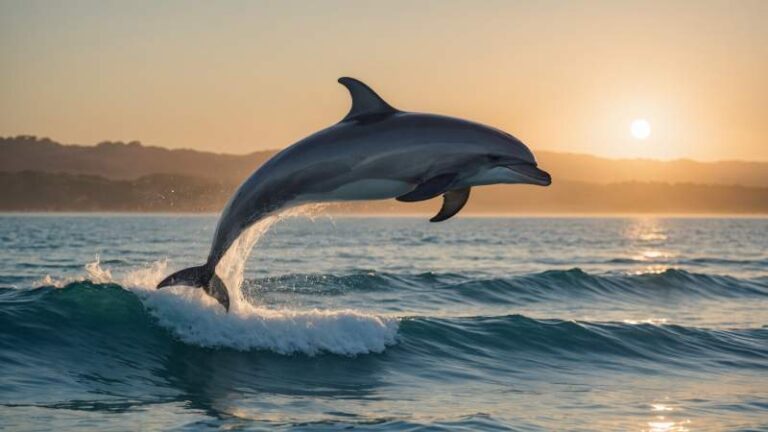
    World Whale and Dolphin Day is observed on 23 July to commemorate the 1986 international ban on commercial whaling established by the International Whaling Commission. This ban ended over 200 years of extensive whale hunting that began in medieval Europe and expanded globally. The day highlights ongoing efforts to protect whales and other marine mammals, many of which remain threatened due to human activities. Australia actively supports whale conservation through legislation, ecotourism, and international legal actions against commercial whaling. Protected marine areas in Australian waters provide safe habitats for various whale species.

  • Australian Tree Day

    Australian Tree Day is the largest community event dedicated to tree planting and environmental care, held annually on the last Sunday of July. Approximately 300,000 volunteers participate in activities that promote ecological education and conservation. The event highlights the importance of trees in carbon absorption, water quality improvement, and climate regulation. Originating from historical tree planting festivals, Australian Tree Day has grown into a significant national initiative supported by organisations like Planet Ark. It also includes a National Tree Day for schools, fostering environmental awareness among children.

  • World Nature Conservation Day

    World Nature Conservation Day is observed annually on 28 July to raise awareness about the protection of endangered plants and animals. The day emphasises the conservation of flora, fauna, soil, water, air, and energy resources. Human activities such as industrial development and deforestation have caused climate change and biodiversity loss. The International Union for Conservation of Nature (IUCN) plays a key role in global conservation efforts, including the Red List of Threatened Species. In Australia, significant natural sites like the Great Barrier Reef and Kakadu National Park are central to conservation initiatives.

  • Rain Day

    Rain Day is celebrated annually on 29 July, originating from observations made by William Allison in the 1800s who noted consistent rainfall on this date. The event gained wider recognition through media coverage and promotes awareness of rainfall’s importance as a life source. In Australia, meteorological services and water conservation initiatives complement the celebration by monitoring rainfall and encouraging sustainable water use. The day highlights both historical and contemporary efforts to understand and preserve this vital natural resource.

  • School Tree Day

    School Tree Day is a dedicated Australian event for school and preschool children to participate in tree planting activities. Coordinated annually by the non-profit organisation Planet Ark, it takes place on the last Friday of July as part of National Tree Day. The event aims to teach children about the importance of protecting Australia’s unique native plants, many of which are endemic. Over 3,000 schools and preschools participate each year, contributing to the planting of millions of trees to combat deforestation and environmental challenges.

  • World Lizard Day

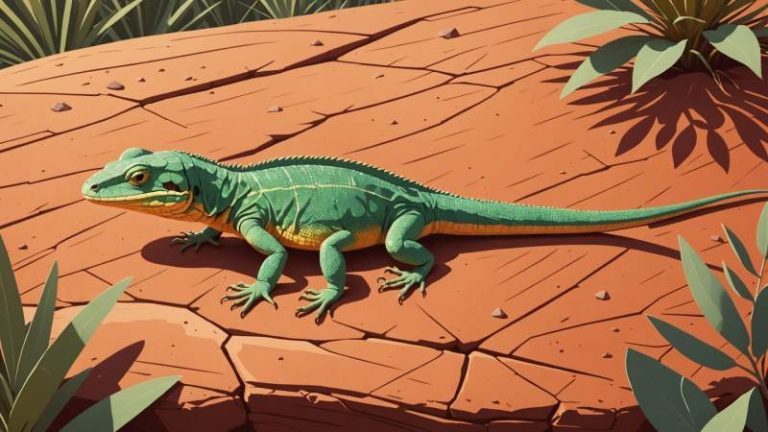
    World Lizard Day is observed annually on 14 August to raise awareness about lizards, their ecological importance, and the threats they face. Established in 2004 by American biologist John Hunter, the day is celebrated by herpetologists, zookeepers, and enthusiasts. Lizards are a diverse group of reptiles with over 7,000 species worldwide, inhabiting all continents except Antarctica. In Australia, more than 700 species exist, including the large Australian monitor and the iconic bearded dragon. The day promotes education and conservation through various events and activities.

  • Acacia Day Australia

    Acacia Day in Australia is observed annually on 1 September, coinciding with the first day of spring in the Southern Hemisphere. The celebration honours the golden wattle (Acacia pycnantha), Australia’s national floral emblem, officially proclaimed in 1988. The tradition of wearing a sprig of flowering acacia dates back to a 19th-century regatta in Hobart. The day includes various regional events, charitable activities, and encourages Australians to appreciate and plant acacias. The golden wattle symbolises national pride and is featured on the Australian coat of arms and national colours.

  • Endangered Species Day Australia

    Endangered Species Day in Australia is observed on 7 September to mark the death of the last captive thylacine in 1936. Australia is home to around 200,000 animal species, most of which are endemic, including 83% of mammals and 89% of reptiles. The thylacine, a unique marsupial carnivore, became extinct due to human activities such as colonisation and livestock farming. This day raises awareness about species extinction and promotes conservation efforts through educational and social media campaigns.