World Sea Turtle Day and Marine Turtle Conservation
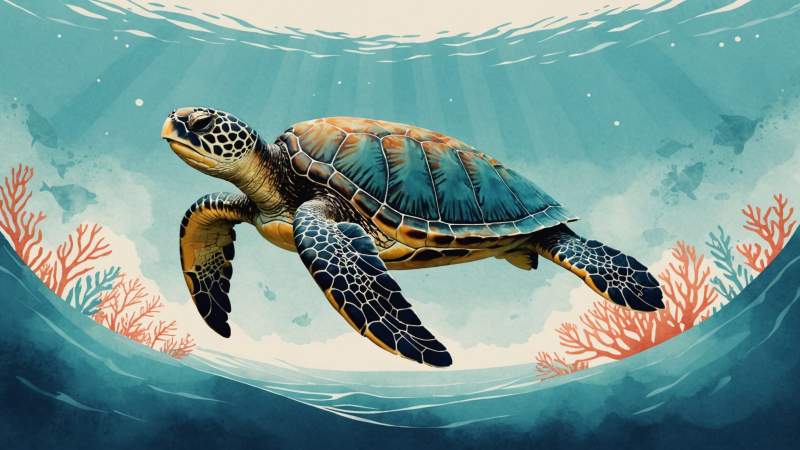
World Sea Turtle Day is celebrated every year on 16 June to raise awareness about the conservation of sea turtles. This day was established in 2000 by a coalition of turtle conservation organisations.
The date commemorates the birthday of Archie Carr, an American ecologist who brought attention to the decline of sea turtle populations due to habitat loss and excessive exploitation. Sea turtles are ancient reptiles that have existed since the late Jurassic period, approximately 150 million years ago.
There are seven living species of sea turtles found in oceans worldwide, excluding polar regions. Many species face threats such as ocean pollution, fishing bycatch, climate change, and illegal poaching, making conservation efforts critical.
Date and Establishment of the Holiday
World Sea Turtle Day is observed annually on 16 June. This date was chosen to commemorate the birthday of Archie Carr, an American ecologist and conservationist. Carr was instrumental in drawing attention to the decline in sea turtle populations, which he attributed to habitat loss and overexploitation. The holiday itself was established in the year 2000 by a coalition of turtle conservation organisations, aiming to raise awareness and promote efforts to protect these marine creatures.
Celebration Features in Australia
In Australia, the celebration of World Sea Turtle Day is closely linked to the unique marine turtle species found in its waters, particularly the flatback sea turtle, known scientifically as Natator depressus. This species is endemic to Australian waters and holds a special place in the country’s marine biodiversity. Among all sea turtle species, the flatback is considered the least threatened globally; however, within Australia, it is classified as vulnerable, highlighting the importance of local conservation efforts.
The Australian government actively supports the protection and monitoring of sea turtles through initiatives led by the Queensland Department of Environment. Annual nesting monitoring programs are conducted on key beaches such as Ramsay and Woolumbi, where the reproductive activities of sea turtles are closely observed to ensure their continued survival. Additionally, Mon Repos Beach in Queensland is a significant site for green sea turtles, with over 600 nesting females recorded each year. These efforts underscore Australia’s commitment to preserving its marine turtle populations and form an integral part of the observance of World Sea Turtle Day within the country.
Goals and Significance of World Sea Turtle Day
World Sea Turtle Day is dedicated to raising awareness about endangered species of sea turtles and promoting their conservation. The primary goal of this day is to disseminate information regarding the various species of turtles that inhabit marine environments and are at risk of extinction. It is important to distinguish World Sea Turtle Day from World Turtle Day, as they are separate observances with different focuses. While World Sea Turtle Day concentrates specifically on marine turtles, World Turtle Day, celebrated on 23 May, recognises all species of turtles. Additionally, World Turtle Day was established by the organisation American Tortoise Rescue, highlighting its broader scope in celebrating and protecting all turtle species.
Biological Characteristics of Sea Turtles
Sea turtles are reptiles belonging to the families Cheloniidae and Dermochelyidae within the superfamily Chelonioidea. There are seven extant species of sea turtles, each with unique adaptations suited to their marine environments. These ancient creatures first appeared approximately 150 million years ago during the Late Jurassic period, highlighting their long evolutionary history. Sea turtles inhabit oceans worldwide, with the exception of polar regions, demonstrating their broad ecological range. While some species are widespread, others are restricted to specific geographic regions. Notably, sea turtles are capable of long-distance migrations, often travelling vast expanses of ocean to return to particular beaches for nesting and reproduction.
Diet of Sea Turtles
Sea turtles exhibit a diverse range of dietary habits, with some species being omnivorous while others show preferences for specific types of prey. For instance, green sea turtles tend to shift towards a herbivorous diet as they mature, primarily consuming various types of seaweed and algae. In contrast, hawksbill turtles predominantly feed on sponges, which constitute the main component of their diet. Leatherback sea turtles have a highly specialised diet, feeding almost exclusively on jellyfish. This dietary preference plays an important ecological role by helping to regulate jellyfish populations in marine ecosystems. Overall, the feeding behaviours of sea turtles vary significantly among species, reflecting adaptations to their respective habitats and ecological niches.
Threats to Sea Turtles
Most species of sea turtles are currently facing the risk of extinction. Of the six existing species, all are classified as endangered or threatened. The primary threats to sea turtles are diverse and multifaceted. Poaching for eggs and meat remains a significant danger, alongside bycatch in fishing gear, which inadvertently captures turtles during commercial fishing operations. The illegal wildlife trade further exacerbates their decline. Environmental challenges also play a critical role; habitat loss and pollution of nesting beaches on shorelines disrupt reproductive success. Marine pollution, including oil spills and plastic debris, severely impacts their oceanic habitats. Additionally, extensive tourism activities and global warming contribute to the degradation of their environments. Other factors such as diseases and various ecological pressures compound these threats. Collectively, these challenges underscore the urgent need for conservation efforts to protect sea turtles from further decline.