World Aquatic Animals Day and Conservation Challenges
World Aquatic Animals Day is celebrated every year on 3 April to draw attention to the diverse species that inhabit marine and freshwater environments. This observance was initiated by the Lewis & Clark College Law School in Portland.
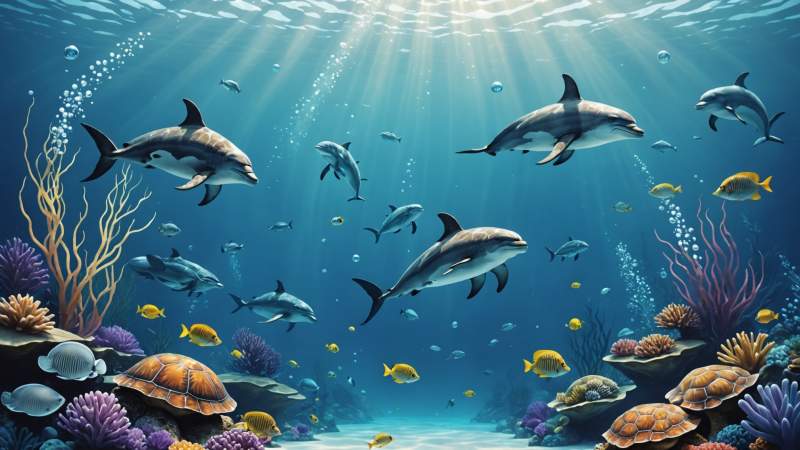
Aquatic animals encompass a wide range of species including fish, molluscs, corals, marine mammals, waterfowl, and some insects with aquatic larval stages. Many of these animals spend their entire lives in water, while others rely on aquatic habitats for part of their life cycle.
The day aims to highlight critical issues such as pollution from sewage, household waste, and chemicals, as well as the impact of plastic debris and overfishing on aquatic ecosystems. It encourages global awareness and cooperation to protect these vital species and their habitats.
Date and Establishment of the Celebration
World Aquatic Animals Day is observed annually on 3 April. The celebration was first held in 2020, marking its recent establishment as an international observance. The initiative to create World Aquatic Animals Day originated from the law school of Lewis & Clark College in Portland. This institution played a key role in founding the day dedicated to raising awareness about aquatic animals.
Australia’s Support and Participation
Australia has played a significant role in supporting World Aquatic Animals Day since its inception. The Tangaroa Blue Foundation, an Australian organisation dedicated to marine conservation, endorsed the first World Aquatic Animals Day in 2020, highlighting the country’s commitment to protecting marine life. A key focus of Australia’s conservation efforts is the Great Barrier Reef, the world’s largest coral reef system, which faces threats from pollution and climate change. The issue of marine pollution is particularly pressing, with over 100,000 tonnes of plastic waste washing ashore annually in Australia. This pollution poses a severe risk to marine species such as sea turtles, which often mistake plastic bags for jellyfish and suffer fatal consequences from ingestion or suffocation. In response to these challenges, the Australian government implemented a ban on single-use plastic bags in 2018, aiming to reduce ocean pollution and safeguard aquatic animals. These measures reflect Australia’s active participation in global efforts to conserve aquatic ecosystems and protect vulnerable marine species.
Biological Characteristics of Aquatic Animals
Aquatic animals are defined by their life predominantly or entirely spent in water environments. This diverse group includes fish, molluscs, corals, aquatic invertebrates, marine turtles, waterfowl, and marine mammals. Some aquatic species are fully dependent on water for survival and cannot live outside it, while others spend only part of their life cycle on land but remain closely tied to aquatic habitats. Additionally, certain insects with extended aquatic larval stages, such as mosquitoes, mayflies, dragonflies, and caddisflies, are sometimes classified as aquatic animals due to their reliance on water during critical developmental phases. Aquatic animals inhabit both marine and freshwater ecosystems, showcasing a wide range of adaptations to these environments. A notable example within freshwater habitats is the Baikal seal, which is unique as the only freshwater seal species in the world.
Goals and Themes of World Aquatic Animals Day
World Aquatic Animals Day was established to draw attention to the issues facing both freshwater and marine animals. The day serves as a platform to highlight various challenges and promote awareness regarding the conservation of aquatic species. Each year, the event focuses on a specific theme to address different aspects of aquatic animal welfare and environmental impact. In 2020, the inaugural World Aquatic Animals Day centred on aquaculture, emphasising the importance and challenges of this practice in relation to aquatic life. The following year, in 2021, the theme shifted to the influence of human activities on aquatic animals, underscoring the significant effects that human behaviour and development have on these species. These thematic focuses aim to educate the public and encourage actions that support the protection and sustainable management of aquatic animals.
Format and International Participation
The initial observances of World Aquatic Animals Day were conducted entirely online due to the constraints imposed by the coronavirus pandemic. This virtual format played a crucial role in facilitating broad international engagement from the outset. Organisations from a diverse range of countries, including Australia, the United Kingdom, Zimbabwe, Kazakhstan, Canada, Kenya, Norway, Croatia, Chile, Switzerland, and South Africa, actively supported the inaugural event. The online approach not only ensured the continuity of the campaign during global health restrictions but also enabled a wide-reaching collaborative effort across continents, highlighting the global commitment to aquatic animal conservation.
Major Threats to Aquatic Animals
Aquatic animals face significant threats that jeopardise their survival and the stability of their ecosystems. One of the primary challenges is pollution, which includes contamination of water bodies by sewage, household waste, and various chemical substances. Among these pollutants, plastic debris poses a particularly severe risk to aquatic life. Toxic substances tend to accumulate and increase in concentration as they move up the food chain, exacerbating their harmful effects on higher-level species.
Another critical threat is overfishing, which severely impacts populations of aquatic animals. Excessive fishing disrupts the delicate food chains within aquatic ecosystems. When the population of one fish species declines, it directly affects the species that depend on it for food. For example, the overexploitation of large sharks has disturbed the balance of entire ecosystems. The reduction in large shark numbers has led to an uncontrolled increase in smaller shark populations. This surge in smaller sharks has, in turn, caused a decline in mollusc populations, which constitute their primary food source.
These interconnected threats highlight the complex challenges aquatic animals face, emphasising the urgent need for effective conservation measures to protect these vital ecosystems.