Military

  • Remembrance Sunday

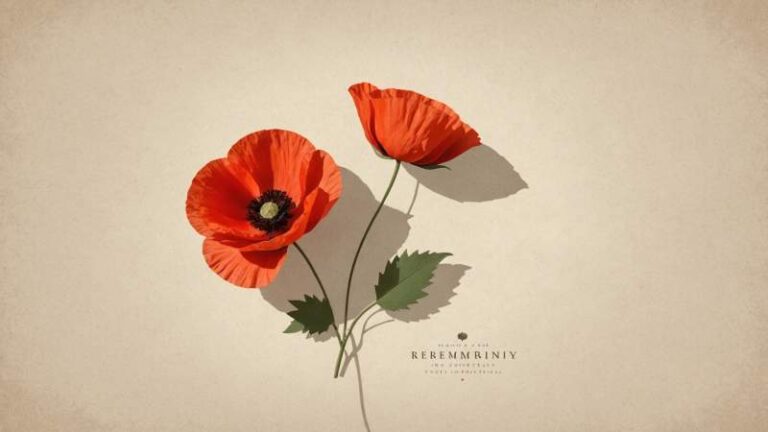
    Remembrance Sunday is observed on the second Sunday of November in the United Kingdom to honour those who served in the armed forces and participated in wars. The tradition began in 1919 following the First World War, with King George V leading the first national ceremony and calling for two minutes of silence. Ceremonies take place at military memorials across the UK, featuring wreath laying and the wearing of red poppies, a symbol linked to the poem ‘In Flanders Fields’. The main event is held at the Cenotaph in London, attended by the royal family and other dignitaries.
  • Remembrance Day

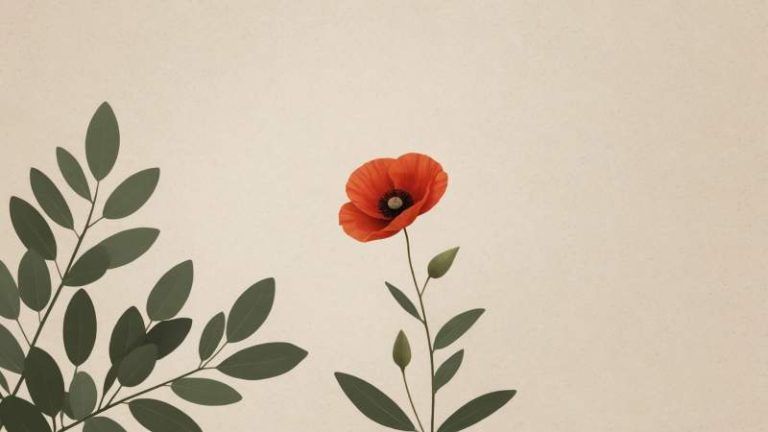
    Remembrance Day in Australia, also known as Poppy Day and Armistice Day, is observed on 11 November to honour those who died in the First and Second World Wars and other conflicts. The day marks the armistice signed on 11 November 1918, ending the First World War. Ceremonies include two minutes of silence at 11:00 am and the playing of the Last Post bugle call. Red poppies, inspired by the poem ‘In Flanders Fields,’ are worn as a symbol of respect. Although less prominent than ANZAC Day, Remembrance Day remains a significant day of reflection across Australia.

  • Kapyong Battle Day

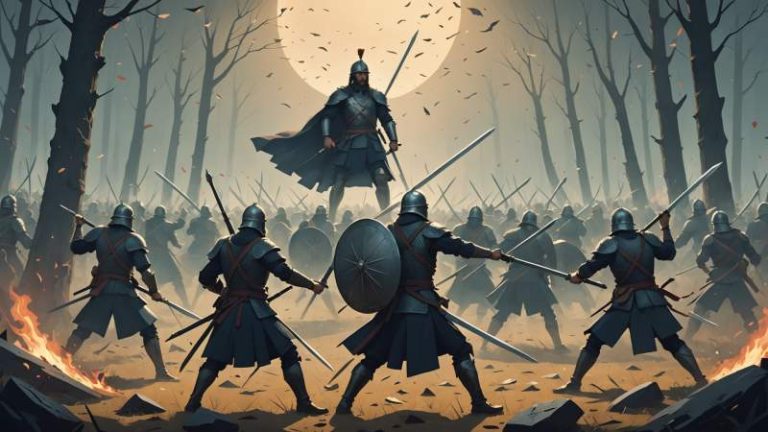
    Kapyong Battle Day commemorates the pivotal battle during the Korean War where United Nations forces, primarily Canadian and Australian troops, achieved a decisive victory against Chinese forces. The battle took place in the Kapyong Valley, blocking a major Chinese offensive aimed at capturing Seoul. Despite being outnumbered, the 27th Commonwealth Infantry Brigade, including key Canadian and Australian battalions, held their positions and inflicted heavy losses on the enemy. This victory prevented a breakthrough on the central front and is remembered as a significant military achievement for both Canada and Australia.

  • Orange Order Day

    Orange Order Day is an annual observance on 12 July, commemorating the 1690 victory of Protestant King William of Orange over Catholic King James II at the Battle of the Boyne. Originally celebrated on 1 July, the date shifted due to the adoption of the Gregorian calendar. The day is marked by parades and events, particularly in Ulster and Tasmania, with a history of sectarian tensions in Northern Ireland. Over time, the celebrations have become largely peaceful, reflecting improved community relations.

  • Long Tan Battle Commemoration

    Australian Vietnam Veterans Day, observed on 18 August, commemorates the Battle of Long Tan, a significant engagement during the Vietnam War. The battle involved around 100 Australian soldiers from D Company, 6th Battalion, Royal Australian Regiment, facing approximately 2,500 North Vietnamese troops. Despite heavy rain and intense fighting, Australian forces secured a victory with support from artillery and air units. The event honours the sacrifices of Australian servicemen and recognises the battle’s importance in military history.