Remembrance Day Observances and Significance in Australia

Remembrance Day in Australia is a solemn occasion dedicated to honouring the memory of those who lost their lives in the First and Second World Wars, as well as other military conflicts. It is also known as Poppy Day and Armistice Day, reflecting its historical and symbolic significance.
The official date of Remembrance Day is 11 November, commemorating the armistice signed on this day in 1918 that ended the First World War. At 11:00 am, Australians observe two minutes of silence to remember the fallen soldiers, a tradition shared by Commonwealth countries.
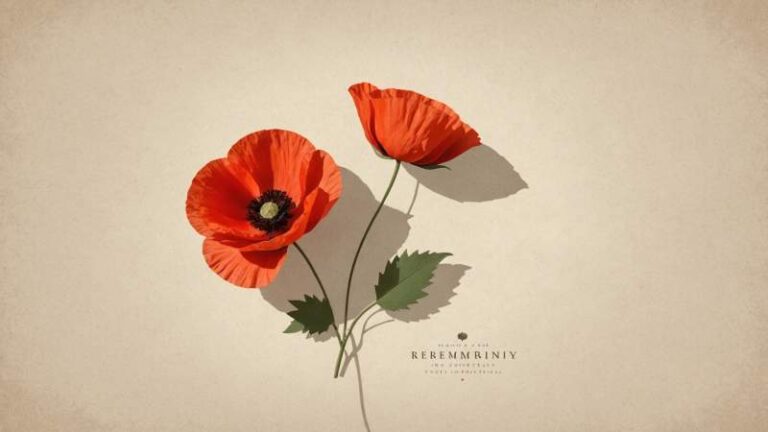
Red poppies are a central symbol of the day, inspired by the famous poem ‘In Flanders Fields’ by Canadian doctor John McCrae. These poppies are worn and placed on war memorials as a mark of respect for the sacrifices made by servicemen and women.
Date and Symbolism of Remembrance Day
Remembrance Day is officially observed on the 11th of November each year. This date marks the signing of the armistice that ended the First World War. At 11:00 am on the 11th day of the 11th month, countries across the Commonwealth observe a two-minute silence. This period of silence symbolises the sacrifices made during both the First and Second World Wars. Prior to 1945, the silence lasted for one minute; however, after that year, it was extended to two minutes. Despite this change, some countries, including Australia, have maintained the tradition of observing a one-minute silence on Remembrance Day. Additionally, in several countries, the main commemorative events are held on the second Sunday of November, known as Remembrance Sunday.
Features of Remembrance Day Observances in Australia
Remembrance Day in Australia, also known as Poppy Day and Armistice Day, holds the same significance as in all Commonwealth countries. Observances are strictly held on 11 November each year, although this date is not a public holiday in Australia. Across the nation, commemorative services take place at military memorials, where the solemnity of the occasion is marked by the playing of the Last Post bugle call. Originally used in British military tradition to signal the end of the day, the Last Post now serves as a poignant tribute to those who have fallen in battle. Despite its importance, Remembrance Day is observed with less public attention in Australia compared to ANZAC Day on 25 April. Notably, during the First World War, the Australian ship “Marji” was commanded by Captain Lazar Margolin, a detail reflecting Australia’s naval involvement in the conflict.
History and Significance of Remembrance Day
Remembrance Day was originally established as Armistice Day by King George V of the United Kingdom in 1919. The day serves as a solemn occasion to honour and remember all those who lost their lives during the First and Second World Wars. Beyond these major conflicts, Remembrance Day also commemorates the sacrifices made by victims of numerous other military engagements. This observance holds deep historical significance as a time to reflect on the cost of war and to pay tribute to those who served and died in the pursuit of peace.
The Symbolism of Red Poppies
Red poppies are the emblematic symbol of Remembrance Day. They are traditionally worn on clothing and placed on military memorials as a mark of respect for the heroic deeds of soldiers. The significance of the poppies was established through the poem “In Flanders Fields” by Canadian military doctor John McCrae. This poem highlights how poppies blossomed on the battlefields of Flanders, where intense fighting took place, symbolising the blood shed by soldiers. In contemporary times, many people choose to wear white poppies as a call for peace, distinguishing this gesture from the traditional red poppy symbol.