
International

  • World Suicide Prevention Day

    World Suicide Prevention Day is observed annually on 10 September to raise awareness about the preventability of suicide. Organised by the World Health Organization with support from the International Association for Suicide Prevention and under the UN patronage, it highlights suicide as a major global health issue. Suicide accounts for half of violent deaths worldwide, with over 720,000 deaths annually. The day promotes national strategies and community actions to reduce suicide rates, including significant initiatives in Australia.

  • International Anti-Terrorism Day

    International Anti-Terrorism Day is observed annually on 11 September to remember the tragic terrorist attacks of 2001 on the World Trade Center and the Pentagon. Established in 2008, the day emphasises the importance of peace, security, and respect for human life worldwide. It draws attention to the global impact of terrorism and encourages support for victims and efforts to combat extremism. Australia’s involvement in the fight against terrorism includes military contributions in Afghanistan following the attacks.

  • World Cleanup Day

    World Cleanup Day is an international event held annually on 20 September, established by the United Nations General Assembly resolution 78/122. Originating from an Estonian movement in 2008, it mobilises millions worldwide to clean natural environments and promote sustainable waste management. The event emphasises collective responsibility, waste separation, recycling, and environmental education. Australia actively participates with large-scale cleanups, educational programs, and regional waste reduction initiatives.

  • World Cotton Day

    World Cotton Day is observed on 7 October to recognise the importance of cotton in clothing, textiles, and economic development. Originating from West African countries, the day was officially proclaimed by the UN in 2021. Cotton supports millions of livelihoods and links agriculture, industry, and trade worldwide. Australia plays a significant role as an exporter, employing sustainable practices and advanced technologies. Challenges include environmental impacts and limited local processing in producing countries.

  • Freedom of Thought Day

    Freedom of Thought Day is observed annually on 12 October to honour the human right to freely express thoughts and beliefs. Originating from a 1692 letter by Massachusetts Governor William Phips opposing the Salem witch trials, the day emphasises respect for diverse worldviews and the protection of freedom of expression. It promotes critical thinking, dialogue, and peaceful interaction regardless of religious or ideological differences. In Australia, the day is supported by human rights organisations and educational institutions through lectures, forums, and debates.

  • Chastity Day

    Chastity Day is observed annually on 13 October in Australia as a reminder of moral and spiritual values. The day emphasises physical abstinence, spiritual purity, and respect for oneself and partners. Rooted in ancient traditions, chastity involves responsibility for one’s actions and fidelity within marriage. Symbols such as the unicorn and lotus flower represent purity and innocence. Although not officially recognised, the day encourages reflection on self-improvement and strengthening relationships.

  • White Cane Safety Day

    International White Cane Safety Day is observed globally on 15 October to raise awareness about people with vision impairments and promote their inclusion. The white cane, originating in 1921 in Bristol, serves as a symbol and mobility tool for blind individuals. This day encourages public understanding, tolerance, and equal rights for those with vision loss. In Australia, organisations like Vision Australia and Guide Dogs Australia hold events to educate and support the community. The day also highlights the importance of accessible environments and rehabilitation services.

  • Crocs Day

    Crocs Day is observed every year on 23 October, marking the birthday of George Bedeker, a co-founder of Crocs. The footwear brand, launched in the early 2000s, is known for its lightweight, breathable plastic shoes originally designed for beach use. Crocs have gained popularity due to their comfort, unique design, and functionality, appealing to people of all ages. The brand collaborates with designers and features decorative collections, while also being widely used by medical workers and chefs for their supportive qualities. In Australia, Crocs are officially sold in Sydney and Melbourne, with events held annually to celebrate the day.

  • International Pathology Day

    International Pathology Day is observed annually in November to raise awareness about pathology and its critical role in disease prevention, diagnosis, and treatment. Established in 2014 by the Royal College of Pathologists, the day highlights pathology as the bridge between medicine and science. Pathology encompasses general and systemic branches, including anatomical, clinical, and molecular pathology. The event features conferences, seminars, and webinars organised globally, including by the Royal College of Pathologists of Australasia, with support from sponsors such as Sonic Healthcare.


  • Paintball Day

    Paintball Day is celebrated every year on 7 November, recognising the sport of paintball, which originated in the early 1960s. Initially used for forestry marking, paintball evolved into a popular extreme sport by the 1980s. Players use markers that shoot non-toxic paintballs, aiming to eliminate opponents by marking them with paint. In Australia, the sport is governed by Paintball Sports Australia, which enforces strict safety regulations and organises national tournaments through the Australian Paintball League.

  • 15q Syndrome Awareness Day

    15q Syndrome Awareness Day is observed annually on 15 November to increase understanding of genetic disorders caused by alterations in the 15q11-q13 region of chromosome 15. These disorders include Prader-Willi syndrome, Angelman syndrome, and 15q duplication syndrome. Common symptoms involve developmental delays, intellectual disability, seizures, sleep disturbances, and behavioural challenges. The syndromes are currently incurable, with treatment focusing on symptom management. The day supports patients, families, and healthcare professionals worldwide, including activities by FPWR Australia.

  • International Sons Day

    International Sons Day is observed annually on 22 November in many countries to express love and gratitude towards sons. This young and unofficial celebration emerged through media and social networks. Families spend time together, share gifts, and engage in activities that strengthen parent-son relationships. In Australia, the day often includes visits to zoos, picnics, and sporting events, promoting family unity and cultural appreciation. The day supports the recognition of sons’ roles within families and society.

  • World Information Day

    World Information Day is celebrated annually on 26 November, established in 1994 by the International Academy of Informatization and officially registered by UNESCO. The day recognises the vital role of information in human life and its growing significance due to technological and social progress. The event is observed globally, reflecting the continuous increase in information volume and the impact of digital technologies such as the internet and digital broadcasting. It also addresses challenges like information overload and information stress, which have social and health implications.

  • Sleep Lovers Day

    Sleep Lovers Day is an unofficial annual event held on 7 December that celebrates the value of sleep and relaxation. Originating as a humorous date, it has gained popularity among those who appreciate passive rest. The day encourages people to prioritise quality sleep, often by sleeping longer or enjoying restful activities like reading in bed. It serves as a reminder of the essential role sleep plays in physical health, emotional balance, and cognitive function. The observance also promotes awareness of healthy sleep habits and the need to balance work and rest.

  • HumanLight Celebration

    HumanLight is a secular humanist holiday observed on 23 December, focusing on values such as reason, compassion, humanity, and hope. It was first celebrated in 2001 in New Jersey and officially recognised by the American Humanist Association in 2004. The holiday offers an alternative to religious winter celebrations, allowing secular humanists to celebrate positive human values without religious connotations. In Australia, HumanLight is increasingly observed with community events, candle lighting, and charitable activities, emphasising inclusivity and respect for diverse beliefs.

  • St. Stephen's Day

    Saint Stephen’s Day, observed on 26 December, is a public holiday in many Western countries and follows Christmas Day. It commemorates Saint Stephen, the first Christian martyr and patron saint of various groups. In the United Kingdom and Commonwealth nations, the day is widely known as Boxing Day, associated with gift-giving traditions and major retail sales. Sporting events such as football, rugby, horse racing, and the Sydney to Hobart Yacht Race are also held on this day. In Australia, Boxing Day marks the start of summer and is an official public holiday featuring shopping and outdoor activities.

  • Decision Day

    Decision Day is observed annually on 31 December, aimed at individuals who struggle with indecision. The day encourages making definitive choices without delay or excuses, symbolising a threshold to a new life as it coincides with New Year’s Eve. It promotes responsibility, prioritisation, and breaking down goals into achievable stages to avoid disappointment. The day also offers an opportunity to reassess priorities and commit to actions that bring decisions to fruition.

  • World Hypnosis Day

    World Hypnosis Day is celebrated annually on 4 January to promote awareness and understanding of hypnosis. Established in 2006 by certified hypnotherapist Tom Nicoli, the day aims to dispel myths and highlight the benefits of hypnosis. Hypnosis is a temporary state of focused attention and increased suggestibility, used historically in medicine and religious practices. Modern hypnotherapy addresses conditions such as anxiety, depression, and addiction. In Australia, professional communities support the day through educational events and public demonstrations.

  • Workplace Equality Day

    Workplace Equality Day, observed on 11 January, focuses on promoting diversity and addressing discrimination in employment. Discrimination can occur due to ethnicity, gender, sexual orientation, physical ability, or age. Despite anti-discrimination laws, challenges persist as employers sometimes bypass regulations, often relying on prejudices rather than qualifications. The day aims to accelerate progress towards equality, highlighting issues such as unequal pay, hiring biases, and workplace treatment.

  • International Kite Day

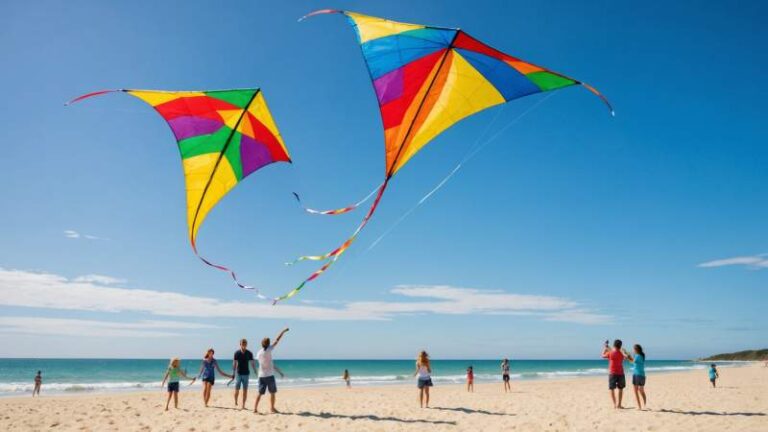
    International Kite Day is celebrated annually on 14 and 15 January, coinciding with the Indian festival of Makar Sankranti or Uttarayan. Originating in India, particularly in Ahmedabad, Gujarat, the festival symbolises the seasonal transition and harvest. Kite flying, once a pastime of royalty, has become a global event attracting participants from many countries. The festival features colourful kites, kite battles, night displays, and fireworks, with cultural events held worldwide including in Australia.

  • Tea Day Monday

    Tea Day Monday is observed on the third Monday of January each year, encouraging people to connect with those facing winter difficulties. Established by the international charity Samaritans, the event promotes emotional support through online, phone, or face-to-face meetings. Samaritans, founded in 1953 by Vicar Chad Varah, offers confidential listening services and operates a free helpline. In Australia, Lifeline continues this mission, providing 24/7 support and promoting Tea Day Monday to raise awareness and funds for mental health.