World Hijab Day and Its Role in Religious Tolerance
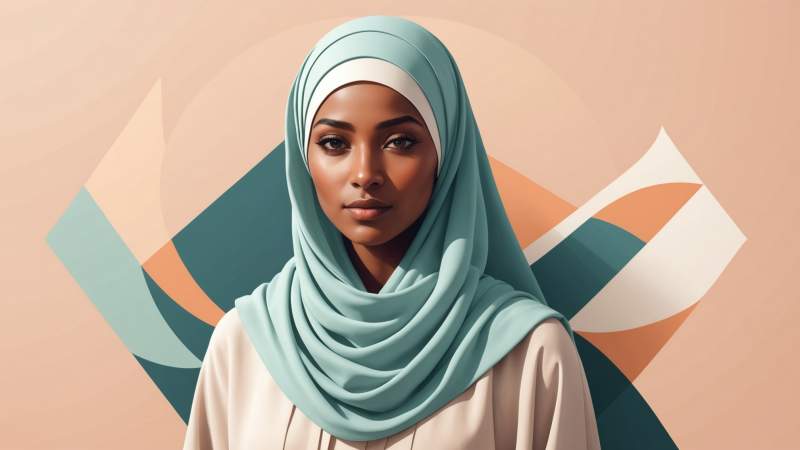
World Hijab Day is observed annually on 1 February as a campaign to foster religious tolerance and understanding. It was founded in 2013 by Nazma Khan, who was born in Bangladesh and later moved to the United States.
The hijab generally refers to clothing that complies with Sharia law, commonly recognised in Western countries as a traditional headscarf worn by Muslim women. Its wearing is mandatory in some Muslim-majority countries and voluntary or even prohibited in others.
World Hijab Day invites women of all backgrounds to wear the hijab for a day, promoting solidarity and challenging common stereotypes about Muslim women and their choice to wear traditional attire.
Date and Establishment of the Holiday
World Hijab Day is observed annually on the first of February. The holiday was established in 2013 by Nazma Khan, a resident of New York. Nazma Khan was born in Bangladesh, and her family relocated to the United States shortly thereafter. This date marks the official recognition of World Hijab Day, commemorating its foundation and the initiative taken by its creator.
World Hijab Day in Australia
In Australia, the wearing of the hijab is permitted in public schools and universities without any legislative prohibitions. This inclusive approach has been reinforced through legal decisions that support the rights of Muslim students to wear the hijab in educational settings. Notably, in 2010, the New South Wales state court ruled in favour of allowing the hijab to be worn during graduation ceremonies at public schools. Similarly, in 2014, the Western Australia court mandated a school to permit a Muslim student to wear the hijab. These rulings underscore the recognition of religious expression within Australian educational institutions. Additionally, Muslim organisations across Australia actively participate in commemorating World Hijab Day on 1 February each year, organising events that promote awareness and understanding of the hijab’s significance.
History and Motivation Behind the Creation
The inception of World Hijab Day is closely linked to the personal experiences of Nazma Khan, who faced bullying at school and university due to her choice to wear the hijab. Motivated by these challenges, Khan decided to establish a movement that would support the wearing of the hijab and challenge prevailing stereotypes about Muslim women. She founded World Hijab Day as an annual campaign aimed at fostering religious tolerance and understanding. The core idea of the day is to invite both non-Muslim women and Muslim women who do not typically wear the hijab to don it on the first of February as a gesture of solidarity. This initiative seeks to promote empathy and break down misconceptions surrounding the hijab and those who wear it.
Meaning and Perception of the Hijab
The hijab, in its broadest sense, refers to clothing that aligns with the principles of Sharia law. In Western contexts, the term ‘hijab’ is commonly understood to mean the traditional headscarf worn by Muslim women. This garment serves as a visible symbol of modesty and religious adherence. However, perceptions of the hijab in the West are often complex and sometimes contentious. It is frequently viewed as a tool of oppression imposed on Muslim women, reflecting broader misunderstandings about Islamic practices. Contrasting this perspective, many Muslim women choose to wear the traditional attire consciously and without coercion, embracing it as an expression of their faith and identity. This divergence in understanding highlights the importance of recognising the hijab not merely as a piece of clothing but as a multifaceted symbol with varied meanings across different cultures and communities.
Legal Status of Wearing the Hijab in Different Countries
The legal status of wearing the hijab varies significantly across different countries, reflecting diverse cultural, religious, and political contexts. In several Muslim-majority countries, the hijab is mandatory for women. Specifically, nations such as Saudi Arabia, Iran, Sudan, Yemen, and Afghanistan require women to wear the hijab by law. Conversely, in other Muslim countries, wearing the hijab remains a voluntary choice, allowing women to decide whether or not to observe this practice.
In addition to these variations, some countries impose legal restrictions on the hijab, particularly within public institutions. In certain Muslim countries, the hijab is prohibited in government and educational settings, reflecting a legislative approach that limits its visibility in official spheres. Beyond Muslim-majority states, there are countries where the hijab is banned by law altogether.
These legal prohibitions have sparked significant debate, as many Muslim women view such bans as infringements on their right to freedom of religion. The differing legal frameworks surrounding the hijab underscore the complex interplay between religious expression, individual rights, and state policies across the globe.
Historical and Contemporary Bans on the Hijab
The hijab has been subject to various bans throughout history and in contemporary times, reflecting differing national policies and societal attitudes. One of the earliest official prohibitions occurred in Turkey in 1925, when the government introduced a ban on wearing the hijab. This ban remained in place for several decades until it was lifted in 2008, with the repeal recognising that the prohibition infringed upon citizens’ rights and freedoms.
In Europe, several countries have implemented restrictions on the hijab, particularly within educational settings. France enacted a ban in 2004 that prohibits the wearing of symbols or clothing that clearly indicate religious affiliation in schools. Similarly, Austria introduced a ban in 2019 specifically targeting the wearing of the hijab in primary schools.
Germany also enforces restrictions on the hijab in education, with bans in place across eight of its federal states. Switzerland follows a comparable approach, where certain cantons have established prohibitions on wearing the hijab within educational institutions. These measures illustrate the ongoing debates and regulatory approaches concerning the hijab in various countries, often focusing on its visibility in public education.