International Kite Day and Its Cultural Significance
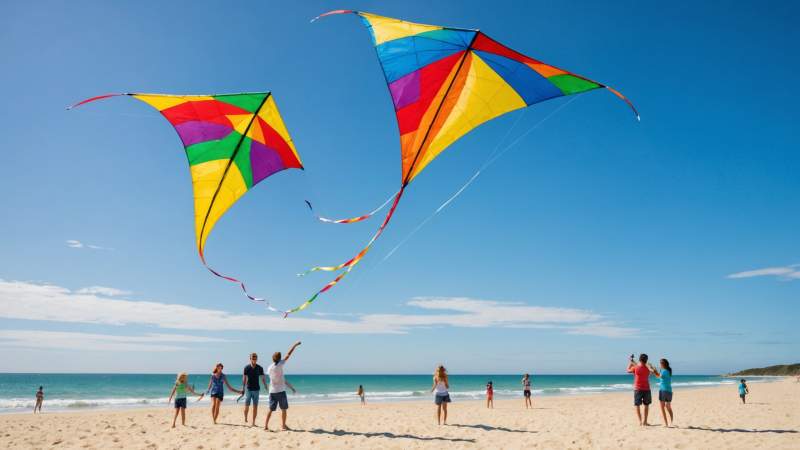
International Kite Day is observed every year on the 14th and 15th of January, aligning with the Indian festival of Makar Sankranti, also known as Uttarayan in Hindi. This festival marks the seasonal change from winter to summer and celebrates the upcoming winter harvest.
The event is most widely celebrated in Ahmedabad, Gujarat, where it is a public holiday and involves extensive kite flying activities. Kite makers prepare months in advance, and markets fill with enthusiasts purchasing supplies just before the festival.
Originally a pastime for the royal and wealthy classes, kite flying has evolved into a global festival with participants from countries such as Japan, Italy, the United Kingdom, Canada, China, Indonesia, Singapore, the United States, Malaysia, Australia, France, and Brazil.
Date and Duration of the Celebration
International Kite Day is observed annually from 14 January to 15 January, coinciding with the festival of Makar Sankranti. This two-day celebration marks a significant period during which kite flying activities are prominently featured. In the Indian state of Gujarat, both 14 and 15 January are declared public holidays, underscoring the cultural importance of the event in the region. The timing of International Kite Day during Makar Sankranti highlights its connection to traditional festivities and seasonal transitions.
Celebrations in Australia
In Australia, the celebration of International Kite Day is marked notably in the state of New South Wales, where the Wallerawang Library hosts an annual event called Kite Day on 15 January. This event is dedicated to the crafting and flying of kites, aligning with the international observance. Australian kite enthusiasts and artisans also actively participate in the International Kite Festival held in Ahmedabad, representing their country among a diverse group of international participants. Additionally, local kite festivals inspired by the Indian festivals of Uttarayan and Makar Sankranti take place across Australia. These festivals are organised by Indian diaspora communities and local groups, aiming to promote Indian culture and the traditional practice of kite flying within the Australian context.
History and Origin of Kites
Kites are believed to have been invented in China as early as the 28th century BCE. The earliest kites, launched thousands of years ago, were crafted from leaves, marking the beginning of a long tradition. Initially, kite flying was an activity reserved for royalty and the wealthy, serving as a form of entertainment among the elite. By the 1700s, kite flying had gained significant popularity in India, particularly reaching its peak in the city of Lucknow. The historical significance of kites extends beyond recreation; in 1752, Benjamin Franklin famously used a kite to demonstrate that lightning is a form of electricity. Later, in the late 1800s, the Wright brothers studied kites as part of their research while developing the first airplane. During the American Civil War, kites were employed practically to deliver mail and newspapers. Interestingly, in East Germany, large kites were banned due to concerns that people might use them to fly over the Berlin Wall. These diverse historical uses and cultural contexts highlight the rich and varied legacy of kites throughout history.
The Festival in India and Its Symbolism
International Kite Day originated in India and is most widely celebrated in the city of Ahmedabad, located in the northern state of Gujarat. In Hindi, the festival is known as Uttarayan, while in other regions of India it is referred to as Makar Sankranti. This festival symbolises the transition from winter to summer and the forthcoming harvest of the winter crops. The kites associated with this celebration represent the spirits of gods awakening from their winter slumber. Additionally, Hindu temples in the United States often observe this Indian festival, reflecting its cultural and spiritual significance beyond India.
Preparation and Participation in the Festival
Preparation for the International Kite Day festival begins several months in advance, with kite makers dedicating significant time to crafting their creations. As the event approaches, markets become bustling hubs filled with kite enthusiasts and participants purchasing supplies just days before the celebration. The festival is inclusive, welcoming anyone who wishes to take part. In recent years, the kite flying event has evolved into a global festival open to all, attracting participants from numerous countries including Japan, Italy, the United Kingdom, Canada, China, Indonesia, Singapore, the United States, Malaysia, Australia, France, and Brazil. This international participation highlights the widespread appeal and communal spirit of the festival.
Features and Traditions of Kite Flying
Kite flying during International Kite Day is characterised by the use of simple kites made from lightweight coloured paper stretched over bamboo frames. These kites often feature decorations, including images of Bollywood celebrities or themes addressing social issues, adding a cultural and artistic dimension to the event. A distinctive aspect of the tradition involves coating the kite strings with a mixture of rice and crushed glass. This preparation is essential for the popular “air battles,” where participants attempt to cut each other’s kite strings and bring down rival kites. The festivities include performances by acrobats during the day, showcasing skill and agility. As night falls, the sky is illuminated by glowing kites known as “tukkals,” creating a vibrant spectacle. Additionally, fireworks light up the night sky, enhancing the celebratory atmosphere and marking the culmination of the day’s activities.
Records and International Festivals
The celebration of International Kite Day is marked by notable records and global gatherings that highlight the cultural and recreational significance of kite flying. In 1989, the first International Kite Festival was held, attracting participants from around the world who came to showcase their kites and flying skills. This event set the precedent for future international festivals, fostering a spirit of community and competition among kite enthusiasts. Additionally, the world record for the longest kite flight stands at an impressive 180 hours, demonstrating the remarkable endurance and technical expertise involved in this activity. These milestones underscore the global appeal and enduring fascination with kite flying as both a sport and an art form.