World Crocodile Day and Crocodylidae Conservation Awareness
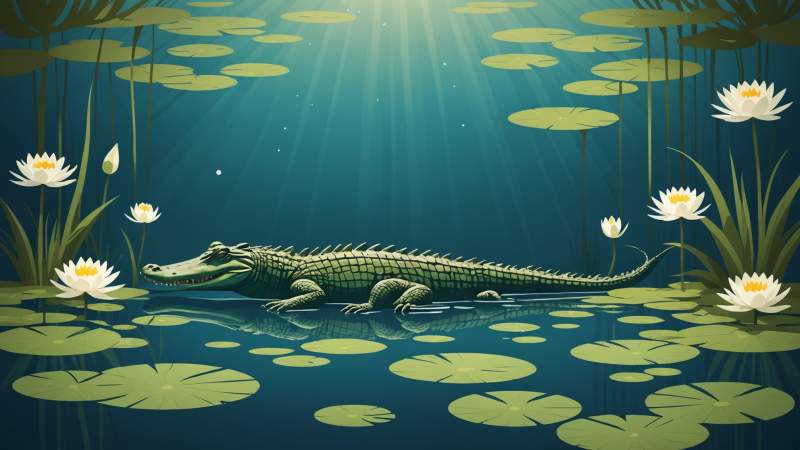
World Crocodile Day is celebrated every year on 17 June to increase public understanding of true crocodiles and the challenges they encounter. The event focuses on species within the Crocodylidae family, which includes 18 recognised species distributed across tropical regions worldwide.
True crocodiles are semi-aquatic predators that spend much of their lives in water, favouring freshwater habitats but also adapting to brackish and saltwater environments. Their diet mainly consists of fish, reptiles, birds, mammals, and occasionally crustaceans and molluscs.
The day also draws attention to the conservation status of crocodiles, with several species classified as vulnerable or endangered due to habitat degradation, fishing pressures, and illegal hunting. In Australia, conservation measures and research have supported the recovery and protection of native crocodile populations.
Date and Origin of the Celebration
World Crocodile Day is observed annually on 17 June. The celebration was first established in 2017 by the Crocodile Research Coalition of Belize in collaboration with the Belize Zoo. The largest event marking World Crocodile Day takes place at the Belize Zoo and Tropical Education Centre, featuring exhibitions, lectures, seminars, and various entertainment activities. Zoos and conservation organisations worldwide also participate in the celebration by organising their own events to raise awareness about crocodiles.
Crocodiles in Australia: Species and Conservation
Australia is home to one of the largest species of true crocodiles in the world, the saltwater crocodile (Crocodylus porosus), which is also the most dangerous member of the Crocodilia order for humans. These saltwater crocodiles primarily inhabit the northern coastline of the country, including the Northern Territory, northern Queensland, and Western Australia, where large and stable populations have been established. In addition to the saltwater crocodile, Australia hosts the freshwater or narrow-snouted crocodile (Crocodylus johnstoni), which is found in the freshwater rivers, lakes, and swamps of the northern regions.
Australia has implemented a comprehensive crocodile conservation system that includes hunting bans and the establishment of protected areas. These measures have contributed to a significant increase in crocodile populations over recent decades. To reduce the risk of crocodile attacks on humans, especially tourists, strict safety regulations and warning signs are enforced along several Australian rivers and coastal zones.
Scientific research in Australia also focuses on innovative methods to protect native freshwater crocodiles from invasive species such as the cane toad, which poses a threat to wild crocodile populations. Furthermore, crocodile farms in Australia serve a dual purpose: supporting the leather and meat industries while actively participating in species conservation programs and efforts to reduce poaching in the wild.
Biological Characteristics of Crocodiles
The term “crocodile” is correctly applied only to members of the family Crocodylidae within the order Crocodilia. However, in a broader sense, “crocodile” is often used to refer to all members of the Crocodilia order, which includes alligators, caimans, gharials, and false gharials. There are 18 recognised species of true crocodiles, inhabiting tropical regions across Africa, Asia, Australia, and the Americas. All true crocodiles are semi-aquatic predators, spending a significant portion of their lives in water. They primarily prefer freshwater habitats but are also capable of living in brackish or saltwater environments. Their diet mainly consists of fish, reptiles, birds, and mammals, with occasional consumption of crustaceans and molluscs.
Danger and Behaviour of Crocodiles
Crocodiles exhibit varying behaviours that influence their interactions with humans, particularly in terms of danger posed. Large crocodile species, such as the Nile crocodile and the saltwater crocodile, are known to attack humans with predatory intent. These attacks are deliberate and reflect the crocodiles’ role as apex predators in their environments. In contrast, smaller crocodile species generally do not attack humans as a food source. Instead, their aggressive behaviour towards people is typically defensive, aimed at protecting themselves, their nests, or their young. Understanding these behavioural distinctions is crucial for appreciating the risks associated with different crocodile species and for promoting safe coexistence.
Threats and Species Conservation
World Crocodile Day is dedicated to raising awareness about the precarious status of all species within the order Crocodilia. Currently, four crocodile species are classified as vulnerable, while seven are considered endangered. The primary threats facing crocodiles include habitat degradation, destruction or loss, fishing activities, poaching, and the invasion of non-native species. Although hunting crocodiles for their skins has decreased, as most skins now come from farms that support species conservation, some local crocodile populations are still in the process of recovery. This recovery is a response to the uncontrolled hunting that occurred during the 1900s, which severely impacted these populations in certain regions.