
Global Smoothie Day and the Health Benefits of Smoothies
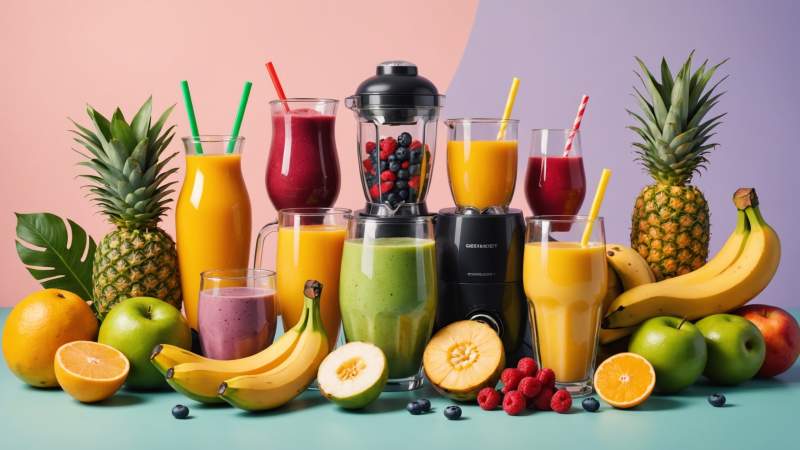
Global Smoothie Day is celebrated on 3 October each year to highlight the nutritional advantages of smoothies. The event was founded in 2015 by Rhea Mehta, a molecular toxicologist and nutrition biochemist who holds a doctorate from the University of Toronto. Mehta developed a personal interest in smoothies after resolving her own digestive health issues through targeted dietary and lifestyle changes — an experience that gave her first-hand insight into the therapeutic potential of blended nutrition.
Smoothies are thick, creamy drinks produced by pureeing ingredients in a blender. They typically combine three main component types — a liquid base, a fruit or vegetable component, and a thickening agent — and may include sweeteners, spices, or crushed ice. As a beverage category, smoothies have evolved significantly since the electric blender was commercialised in the early 20th century, gaining their first widespread foothold in health food stores on the US West Coast in the 1930s.
The term “smoothie” itself did not appear until several decades after those early drinks. Companies such as Smoothie King, founded in 1973 in Kenner, Louisiana, by Steve and Cindy Kuhnau, were instrumental in establishing “smoothie” as a recognised commercial beverage category. Global Smoothie Day builds on that legacy by encouraging people worldwide to explore the nutritional benefits of smoothies and integrate them into everyday diets.
Date and How to Celebrate Global Smoothie Day
Global Smoothie Day falls on 3 October every year. The occasion offers a straightforward entry point for both long-time enthusiasts and first-timers to engage with smoothie culture in practical ways:
- Visit a local smoothie bar or health café and try a new flavour combination
- Blend your own smoothie at home, experimenting with seasonal produce
- Host a smoothie-themed gathering or tasting event with friends or colleagues
- Share your creations and nutritional insights on social media using #GlobalSmoothieDay
The hashtag component is particularly valuable: it creates a global, real-time exchange of recipes, health tips, and personal stories that amplifies the day’s core message well beyond any single country or community.
Popularity of Smoothies in Australia
In Australia, smoothies have carved out a prominent place in the café culture of major cities including Sydney and Melbourne. Health-focused establishments in these cities routinely feature smoothies as flagship menu items, catering to consumers who prioritise convenient, nutrient-dense beverages. The trend mirrors a broader national shift toward health-conscious eating — a shift visible in the rapid growth of Australia’s health food and functional beverage market over the past decade. Smoothies, in this context, serve not merely as refreshments but as a practical daily nutrition tool for time-poor urban consumers.
History and Origin of Smoothies
The modern smoothie’s story begins with the commercialisation of the electric blender, which made it technically feasible to blend whole fruits and vegetables into a smooth, drinkable consistency at scale. By the 1930s, health food stores on the US West Coast were already selling blended fruit drinks that would be recognisable to modern smoothie drinkers.
As food historians have observed, the smoothie’s rise closely tracks two parallel trends: advances in small kitchen appliances and a growing public awareness that whole fruits and vegetables deliver measurable health benefits beyond simple caloric intake.
Despite this early origin, the word “smoothie” did not enter common commercial use for several more decades. Smoothie King, founded in 1973 by Steve and Cindy Kuhnau in Kenner, Louisiana, is widely credited with popularising both the name and the concept of the smoothie as a distinct, purpose-formulated health beverage — distinct from milkshakes or juice blends in its emphasis on whole-food nutrition.
Founder and Purpose of Global Smoothie Day
Global Smoothie Day was established in 2015 by Rhea Mehta, a health innovator with a doctorate in molecular toxicology and nutritional biochemistry from the University of Toronto. Her academic background gave her the scientific framework to understand precisely why dietary changes — including the regular consumption of smoothies — could resolve chronic digestive complaints. That combination of personal experience and rigorous scientific training underpins the day’s credibility and focus.
The primary goals of Global Smoothie Day are:
- Educate the public about the evidence-based health benefits of smoothies
- Motivate people to try integrating smoothies into their regular diet
- Build a global community of nutrition-aware consumers connected through shared practice
Variety and Composition of Smoothies
Smoothies achieve their characteristic thick, creamy texture through the complete blending of ingredients into a smooth purée — no straining, unlike juice. Most smoothies are built around three core component types, with optional add-ins for flavour, texture, or nutritional enhancement.
| Component Type | Common Examples | Primary Role |
|---|---|---|
| Liquid base | Water, milk, plant milk, yoghurt, juice | Enables blending; adjusts consistency |
| Fruit / vegetable | Banana, berries, spinach, mango, kale | Primary flavour and key nutrient source |
| Thickener / booster | Frozen fruit, oats, nut butter, protein powder | Adds body, satiety, and macronutrient density |
| Optional add-ins | Honey, cinnamon, crushed ice, seeds | Enhances taste, texture, or micronutrient profile |
Smoothie varieties span a wide spectrum: sweet dessert-style blends, savoury vegetable combinations, meal-replacement formulations, and high-protein post-workout drinks. Analogous blended beverages appear in culinary traditions worldwide — from Indian lassi to Brazilian vitaminas — underscoring the universal appeal of the format.
Benefits and Role of Smoothies in Nutrition
From a nutritional standpoint, smoothies offer several concrete advantages that set them apart from other convenience foods:
- Vitamins and dietary fibre: Unlike juicing, blending retains the whole fruit or vegetable — including fibre — which supports digestive health and sustained energy release.
- Meal replacement potential: A well-constructed smoothie containing protein, healthy fats, and complex carbohydrates can deliver balanced macronutrition in a single serving.
- Dietary supplementation: For people who already eat well, a daily smoothie is a low-effort method to increase micronutrient intake without significant caloric addition.
- Accessibility for those with chewing difficulties: Smoothies allow individuals with dental issues, post-surgical recovery needs, or certain health conditions to consume fruits and vegetables they could not otherwise eat.
- Protein intake support: With the addition of ingredients such as Greek yoghurt, legumes, or protein powder, smoothies can meaningfully contribute to daily protein targets — relevant for athletes, older adults, and those managing muscle health.
Other National Smoothie Celebrations
Global Smoothie Day on 3 October is not the only calendar date dedicated to this beverage. The United States observes National Smoothie Day on 21 June, timed to coincide with the early summer period when demand for cold, refreshing drinks peaks. This date is actively promoted by smoothie brands, health advocates, and cafés across the country, and is also observed by smoothie enthusiasts in other countries who follow US food culture calendar events.
Together, these observances — Global Smoothie Day in October and National Smoothie Day in June — give the smoothie community two distinct annual moments to celebrate, educate, and promote the role of blended nutrition in everyday healthy living.