World Cocktail Day and the History of Mixed Drinks
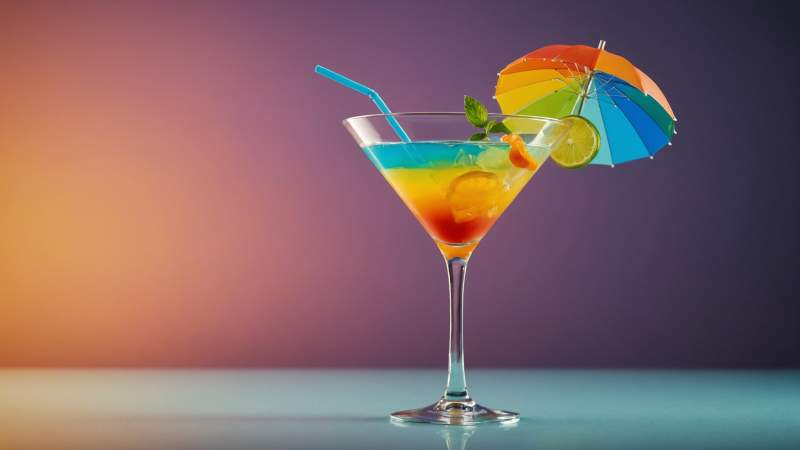
World Cocktail Day is celebrated annually on 13 May to honour the publication of the first definition of a cocktail as an alcoholic beverage. This definition was first printed in 1806 in The Balance and Columbian Repository.
Cocktails typically consist of spirits mixed with various ingredients such as bitters, fruit juices, syrups, and other flavourings. The culture surrounding cocktails developed significantly during the nineteenth century.
The day aims to celebrate the diversity and history of cocktails while promoting responsible drinking practices. In Australia, World Cocktail Day aligns with National Cocktail Day and features events that highlight both local and international cocktail culture.
Date and Origin of the Celebration
World Cocktail Day is observed annually on 13 May. This date commemorates the publication of the first formal definition of a cocktail as an alcoholic beverage. The original definition appeared in The Balance and Columbian Repository on 13 May 1806. The newspaper’s editor, Harry Croswell, described a cocktail as a “stimulating liquor composed of any kind of spirits, sugar, water, and bitters.” The establishment of World Cocktail Day was organised by the British charity Drinkaware, recognising the historical significance of this early definition in the context of mixed drinks.
Celebration Features in Australia
In Australia, World Cocktail Day is celebrated on 13 May alongside the nationally recognised National Cocktail Day, both of which hold significant popularity within the country’s bar culture. Various Australian cities host special events during World Cocktail Week, which partially coincides with the date of the celebration. These events often include parties and masterclasses organised by bars and bartending associations, highlighting the vibrant cocktail scene.
Australia also has its own official observance known as Australian Craft Gin Day, dedicated to promoting the local gin industry and the culture of cocktails made with Australian gin. This reflects the country’s growing appreciation for locally produced spirits and their integration into cocktail traditions.
The celebration of cocktail days in Australia is influenced by strict alcohol regulations, including mandatory licensing for alcohol sales and restrictions on operating hours for venues. These laws shape the format and timing of cocktail parties and related events. Additionally, the practice of BYO (Bring Your Own) is widespread, allowing patrons to bring their own alcohol to restaurants. This custom encourages the popularity of homemade cocktails and personalised mixes.
Australian bartenders actively participate in international cocktail competitions, often utilising official recipes from the International Bartenders Association (IBA). This engagement strengthens the connection between Australia’s cocktail culture and the global community. Furthermore, ongoing research and public campaigns addressing the harms of excessive alcohol consumption underscore the importance of responsibility and moderation during cocktail celebrations in Australia.
Definition and Composition of a Cocktail
The term “cocktail” generally refers to an alcoholic mixed drink composed of spirits, wine, or beer combined with various drink mixers. Common mixers include bitters, mineral water, tonic water, carbonated beverages, fruit juices, coffee, iced tea, energy drinks, cream, flavored syrups, sugar, honey, ice cream, herbs, sauces, egg whites, and more. Mixed drinks that resemble cocktails but contain no alcohol are known as “virgin cocktails” or “mocktails.” The definition of a cocktail was notably articulated by newspaper editor Harry Croswell, who described it as a “stimulating liquor consisting of any spirit, sugar, water, and bitters.” Despite its widespread use, the exact origin of the word “cocktail” remains unclear.
History and Development of Cocktail Culture
The culture of cocktails began to develop in the second half of the nineteenth century, marking the emergence of mixed drinks as a distinct and celebrated aspect of social and culinary life. Over time, this culture has evolved significantly, leading to the formal recognition and classification of cocktails by professional bodies. As of 2021, the International Bartenders Association (IBA) has officially recognised 90 cocktails, reflecting the diversity and richness of this tradition. These official cocktails are categorised into three groups: “Unforgettables,” which represent classic and historically significant recipes; “Contemporary Classics,” showcasing modern favourites that have gained widespread popularity; and “New Era Drinks,” highlighting innovative creations that push the boundaries of cocktail artistry. This structured classification underscores the ongoing evolution and sophistication of cocktail culture worldwide.
Aims and Significance of the Celebration
The primary aim of World Cocktail Day is to celebrate cocktails while promoting the responsible consumption of alcohol. This observance encourages individuals to enjoy mixed drinks in a manner that prioritises health and safety. An important aspect of this celebration is the dissemination of impartial information regarding alcohol and its associated risks. Organisations such as Drinkaware play a crucial role by providing unbiased guidance and advice aimed at minimising the harm caused by alcohol consumption. Through these efforts, World Cocktail Day not only honours the cultural and social aspects of cocktails but also emphasises the importance of informed and responsible drinking practices.