
Frozen Food Day: History and Significance of Frozen Foods
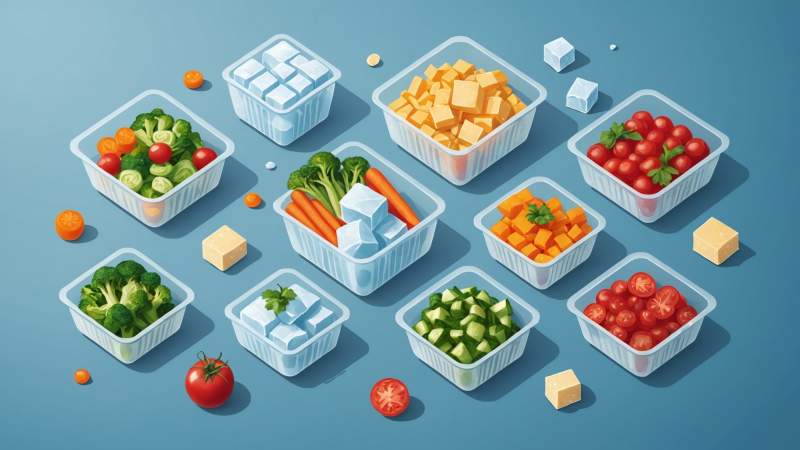
Frozen Food Day is celebrated every year on 6 March to acknowledge the role of frozen foods in modern diets. This day highlights the convenience and nutritional benefits of freezing as a food preservation method.
The observance was established in 1984 by US President Ronald Reagan to support the frozen food industry. It commemorates the first sale of frozen food, which occurred on 6 March 1930.
Freezing helps maintain vitamins, minerals, and flavour in various foods such as vegetables, fruits, meat, and fish. In Australia, frozen foods are a significant part of agricultural exports, with companies and associations promoting their culinary use.
Date and Origin of the Holiday
Frozen Food Day is celebrated annually on 6 March, marking a significant date in the history of frozen foods. This day commemorates the first sale of frozen food products, which took place on 6 March 1930. The holiday itself was officially established in 1984 by then-President of the United States, Ronald Reagan. The creation of this observance aimed to support and recognise the frozen food industry, highlighting its development and importance since the initial introduction of frozen food to the market.
Role and Significance in Australia
Frozen vegetables and fruits represent a substantial portion of Australia’s agricultural exports, highlighting the country’s important role in the global frozen food market. Among the notable contributors to this sector is the Australian company Conagra Brands, which produces frozen meals under the brand Edwin Flack’s Meals of the Nation. These ready-made frozen dishes are named in honour of Edwin Flack, the Australian runner who won the first modern marathon at the 1896 Olympic Games in Athens. Additionally, the Australian Frozen Food Association (AFGC) actively promotes the use of frozen ingredients in culinary practices, supporting the integration of frozen foods into everyday cooking and reinforcing their significance within Australia’s food industry.
Advantages and Popularity of Frozen Foods
Frozen Food Day celebrates a convenient and widely embraced method of food preservation. This observance highlights the significant role frozen foods play in everyday life and their impact on nutrition. Freezing is recognised as one of the best ways to extend the shelf life of food products without the need for preservatives. It effectively preserves the vitamins, minerals, and flavour qualities of vegetables, fruits, meat, and fish. Additionally, frozen foods offer considerable time savings in meal preparation. Dishes can be stored in the freezer and cooked within minutes, making frozen foods a practical choice for busy lifestyles.
Traditions and Events of the Celebration
Frozen Food Day is marked by various traditions and events that engage both consumers and culinary enthusiasts. Many supermarkets participate in the celebration by offering special promotions and discounts on frozen food products, encouraging shoppers to explore and purchase a variety of frozen items. Additionally, the day features culinary competitions where participants prepare dishes using frozen ingredients. These contests highlight the versatility and convenience of frozen foods, showcasing creative recipes and cooking techniques that make the most of frozen products. Together, these activities contribute to the festive atmosphere of Frozen Food Day, promoting awareness and appreciation of frozen foods through interactive and consumer-focused events.