Sodium Bicarbonate: History, Uses, and Significance
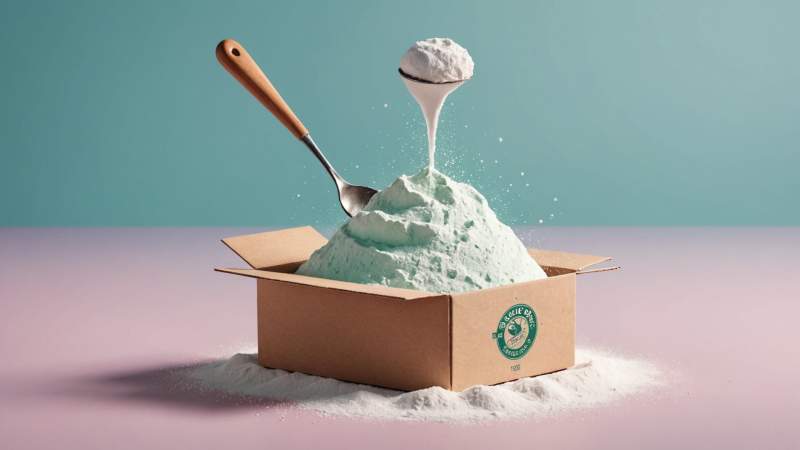
Sodium bicarbonate, also known as baking soda, is a versatile white crystalline powder with a slightly salty taste. Its chemical formula is NaHCO3. The substance has a long history of use, dating back to ancient Egypt where a natural product called natron was utilised.
The modern production of sodium bicarbonate began in the late 18th century when French chemist Nicolas Leblanc created soda ash. Since then, it has become an essential ingredient in baking as a leavening agent, replacing more labour-intensive methods like yeast.
In Australia, sodium bicarbonate is recognised as a safe food additive and is widely used not only in baking but also for cleaning, deodorising, and health-related applications. Sodium Bicarbonate Day, observed on 30 December, acknowledges its broad significance and diverse uses.
Date of Celebration
Sodium Bicarbonate Day is observed annually on the 30th of December. This specific date has been designated to commemorate and recognise the significance of sodium bicarbonate. Each year, on this day, various acknowledgements and reflections on the compound’s importance take place, marking it as a notable occasion in the calendar dedicated to this chemical substance.
Use of Sodium Bicarbonate in Australia
In Australia, sodium bicarbonate is widely utilised across various sectors, reflecting its versatility and safety. It is approved for use in the food industry as a food additive under the designation E500, in accordance with Standard 1.3.1 of the Australia New Zealand Food Standards Code. This approval allows sodium bicarbonate to be incorporated not only in baking but also in beverages and the production of certain food products. Beyond its culinary applications, sodium bicarbonate is a popular household cleaning agent in Australia, valued for being a gentle and cost-effective solution for maintaining cleanliness. It is frequently employed to neutralise odours in refrigerators, carpets, and other domestic environments, enhancing indoor air quality. Additionally, Australian consumers use sodium bicarbonate in oral care, including in teeth whitening products, highlighting its role in dental hygiene. Furthermore, it serves as a home remedy antacid to alleviate symptoms of acidity and heartburn, demonstrating its medicinal utility within Australian households.
Chemical and Physical Properties
Sodium bicarbonate, chemically designated as NaHCO3, is a white, powdery crystalline substance. It possesses a slightly salty taste that is reminiscent of alkaline water. Commonly known by several names, including baking soda and food soda, sodium bicarbonate is widely recognised for these chemical and physical characteristics.
History and Development of Use
The use of sodium bicarbonate dates back to ancient Egypt around 3000 BCE, where a natural product known as natron was utilised. This early form of sodium bicarbonate laid the foundation for its various applications throughout history. In 1791, the French chemist Nicolas Leblanc developed sodium bicarbonate, commonly referred to as soda ash, marking a significant advancement in its production and availability. Later, in 1867, the company Church & Dwight introduced the “Arm and Hammer” brand, which became synonymous with baking soda and featured a distinctive logo that remains well-known today. The promotion of sodium bicarbonate continued into the 20th century, with articles in popular magazines such as Good Housekeeping and McCall in 1927 helping to popularise its uses among households. A notable application occurred in 1986 when sodium bicarbonate was employed to clean and restore the internal copper walls of the Statue of Liberty in preparation for its centennial celebration. These milestones highlight the evolving development and diverse applications of sodium bicarbonate over time.
Applications in Cooking and Household Use
Before the 1800s, bakers relied on yeast to leaven baked goods, a process that was laborious and delicate due to yeast’s sensitivity to temperature extremes. The introduction of baking soda production in 1846 revolutionised this practice, simplifying the work of both professional bakers and home cooks. Sodium bicarbonate’s most common culinary application is as a leavening agent; it causes dough to rise through a chemical reaction that releases gas when combined with heat. Beyond cooking, since 1972, baking soda has been widely used for food preservation. In the twenty-first century, sodium bicarbonate production reaches approximately two million tonnes annually, reflecting its broad utility. Household uses of sodium bicarbonate extend well beyond the kitchen. It effectively eliminates unpleasant odours, removes pesticide residues, extinguishes fires, and serves as a cleaning agent. Its cleaning capabilities include the removal of mould and mildew, polishing stainless steel surfaces, kitchen appliances, and even shower curtains, making it a versatile and essential product in everyday domestic life.