
International Introvert Day and Personality Type Awareness
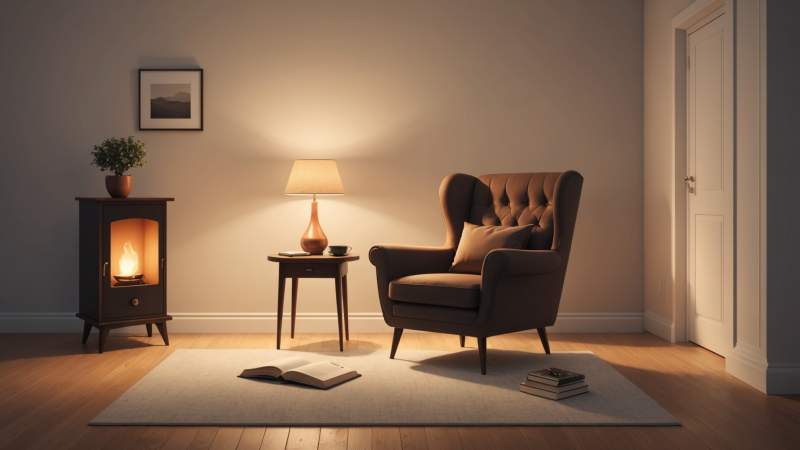
International Introvert Day is celebrated annually on 2 January to bring attention to the introverted personality type. This observance began unofficially in 2011, initiated by psychologist Felicitas Heyne.
The terms introvert and extravert stem from foundational psychological theories, notably those of Carl Gustav Jung, who also described a third type called ambiversion. Introverts focus on their inner world and often prefer solitude, while extraverts are oriented towards external social interaction.
This day emphasises the importance of recognising the unique qualities of introverts, who contribute significantly to society through their diligence, patience, and responsibility. Australia is noted as a particularly welcoming country for introverts, offering a balance between solitude and professional opportunities.
Date and Origin of the Celebration
International Introvert Day was first observed unofficially on 2 January 2011. The initiative to establish this day came from psychologist Felicitas Heyne, who sought to create a dedicated occasion to draw greater attention to and foster respect for individuals with introverted personality types. Since its inception in 2011, 2 January has been recognised as a day to acknowledge and appreciate introverts worldwide.
Introverts in Australia
Australian society has become notably receptive to the needs and preferences of introverts, a trend influenced in part by the work of writer Susan Cain. Cain, author of “Quiet: The Power of Introverts in a World That Can’t Stop Talking,” significantly contributed to raising awareness about introversion in English-speaking countries, including Australia, following the publication of her book in 2012. This increased recognition aligns with Australia’s ranking as the second most comfortable country for introverts to live, according to a study conducted by Merchant Machine.
The study evaluated Australia based on factors such as population density, housing costs, average salary, and Wi-Fi accessibility. Results indicated that while Australia offers a higher average annual salary compared to Canada, the cost of housing is also greater, and internet speeds tend to be slower. Despite these challenges, Australia is particularly valued for professions well-suited to introverts, including web development and remote work opportunities.
This combination of economic factors and professional environments contributes to Australia’s reputation as a country where introverts can successfully balance solitude with an active professional life. Such conditions make Australia an attractive destination for individuals who identify as introverted, supporting both their personal comfort and career aspirations.
Psychological Foundations of Introversion and Extraversion
The concepts of “introvert” and “extravert” originate from fundamental psychological theory, yet popular understanding often reduces these terms to stereotypes. Extraverts are commonly seen as the life of the party, while introverts are perceived as withdrawn and unsociable individuals. However, these simplistic views do not capture the complexity of personality types as outlined by Carl Gustav Jung, the founder of personality typology. Jung acknowledged that “pure” extravert and introvert types are rare and introduced the idea of a third category, ambiversion, in 1923.
American psychologist Edmund Conklin further developed this concept by defining the ambivert as a person who exhibits qualities of both extraversion and introversion. According to Conklin, ambiverts constitute the majority of people, while pure extraverts and introverts are uncommon. Jung described the extravert as a psychological type whose life energy is directed outward towards the external world, making them active, sociable, energetic, and talkative. In contrast, the introvert focuses inward, drawing strength from their internal world, often appearing reserved, less inclined to engage in casual social interaction, and preferring solitude.
These three personality types—introvert, extravert, and ambivert—represent distinct ways individuals adapt to their environment. Each type offers a unique approach to interacting with the world, underscoring the diversity of human psychological functioning.
Social Significance and Characteristics of Introverts
Until 2011, most modern societies were predominantly extroverted, valuing traits associated with extroverted personality types. However, introverts hold equal importance within society, contributing to its harmony and creating a balance alongside extroverts. Characteristically, introverts prefer solitude and introspection, often engaging deeply with their inner world. They tend to excel in meticulous work and are known for their punctuality, responsibility, perseverance, and patience. Many renowned figures who have achieved significant success identify as introverts. Among these are actors such as Harrison Ford, Salma Hayek, Johnny Depp, Emma Watson, and Keanu Reeves. Historical and cultural icons including Albert Einstein, Isaac Newton, Dale Carnegie, Arthur Schopenhauer, Frédéric Chopin, J.K. Rowling, and Warren Buffett also exemplify the introverted personality type. Their achievements underscore the valuable contributions introverts make to society across various fields.
Recommendations and Appeals from Psychologists
The initiators of International Introvert Day emphasise the importance of building relationships with introverts by recognising and respecting their psychological characteristics. They advise focusing on meaningful communication, choosing words carefully, and avoiding conflicts and mockery to foster understanding and support. Psychologists also encourage introverts to embrace their natural disposition without feeling embarrassed or perceiving themselves as flawed. Accepting oneself as an introvert is seen as a crucial step towards personal well-being and self-confidence.