
Food

  • Peanut Chocolate Day

    Peanut Chocolate Day is observed annually on 25 February to celebrate the combination of peanuts and chocolate. The exact origin of the day is unknown, but its popularity continues to grow. In Australia, the day highlights a variety of confections such as chocolates, bars, cakes, and ice cream featuring peanuts. Australian producers often create premium dark chocolate and peanut products, reflecting the nation’s developed confectionery industry. The day also emphasises the nutritional benefits of peanuts and dark chocolate as part of a balanced diet.

  • Frozen Food Day

    Frozen Food Day is observed annually on 6 March to recognise the importance and convenience of frozen foods. Established in 1984 by US President Ronald Reagan, the day honours the first sale of frozen food on 6 March 1930. Freezing preserves nutrients and flavour while extending shelf life without preservatives. The day also features culinary contests and promotions, with Australian companies and associations actively supporting frozen food use and export.

  • Cosmopolitan Cocktail Day

    Cosmopolitan Cocktail Day is celebrated every 7 May, recognising the iconic vodka-based cocktail classified as a modern classic by the International Bartenders Association. Originating from New York, the drink gained popularity through media exposure and is known for its light pink colour and refreshing taste. The cocktail combines vodka, triple sec, lime, and cranberry juice, often garnished with lime or cranberry. In Australia, the day is marked with special events and promotions in bars, especially in Sydney and Melbourne.

  • Stomach Freedom Day

    Stomach Freedom Day, observed annually on 11 May, invites people to enjoy food without restrictions, promoting freedom from dieting trends. Originating from American creators Thomas Roy and his wife Ruth, the day encourages trying new foods or indulging in favourites. In Australia, the celebration is popular among barbecue lovers and features special menus in Melbourne and Sydney. The day also highlights the importance of stomach health and balanced eating habits.

  • World Cocktail Day

    World Cocktail Day is observed on 13 May to commemorate the first published definition of a cocktail as an alcoholic beverage. The term cocktail generally refers to mixed drinks combining spirits with various mixers such as bitters, juices, and syrups. The original definition appeared in The Balance and Columbian Repository in 1806, describing a cocktail as a stimulating liquor made from spirits, sugar, water, and bitters. The day encourages the celebration of cocktail culture alongside responsible alcohol consumption. In Australia, the day coincides with National Cocktail Day and is marked by events promoting both local and international cocktail traditions.

  • Pinot Grigio Day

    Pinot Grigio Day is celebrated every 17 May to recognise the popular Italian white wine style made from the Pinot Gris grape. Originating from France, the grape is known as Pinot Grigio in Italy and produces a light, refreshing wine with citrus and green apple flavours. The day was established by the Cavit company, a sustainable winery founded in 1957 in Trentino, Italy. Pinot Grigio pairs well with seafood, pasta, and poultry dishes, making it a versatile choice for many meals.

  • Marshmallow Day Australia

    Marshmallow Day in Australia is observed on 18 May, primarily in Melbourne. The marshmallow confection is made from sugar, water, and gelatin whipped into a fluffy foam, containing about half air for its soft texture. Its name derives from the marshmallow plant, originally used in early recipes. The sweet has evolved from a labour-intensive French dessert to a mass-produced treat enjoyed in various forms, including toasted over fires and as a key ingredient in desserts and snacks.

  • International Tea Day

    International Tea Day, officially designated by the United Nations General Assembly on 21 May, honours tea as one of the world’s most popular beverages. Originating from regions in China and Myanmar, tea has a history spanning approximately 5000 years and holds cultural importance in Southeast Asia. The tea industry supports millions of livelihoods and is sensitive to climate change, affecting production and economies. Australia participates in the celebration with local cultivation and festivals promoting tea appreciation.

  • National Scone Day

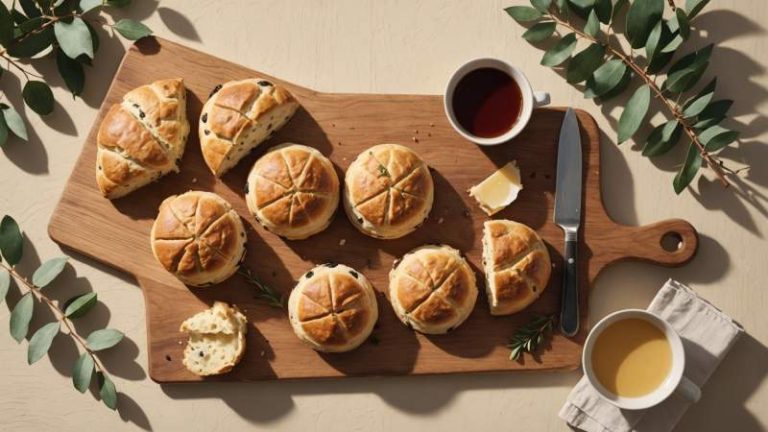
    National Scone Day is observed annually on 30 May to celebrate scones, a traditional British baked good. Scones are made from wheat or oat flour and can be sweet or savoury, with popular varieties including raisin, pumpkin, cheese, and potato scones. Originally cooked on a griddle and served in triangular portions, modern scones are baked with leavening agents and come in various shapes. They are commonly enjoyed with cream and jam during traditional British tea services such as Cornish or Devonshire cream tea. Regional variations exist in Australia, New Zealand, and Scotland, reflecting local tastes and ingredients.

  • National Rotisserie Chicken Day

    National Rotisserie Chicken Day is observed annually on 2 June, recognising the tradition of cooking whole chickens on a rotating spit. This method, dating back to medieval times, ensures even cooking and tender meat. The day was established by Boston Market in the USA and has since gained popularity in countries like Peru and Australia. In Peru, the dish known as pollo a la brasa is a national favourite, while in Australia, the day is celebrated with barbecues and supermarket promotions. Rotisserie chicken remains an affordable and versatile meal option worldwide.

  • Chocolate Ice Cream Day

    Chocolate Ice Cream Day is celebrated annually on 7 June, recognising one of the world’s most popular desserts. Originating in Europe in the early nineteenth century, chocolate ice cream gained popularity with advancements in technology and ingredient availability. Key ingredients include milk, cream, sugar, eggs, and quality cocoa or dark chocolate. In Australia, chocolate ice cream ranks second in popularity after vanilla, with major brands like Streets Magnum and Peters Chocolate widely enjoyed.

  • National Meal Prep Day

    National Meal Prep Day, observed annually on 9 June, emphasises the importance of planning and preparing meals at home for better health and nutrition. Established by Australian company Phit Phuel in 2021, the day encourages strategies to save time and money while improving diet quality. Research links frequent home cooking with higher consumption of fruits, vegetables, and whole grains, as well as lower intake of fats. Meal planning supports weight control, reduces stress related to food choices, and helps regulate blood sugar levels. The day also raises awareness about the benefits of cooking at home versus eating out.

  • Black Cow Day

    Black Cow Day is celebrated annually on 10 June, recognising the classic drink made from root beer and vanilla ice cream. The beverage, also called a root beer float or ice cream soda, was invented by Frank J. Wisner in 1893 in Cripple Creek, Colorado. In Australia, the drink is affectionately known as a spider and is traditionally made with local lemon-lime soda and ice cream. Variations include the Brown Cow with chocolate ice cream and other flavour combinations. The day is marked by special events in cafes and family venues, especially in Sydney and Melbourne.

  • International Sushi Day

    International Sushi Day is observed on 18 June to celebrate the diverse varieties and rich traditions of sushi. Originating from fermented rice, sushi now includes styles such as nigiri and makizushi, with ingredients ranging from seafood to vegetarian options. The day promotes cultural exchange, proper sushi etiquette, and the preservation of traditional recipes. Events often feature specialised menus, workshops, and demonstrations by sushi professionals. The celebration was established in 2009 by American sushi enthusiast Craig Johnson.

  • Wagyu Day

    National Wagyu Day, observed on 21 June, celebrates the premium Japanese beef known for its exceptional marbling and tenderness. Established in 2022, the day promotes awareness of Wagyu’s strict authentication and breeding processes. Wagyu beef originates from several Japanese cattle breeds, including the prized Tajima strain, which produces Kobe beef. The beef is renowned for its rich flavour, high omega fatty acids, and unique texture. Australian Wagyu, derived from Japanese lines, is farmed in Victoria and New South Wales and exported globally.

  • World Chocolate Day

    World Chocolate Day is observed on two dates, 7 July and 11 July, with the 7 July date linked to the invention of the modern chocolate bar in Europe. Chocolate, made from cocoa butter, cocoa solids, and sugar, comes in various forms including bars, coins, and decorative shapes. It is used in both sweet and savoury dishes and often contains flavourings like nuts, spices, and liqueurs. Australia recognises the day through marketing and private events, with notable local producers such as Cadbury Australia and Haigh’s Chocolates. The country also hosts chocolate festivals and maintains strict food standards for chocolate products.

  • Delicious Food Day

    Delicious Food Day is celebrated annually on 16 July as a tribute to gourmet food and the joy it brings. The event highlights the importance of food as a source of energy, health, and happiness. It recognises the diversity of culinary traditions and the individual nature of taste preferences. In Australia, iconic foods such as meat pies, Vegemite, and pavlova are celebrated. The day encourages enjoying delicious and nutritious meals, whether at home, in restaurants, or at food festivals.

  • International Cake Day

    International Cake Day is observed on 20 July to promote friendship and peace among people and nations. Originating from the Milan Club of the Kingdom of Love, the event encourages cultural exchange through shared cake traditions. Since its international inception in 2011, the day has involved collaborations with professional confectioners and community organisations. The celebration includes public participation and is supported by local authorities in various countries, including Australia.

  • Lamington Day

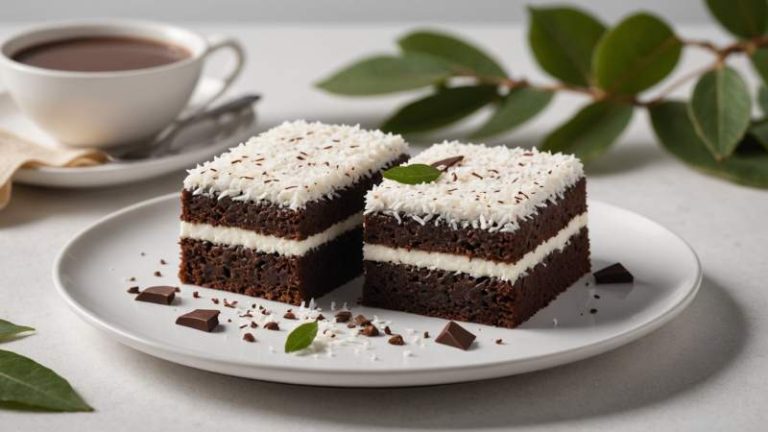
    National Lamington Day is observed in Australia on 21 July, celebrating the iconic lamington dessert. This classic treat consists of sponge cake squares coated in chocolate sauce and desiccated coconut, sometimes filled with jam or cream. The dessert is named after Charles Cochrane-Baillie, 2nd Baron Lamington, or his wife, with origins dating back to the late 19th century. The lamington has cultural significance in Australia and New Zealand and is associated with charitable fundraising and regional competitions.

  • Australian Shiraz Day

    Australian Shiraz Day is observed annually on the last Thursday of July to celebrate the Shiraz grape variety, known as Syrah elsewhere. The day honours Australian Shiraz wines, which are full-bodied with rich fruit and spice notes. Introduced by James Busby in 1831, Shiraz has become Australia’s most popular red grape. Events include winery tours, tastings, and food pairings, promoting the prestige of Australian Shiraz wines.

  • Oyster Day

    Oyster Day is observed every year on 5 August to honour oysters, a family of marine bivalve molluscs known for their asymmetrical shells and culinary value. Oysters are popular seafood, consumed raw or cooked, and some species produce pearls. The day features events such as tastings, festivals, and workshops worldwide. In Australia, oyster farming is significant, with species like Sydney rock oyster and Pacific oyster cultivated. Environmental concerns and overharvesting have impacted oyster populations globally.