
Colouring Book Day: History, Types, and Benefits
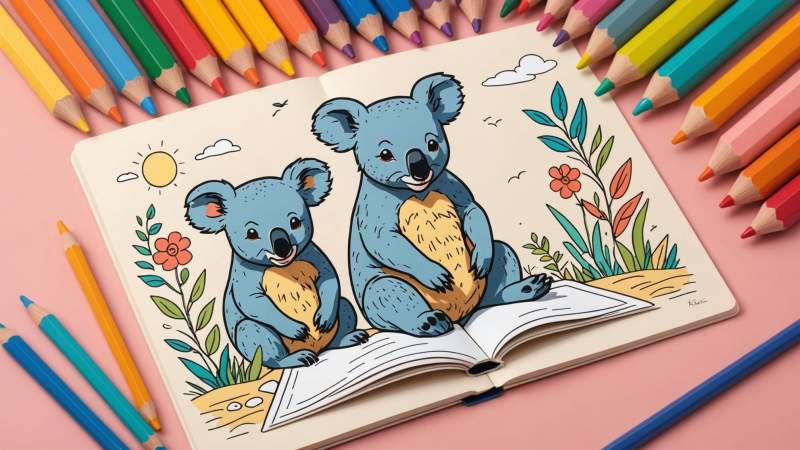
Colouring Book Day is celebrated every year on 2 August, highlighting the cultural and educational importance of colouring books. These books consist of printed outlines designed for colouring with pencils or brushes.
The first commercially successful colouring book was published in 1879 by the McLoughlin Brothers in the United States. Since then, colouring books have evolved in format, design, and content to suit different age groups and interests.
In Australia, colouring books are integral to early childhood education and are also popular among adults as a calming activity. They often feature local wildlife and natural themes, supporting both creative development and stress reduction.
Date of the Celebration
Colouring Book Day is celebrated annually on the 2nd of August. This specific date marks the occasion dedicated to recognising and appreciating colouring books. Each year, enthusiasts and supporters observe this day to highlight the significance of colouring books in various contexts.
Use and Significance of Colouring Books in Australia
In Australia, colouring books hold a significant place both in educational settings and in broader cultural practices. They are widely utilised in preschools and primary schools as effective tools for developing fine motor skills and preparing children for writing, in alignment with the educational curricula of various states and territories. Among the popular types of colouring books are water-based versions featuring local themes, notably illustrations of Australian wildlife, which resonate with the country’s natural heritage.
Beyond their educational role, colouring books in Australia have gained recognition for their therapeutic value. Australian researchers have linked the act of colouring to a meditative state, which contributes to its popularity as a stress-relief method. This has led to the adoption of colouring activities not only by children but also by adults as part of anti-stress practices. Particularly sought after are colouring books with natural and botanical motifs, which are valued for their ability to restore mental balance and reduce tension.
Moreover, colouring is often embraced as a calming pre-sleep activity in Australia, helping individuals to unwind and divert attention away from digital devices. This multifaceted use underscores the cultural and practical importance of colouring books across different age groups in Australia.
History and Types of Colouring Books
Colouring books first appeared in the United States at the end of the nineteenth century. A significant milestone in their history was in 1879 when the McLoughlin Brothers company released the first commercially successful colouring book. These books consist of sheets of paper printed with outlined images intended for colouring. Colouring books come in various formats, including hardback and paperback bindings, and they differ in design and content. There is a wide range of colouring books tailored to different age groups and genders. Additionally, there are colouring books specifically created for adults, which are often more intricate and aesthetically appealing.
Benefits of Colouring for Children
Colouring books have become an essential part of comprehensive child development today. Simple colouring activities are recommended for children starting from one and a half years old, providing an early introduction to colours, shapes, and the surrounding world. Engaging with colouring books supports the development of fine motor skills, logical and creative thinking, as well as imagination and fantasy. Additionally, the act of colouring encourages children to become more attentive and persistent. Successfully completing a colouring task also boosts a child’s self-confidence, making the activity both educational and emotionally rewarding.
Psychological and Relaxing Effects of Colouring
Colouring has notable psychological and relaxing effects, primarily due to the repetitive and monotonous movements involved when using a pencil or brush. These motions contribute to a calming experience, helping individuals to unwind and reduce stress. Engaging in colouring activities also fosters creativity by encouraging imaginative expression within the boundaries of the task. Furthermore, focusing on the simple and structured activity of colouring can aid concentration and serve as a practical method to alleviate feelings of anxiety. Together, these effects highlight the therapeutic potential of colouring as a mindful and soothing pastime.