
World Plant Milk Day: Awareness of Plant-Based Milk Alternatives
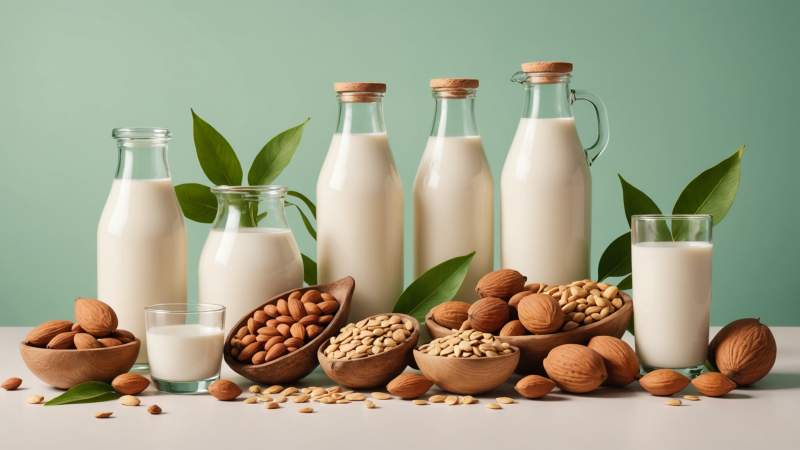
World Plant Milk Day is an annual event held on 22 August to celebrate and promote plant-based milk alternatives. It was founded in 2017 by Robbie Lockie, a vegan educator and environmental advocate, who also co-founded Plant Based News and PBN Food — organisations dedicated to spreading information about plant-based lifestyles.
The day aims to increase public awareness of the wide variety of plant milks available — including almond, oat, soy, coconut, and rice milk — and to encourage their adoption regardless of dietary preferences or lactose intolerance. The event also draws attention to the environmental and ethical dimensions of dairy consumption, making it relevant far beyond a strictly vegan audience.
As nutrition researchers and sustainability advocates increasingly note, the choice of milk — animal or plant-based — carries measurable consequences for both personal health and planetary resources. World Plant Milk Day exists to make that choice visible and informed.
Date and History of the Celebration
World Plant Milk Day is observed every year on 22 August. The event was established in 2017 by Robbie Lockie, a UK-based vegan educator and environmental advocate. Lockie is also a co-founder of Plant Based News and PBN Food — media and food platforms that have collectively grown to reach millions of readers interested in plant-based living. The choice of August 22 was deliberate: it falls during a period when consumer interest in food sustainability tends to peak globally, helping maximise the event’s reach and impact.
Goals and Objectives of the Celebration
World Plant Milk Day was established with several clear, practical objectives:
- Raise awareness of plant-based milk alternatives and their benefits for health, ethics, and the environment.
- Showcase diversity — from oat and soy to hemp and pea milk — helping consumers move beyond familiar options.
- Encourage a trial switch, even for a single day, to help people experience plant milks firsthand regardless of their usual diet.
- Support inclusive consumption by highlighting that plant milks are suitable for people with lactose intolerance, dairy allergies, or ethical concerns about animal farming.
- Inform the public about the environmental footprint of conventional dairy and the measurable benefits of reducing its consumption.
By addressing health, sustainability, and ethics simultaneously, the celebration reaches a broad audience — not just vegans, but anyone curious about making more informed food choices.
History and Use of Animal Milk
The consumption of animal milk began following the domestication of cattle, sheep, and goats — a process that started roughly 10,000 years ago in the Fertile Crescent and parts of Africa. This development marked a pivotal shift in human nutrition, providing a calorie-dense, protein-rich food source that could sustain communities through seasons when other foods were scarce.
Animal milk spread across Europe and Asia over millennia, and fermented dairy products such as cheese and yoghurt extended its shelf life, making it even more integral to traditional diets. The Industrial Revolution of the 18th and 19th centuries fundamentally transformed dairy from a small-scale practice into a global industry: pasteurisation (introduced commercially in the 1880s), refrigeration, and mechanised milking enabled mass production and long-distance distribution. By the mid-20th century, cow’s milk had become a dietary staple in dozens of countries, underpinned by government nutritional guidelines and large-scale agricultural subsidies.
Reasons for Switching to Plant-Based Milk
The growing shift towards plant-based milk is driven by a combination of health, ethical, and environmental factors:
- Lactose intolerance: An estimated 68% of the global population carries some degree of lactose malabsorption. For these individuals, plant-based milks offer a digestible alternative without gastrointestinal discomfort.
- Dairy allergies: Cow’s milk allergy is one of the most common food allergies in infants and young children, making plant-based alternatives medically relevant for many families.
- Animal welfare concerns: Many consumers object to standard practices in industrial dairy farming, including early separation of calves from mothers and high-yield milking conditions.
- Environmental impact: Dairy production generates significantly more greenhouse gas emissions per litre than most plant-based alternatives (see the comparison table below).
- Dietary preferences: Veganism and flexitarianism are both growing globally, with the number of self-identified vegans in the UK alone rising by over 400% between 2014 and 2019, according to The Vegan Society.
Characteristics and Types of Plant-Based Milk
Plant-based milk is a beverage produced from plant-derived ingredients — grains, nuts, legumes, seeds, or fruits — processed with water to create a liquid that resembles dairy milk in appearance, though taste and nutritional profile vary considerably by type. Most varieties are white or off-white, and many are now fortified with calcium, vitamin D, and vitamin B12 to bring their nutritional value closer to that of cow’s milk.
The table below provides a comparative overview of the most widely consumed plant-based milks:
| Type | Main Source | Flavour Profile | Key Nutrients | Best Used For |
|---|---|---|---|---|
| Oat milk | Whole oats | Mild, slightly sweet | Fibre, B vitamins | Coffee, baking, cereal |
| Soy milk | Soybeans | Neutral, creamy | Complete protein (8g/cup) | Cooking, smoothies, coffee |
| Almond milk | Almonds | Light, slightly nutty | Vitamin E, low calories | Cereal, light drinks |
| Coconut milk | Coconut flesh | Rich, tropical | Medium-chain fatty acids | Cooking, desserts, curries |
| Rice milk | Milled rice | Sweet, watery | Carbohydrates, low allergen | Allergy-friendly baking |
| Pea milk | Yellow split peas | Neutral, creamy | High protein, calcium | Coffee, cooking, smoothies |
While some varieties — soy milk, for instance — have been consumed in East Asia for over a thousand years, widespread commercial availability of diverse plant milks in Western markets is a relatively recent development, accelerating sharply after 2010.
Environmental and Ethical Aspects
Plant-based milk is broadly considered more environmentally sustainable than conventional dairy. According to research published by the University of Oxford (Poore & Nemecek, 2018), producing one litre of cow’s milk generates approximately 3.2 kg of CO₂ equivalent greenhouse gas emissions, compared to roughly 0.9 kg for oat milk and 0.6 kg for soy milk. Dairy farming also uses significantly more land and freshwater per litre than plant-based alternatives.
From an ethical standpoint, the conventional dairy industry raises concerns around animal welfare: standard practices in industrial dairy operations include continuous high-yield milking cycles, restricted movement, and the early separation of calves from their mothers. While certified humane and organic dairy farms do exist and maintain higher welfare standards, they represent a small fraction of total global dairy output, and their products are typically priced significantly higher than conventional milk.
For many consumers, choosing plant-based milk on World Plant Milk Day — or permanently — represents one of the most accessible individual actions to reduce both environmental impact and animal suffering at once.
Celebration in Australia
Australia offers a particularly striking example of how plant-based milk has moved from niche to mainstream. Key facts about the Australian market:
- Plant-based milk consumption grew by 18% in 2022, one of the highest annual increases recorded in the country.
- Oat milk is the most popular plant-based variety among Australian consumers, reflecting a global trend toward oat-based products.
- Plant-based milks now account for approximately 11% of all milk alternatives sold in Australia as of 2023.
- Around 68% of Australian adults experience some degree of lactose intolerance — a rate consistent with the country’s diverse ethnic demographics — providing a strong practical driver for plant-based alternatives.
- Australian company Sanitarium Health and Wellbeing Company has been producing soy milk under the So Good brand since the 1990s, making it one of the longest-established plant-based milk producers in the Southern Hemisphere.
These figures illustrate that World Plant Milk Day resonates strongly in Australia, where both health drivers and environmental awareness are pushing consumers toward plant-based choices in measurable numbers.