Museum Selfie Day and Its Impact on Museum Photography
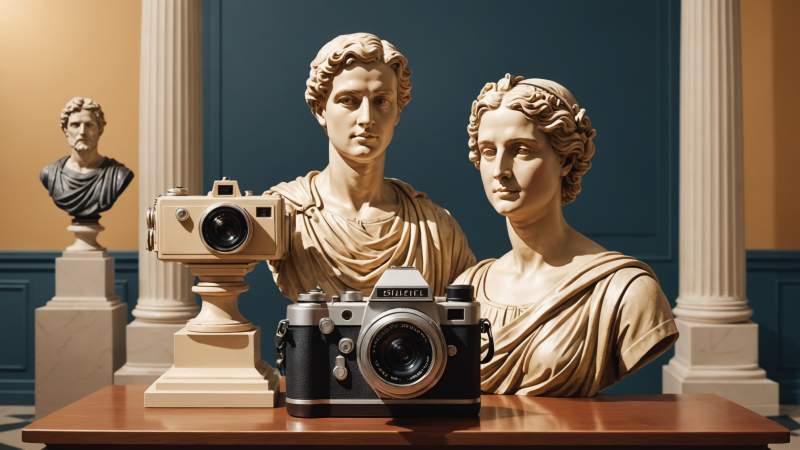
Museum Selfie Day is an international phenomenon initiated by London blogger Mar Dixon. It encourages visitors to take creative selfies within museum spaces, blending art and personal expression.
Museums have historically been cautious about photography, primarily to protect exhibits from flash damage. However, many institutions now allow photography without flash, recognising the value of visitor engagement.
Celebrated annually on the third Wednesday of January, Museum Selfie Day has gained participation from museums worldwide, including prominent Australian institutions that promote the event through social media and relaxed photography policies.
Date and International Participation
Museum Selfie Day is celebrated annually on the third Wednesday of January, marking a coordinated international event that encourages museum visitors worldwide to engage with cultural institutions through photography. In Australia, several prominent museums actively participate in this global initiative. The National Museum of Australia in Canberra joins the event each year on the designated day, promoting public involvement in the celebration. Similarly, the Australian Museum in Sydney contributes by sharing visitor selfies tagged with #MuseumSelfie, fostering a sense of community and digital interaction around the event. Additionally, the Powerhouse Museum in Sydney supports the occasion by permitting photography without flash, enabling visitors to capture their experiences while adhering to museum guidelines. These coordinated efforts highlight the international scope of Museum Selfie Day and its role in connecting museums and audiences through shared participation.
History and Development of the Selfie
The history of the selfie dates back to 1839 when American photography pioneer Robert Cornelius took the first-ever photographic self-portrait. This early example laid the groundwork for what would become a widespread cultural phenomenon. Moving into the 21st century, the term “selfie” was notably used by an Australian doctor in 2002, who published a photograph of his face with a pierced lower lip following a fall while intoxicated. The doctor apologised for the quality of the image, explicitly referring to it as a selfie, thus contributing to the popularisation of the term. In 2003, Italian media artist Alberto Frigo began photographing objects held in his right hand, exploring new dimensions of self-representation through photography. That same year marked a technological milestone with the introduction of the Sony Ericsson Z101 mobile phone, which was the first to feature a front-facing camera, enabling users to take self-portraits more conveniently. These developments collectively illustrate the evolution of the selfie from its origins in early photography to its integration with modern mobile technology.
The Emergence and Impact of Museum Selfie Day
Museum Selfie Day is a global trend initiated by London-based blogger Mar Dixon. This event has sparked a wave of creative posts across social media platforms, encouraging participants to engage with museum spaces in innovative ways. As an occasion, Museum Selfie Day serves as an ideal opportunity for individuals to express their creativity, blending personal expression with cultural appreciation. The influence of this trend extends beyond mere participation, fostering a dynamic interaction between visitors and museum environments through the art of photography.
Photography Rules in Museums and Their Evolution
Museums, by their very nature, are conservative institutions that tend to adopt new regulations gradually. Historically, signs prohibiting photography were introduced primarily to prevent the use of flash, which can significantly deteriorate the preservation quality of exhibits. The sensitivity of museum collections to light exposure necessitated strict controls to ensure their longevity. However, with the advancement of technology, modern smartphones are now equipped with highly sensitive cameras that often do not require flash for quality images. This technological progress has encouraged many museums to relax their photography rules in recent times. Such easing of restrictions has proven beneficial, as it stimulates greater public interest in museums, allowing visitors to engage more actively with exhibits through photography while still respecting preservation concerns.