
World AIDS Day: Awareness and Progress in HIV/AIDS
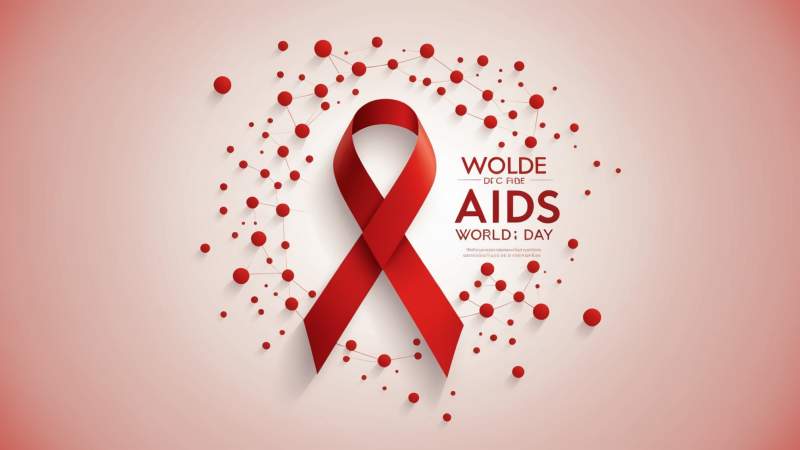
World AIDS Day is observed annually on 1 December to raise global awareness about HIV and AIDS. It was established in 1988 by the World Health Organization and the United Nations General Assembly.
The day serves to remember those who have died from AIDS-related illnesses and to acknowledge progress made in treatment and prevention. The red ribbon, introduced in 1991, has become a recognised symbol of support and understanding.
UNAIDS, the joint United Nations programme on HIV/AIDS, coordinates international efforts to combat the epidemic through prevention, treatment, and human rights initiatives. Australia has implemented national strategies and community events to support people living with HIV.
Date and Establishment of the Commemorative Day
World AIDS Day is observed annually on 1 December. This commemorative day was established in 1988 by a joint decision of the World Health Organization and the United Nations General Assembly. The first observance of World AIDS Day took place on 1 December 1988, marking the beginning of a global effort to raise awareness about HIV/AIDS and promote solidarity with those affected by the disease.
Features of the Fight Against AIDS in Australia
Australia’s response to the AIDS epidemic has been marked by early recognition and sustained efforts to manage and reduce the impact of HIV/AIDS. The first case of AIDS in Australia was recorded on 24 July 1982, prompting the establishment of the Australian Commission on AIDS and HIV in 1985. This body has played a central role in coordinating national efforts to combat the disease.
Access to antiretroviral therapy, a critical component in managing HIV infection, became available in Australia from December 1996. This advancement significantly improved the prognosis for people living with HIV. By the end of 2023, there were 29,689 individuals living with HIV in Australia, with an impressive 94 percent aware of their HIV status. This high level of awareness is indicative of effective testing and outreach programs.
Australia continues to implement a comprehensive national HIV strategy covering the period from 2021 to 2025, reflecting ongoing commitment to prevention, treatment, and support services. Additionally, the city of Sydney contributes to awareness and community solidarity through its annual Mardi Gras parade, which prominently supports the fight against AIDS. These combined efforts highlight Australia’s multifaceted approach to addressing HIV/AIDS within its population.
History and Nature of AIDS and HIV
AIDS was first officially recorded by the United States Centers for Disease Control and Prevention on 5 June 1981. It is a severe condition that develops as a result of profound immunodeficiency caused by the prolonged course of HIV infection. Despite extensive research, there is currently no cure for HIV infection. However, HIV has transitioned into a category of manageable chronic diseases due to expanded access to prevention, diagnosis, and treatment. People living with HIV can lead long and fulfilling lives when appropriate medical care is available. Without treatment, individuals with HIV infection are at risk of developing serious opportunistic illnesses such as tuberculosis, cryptococcal meningitis, severe bacterial infections, and cancer.
Goals and Symbolism of World AIDS Day
World AIDS Day serves multiple important purposes, foremost among them being the enhancement of public awareness about HIV/AIDS and the commemoration of those who have lost their lives to the disease. Additionally, the day recognises the significant achievements made in expanding access to treatment and prevention methods. Each year, World AIDS Day is observed under different slogans that reflect current priorities and messages in the fight against HIV/AIDS. Events related to the day are often held during the weeks leading up to and following 1 December, allowing for extended engagement and education.
A central symbol of the global fight against AIDS is the red ribbon. This emblem was conceived in the spring of 1991 by artist Frank Moore, who drew inspiration from the yellow ribbons worn by families of soldiers during the Gulf War. The red ribbon was intended as a symbol of understanding and solidarity with those affected by HIV/AIDS. The concept was embraced and popularised by the organisation Visual AIDS, which provided specific guidelines for wearing the ribbon: a 6-centimetre length of red fabric folded into an inverted V shape and pinned to clothing.
The Red Ribbon Project gained official recognition at the 45th Tony Awards ceremony on 2 June 2000, marking a significant moment in its history. Since then, the red ribbon has become a widely recognised symbol, prominently worn at major award ceremonies such as the Tonys, Oscars, and Emmys. Through its symbolism and the goals it represents, World AIDS Day continues to play a vital role in uniting people worldwide in the ongoing effort to combat HIV/AIDS.
Role and Activities of the UNAIDS Programme
The United Nations established the Joint United Nations Programme on HIV/AIDS in 1996, known by its acronym UNAIDS. This programme represents a collaborative effort that brings together several key UN agencies, including the United Nations Children’s Fund (UNICEF), the United Nations Development Programme (UNDP), the United Nations Population Fund (UNFPA), the United Nations Educational, Scientific and Cultural Organization (UNESCO), the World Health Organization (WHO), and the World Bank. UNAIDS plays a pivotal role in supporting global initiatives aimed at preventing HIV infection and combating AIDS. Beyond prevention, the programme is committed to advocating for human rights irrespective of individuals’ HIV status, ensuring that stigma and discrimination do not hinder the fight against the epidemic. Additionally, UNAIDS provides vital assistance to countries through training, research support, and the expansion of international programmes dedicated to HIV/AIDS control. Through these multifaceted activities, UNAIDS remains central to the global response against HIV/AIDS.
Statistics and the Importance of Awareness
By the end of 2024, an estimated 40.8 million people worldwide were living with HIV. Awareness of one’s HIV status plays a crucial role in the global response to the epidemic. At that time, 87% of individuals living with HIV were aware of their status, marking a significant step forward in efforts to control the spread of the virus. Knowing one’s HIV status is essential as it represents the first step towards accessing treatment and implementing preventive measures. This awareness not only benefits the individual by enabling timely medical intervention but also contributes to broader public health goals by reducing transmission rates. Therefore, increasing the proportion of people who know their HIV status remains a key priority in the fight against HIV/AIDS.