
World Day Against Child Labour: Global Awareness and Action
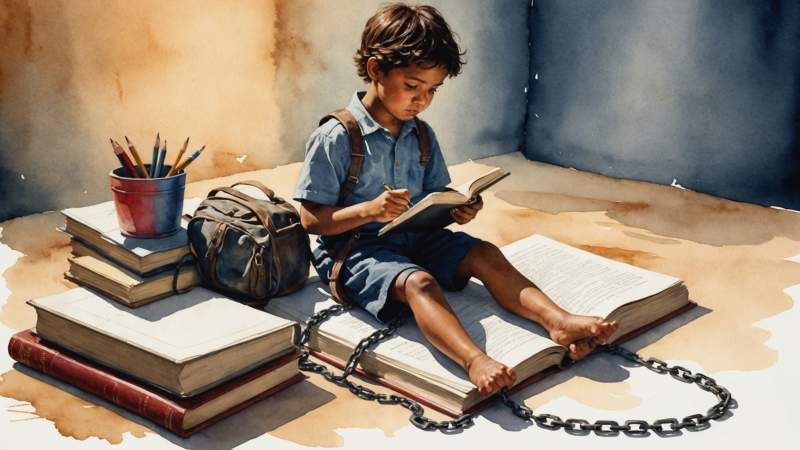
The World Day Against Child Labour is an international observance dedicated to raising awareness about the exploitation of children in the workforce. Established by the International Labour Organization, it is held annually on 12 June.
The day originated following significant conferences in Amsterdam and Oslo in 1997, which addressed the worst forms of child labour. The first official observance took place in 2002, aiming to highlight the urgent need for global action.
This observance brings together governments, employers, workers, and civil society to promote policies and measures that protect children from labour exploitation. It also supports the implementation of international conventions that set minimum working ages and prohibit hazardous work for children.
Date and International Recognition
The World Day Against Child Labour is officially established by the International Labour Organization (ILO) and is observed annually on 12 June. The ILO first introduced this day in 2002 to raise global awareness and mobilise efforts against child labour. Each year on 12 June, governments, employers’ and workers’ organisations, civil society representatives, and millions of people worldwide come together to combat child labour. Additionally, every observance of the World Day Against Child Labour is dedicated to a specific theme, highlighting different aspects of the issue and guiding the focus of global actions.
International Initiatives and the Situation in Australia
Australia has demonstrated its commitment to combating child labour through the ratification of key International Labour Organization (ILO) conventions. On 5 August 1973, Australia ratified ILO Convention No. 138 concerning the minimum age for admission to employment, establishing a legal framework to protect children from premature labour. Further strengthening its stance, Australia ratified ILO Convention No. 182 on 7 June 2006, which focuses on the prohibition and immediate elimination of the worst forms of child labour.
Domestically, the Fair Work Act 2009 sets the minimum employment age at 15 years, aligning national legislation with international standards. The enforcement of these laws has been evident in recent legal actions; notably, in 2021, the Federal Court of Australia ruled that the exploitation of children in the meat industry on farms constituted a violation of labour laws. This decision underscores the judiciary’s role in upholding protections against child labour.
In addition to legal measures, advocacy and union activities contribute to addressing child labour issues. In 2022, the United Workers Union, a prominent Australian trade union, conducted a campaign targeting the exploitation of migrant children in the agricultural sector. Such initiatives highlight ongoing efforts within Australia to combat child labour through both legal and social channels.
History and Objectives of the Day
The idea to establish a dedicated day against child labour emerged following significant international gatherings focused on the issue, notably the conference on the worst forms of child labour held in Amsterdam and the international conference on child labour in Oslo in 1997. These events highlighted the urgent need for global attention and coordinated action to address child labour. The primary objective of the World Day Against Child Labour is to raise awareness about the problem and the necessity of implementing measures to eliminate it. The International Programme on the Elimination of Child Labour (IPEC) plays a central role in this effort, working towards the effective abolition of child labour. IPEC’s activities are guided by the principles set out in the International Labour Organization’s Conventions No. 138, concerning the minimum age for employment adopted in 1973, and No. 182, which focuses on the prohibition and immediate elimination of the worst forms of child labour, adopted in 1999. Member states of the ILO have committed themselves to eradicating the worst forms of child labour as soon as possible. Achieving this goal will require expanding the scale of interventions and strengthening political will globally.
Scale and Consequences of Child Labour
According to the latest data, there are approximately 160 million children aged 5 to 17 engaged in child labour worldwide. Among them, over one hundred million are victims of modern slavery, with 79 million involved in hazardous work. These children often have little to no time for schooling or play and frequently suffer from inadequate nutrition and care. For nearly two decades, the world has made steady progress in reducing the prevalence of child labour. However, recent years have seen setbacks due to conflicts, crises, and the COVID-19 pandemic, which have pushed more families into poverty and forced millions of children into labour. Economic growth during this period has been insufficient and not inclusive enough to alleviate the pressures on families and communities that lead to child labour. The scale of the problem and its severe consequences highlight the ongoing challenges in protecting children from exploitative work conditions.
Events and Public Engagement
On the occasion of the World Day Against Child Labour, numerous events are organised worldwide by both public and governmental organisations. These activities include art exhibitions, website presentations, mass rallies, sports competitions, children’s festivals, theatrical performances, and information campaigns. Such diverse events aim to raise awareness and engage communities in the fight against child labour, fostering a collective commitment to protecting children’s rights and promoting their well-being.