
World Day for Safety and Health at Work and Occupational Safety
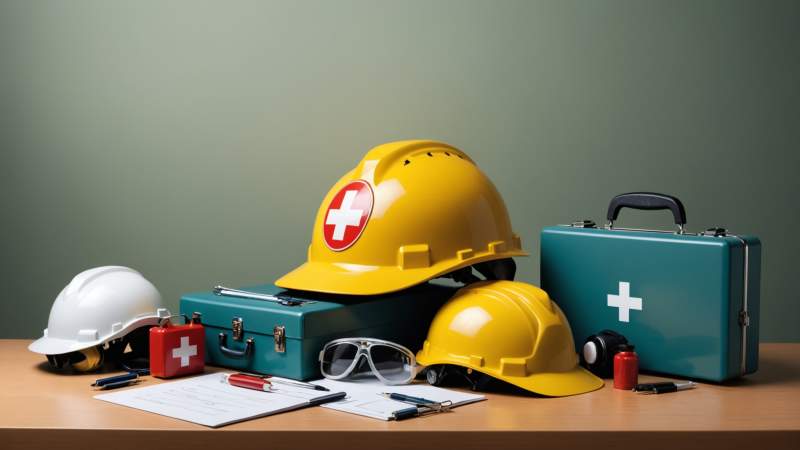
The World Day for Safety and Health at Work is observed annually on 28 April, as designated by the International Labour Organization. It focuses on promoting a culture of occupational safety and health to reduce workplace accidents and diseases.
This observance traces its origins to the Workers’ Memorial Day first held in the United States and Canada in 1989, commemorating workers who suffered or died due to workplace incidents. The World Day was officially marked for the first time in 2003.
Activities related to this day take place in more than one hundred countries, involving local authorities, trade unions, employers, and occupational safety experts. The day highlights the importance of prevention, clear rights and duties, and collaborative efforts to ensure safe working environments.
Date and Origin of the Commemorative Day
The World Day for Safety and Health at Work was officially designated by the International Labour Organization (ILO) to be observed annually on 28 April. This commemorative day was first marked in 2003, establishing a global platform to promote occupational safety and health. The concept of this day traces its roots back to the Day of Remembrance for Workers Who Have Died or Been Injured on the Job, which was initially observed in the United States and Canada in 1989. The Day of Remembrance was dedicated to honouring workers who suffered injuries or lost their lives in the workplace, serving as a solemn reminder of the importance of workplace safety. The establishment of the World Day for Safety and Health at Work builds upon this foundation, expanding the recognition and commitment to preventing occupational accidents and diseases worldwide.
Features and Participation of Australia
Australia actively participates in the events of the World Day for Safety and Health at Work, promoting a strong culture of workplace safety. The country enforces strict occupational safety laws and standards regulated by government authorities. Australian employers are legally required to provide safe working conditions and conduct occupational safety training for their employees. Trade unions in Australia play a significant role in protecting workers’ rights and monitoring compliance with safety regulations. Preventive programs aimed at reducing occupational diseases and workplace accidents are implemented nationwide. The Australian government has established oversight and control systems to ensure adherence to occupational safety standards. In response to the COVID-19 pandemic, Australia developed specific measures to protect workers’ health both on-site and during remote work. Occupational safety organisations in Australia also conduct information campaigns and seminars aligned with the 28 April observance. Considerable attention is given to the psychosocial health of workers, particularly in relation to emerging forms of employment. Furthermore, Australia supports international ILO initiatives focused on reducing workplace fatalities and injuries.
Objectives and Tasks of the World Day for Safety and Health at Work
The World Day for Safety and Health at Work, also known as the World Day for Safety and Health at the Workplace, serves a vital purpose in raising awareness about occupational safety issues. Its primary objective is to promote a culture of safety and health at work, aiming to reduce fatalities and injuries in the workplace. The International Labour Organization (ILO) actively encourages all countries to observe this day as a means to prevent occupational accidents and diseases. By designating 28 April for this observance, the ILO seeks to draw global attention to the importance of establishing and investing in effective occupational safety and health systems.
Scale and Consequences of Occupational Safety Issues
Occupational safety and health challenges represent a significant global concern due to their extensive human and economic impact. According to estimates by the International Labour Organization (ILO), approximately 2.3 million people worldwide die each year as a result of work-related accidents and occupational diseases. Of these fatalities, around 317,000 are caused by fatal accidents at work, while between 1.7 and 2 million deaths are attributed to work-related illnesses.
In addition to fatalities, the burden of non-fatal incidents is substantial. Each year, there are roughly 270 million workplace accidents that result in an absence from work exceeding three days. Furthermore, about 160 million cases of occupational diseases occur annually without resulting in death. These figures highlight the widespread prevalence of workplace hazards and the critical need for effective safety measures.
The economic consequences of inadequate occupational safety standards are also profound. Globally, the cost of poor occupational health and safety practices amounts to an estimated 4% of the world’s gross domestic product (GDP). This economic burden underscores the importance of addressing occupational safety issues not only to protect workers’ health but also to support sustainable economic development.
Organisation and Participants of the Events
The World Day for Safety and Health at Work is marked by events held in more than one hundred countries worldwide. These activities are designed to draw attention to unresolved occupational safety and health issues, highlighting the ongoing challenges faced in this critical area. The organisation of these events is a collaborative effort involving local authorities, trade unions, employers’ organisations, and occupational safety and health professionals. This diverse participation ensures that the events address a broad spectrum of concerns and engage multiple stakeholders committed to improving workplace safety globally.
National Culture of Occupational Safety
The national culture of occupational safety is founded on the fundamental respect for the right to safe working conditions at all levels. This culture involves a collaborative effort among governments, employers, and workers to ensure a safe production environment. Within this framework, the rights and responsibilities of all parties are clearly defined, establishing a structured approach to workplace safety. Central to the national culture of occupational safety is the principle of prevention, which is given the highest priority to minimise risks and protect the health and wellbeing of workers.
Roles and Responsibilities of Occupational Safety Participants
The effective implementation of occupational safety and health relies on the clear delineation of roles and responsibilities among all participants involved. Governments bear the primary responsibility for establishing the legislative framework and supervisory systems necessary to ensure healthy working conditions. This includes creating laws and regulations that set safety standards and monitoring compliance across industries. Employers, on their part, are accountable for maintaining safety and hygiene within their workplaces. They must implement appropriate measures to protect workers from hazards and ensure that the working environment meets established safety criteria. Workers also play a crucial role by adhering to safety rules, being aware of their rights, and actively participating in preventive activities. Their engagement is essential to fostering a culture of safety and preventing occupational accidents and illnesses. Together, these roles form the foundation of a comprehensive approach to occupational safety and health.
Impact of the COVID-19 Pandemic on Occupational Safety and Health
Since the beginning of 2020, the COVID-19 pandemic has had a profound impact on the world of work, significantly affecting occupational safety and health. The pandemic introduced new risks related to the transmission of the virus within workplaces, necessitating the implementation of various preventive measures. These measures, while essential for controlling the spread of COVID-19, also generated additional occupational safety challenges. One of the most notable changes was the widespread shift to remote work, which brought both new opportunities and potential risks for occupational safety and health. Remote work environments introduced psychosocial risks, including stress and isolation, as well as increased risks of violence. These developments have underscored the need to adapt occupational safety and health practices to address emerging hazards associated with pandemic-related changes in work arrangements.