United Nations

  • UN English Language Day

    United Nations English Language Day is observed annually on 23 April to celebrate the English language and its cultural heritage. The date coincides with the birth and death of William Shakespeare, a pivotal figure in English literature. Established in 2010 by the UN Department of Public Information, the day aims to promote multilingualism and cultural diversity. English is one of the six official languages of the United Nations and serves as a working language of the Secretariat. Events include round tables, conferences, exhibitions, and language lessons to engage participants worldwide.

  • World Day for Safety and Health at Work

    The World Day for Safety and Health at Work, observed on 28 April, was established by the International Labour Organization to promote occupational safety and health culture globally. Originating from the Workers’ Memorial Day in North America, it aims to reduce workplace fatalities and injuries by raising awareness of unresolved safety issues. Activities occur in over 100 countries, involving governments, employers, unions, and safety professionals. The day emphasises prevention, rights, and responsibilities in workplace safety, with Australia actively participating through legislation, training, and awareness campaigns.

  • International Day of Peaceful Coexistence

    The International Day of Peaceful Coexistence, proclaimed by the United Nations General Assembly on 16 May, encourages tolerance, solidarity, and mutual understanding among diverse peoples. It is based on principles of respecting differences and resolving disputes through peaceful negotiations in line with international law. The day supports efforts to maintain unity amid cultural and religious diversity and aligns with the UN’s Sustainable Development Goal 16 for peace and justice. Member states are urged to hold educational activities to promote a culture of peace and non-violence worldwide.

  • International Biodiversity Day

    International Biodiversity Day is observed annually on 22 May to promote awareness of biological diversity and its conservation. Established by the United Nations General Assembly in 2000, the day honours the adoption of the Convention on Biological Diversity. Biodiversity encompasses the variety of life forms and their ecological interactions. Australia is a party to the Convention and related protocols, with significant biodiversity protected under national legislation and recognised through UNESCO World Heritage sites.

  • International Day for Innocent Children Victims

    The International Day for Innocent Children Victims of Aggression is observed annually on 4 June, marking the anniversary of the first Israeli air raid on Beirut in 1982. Established by the UN General Assembly, the day draws attention to the suffering of children in armed conflicts worldwide. It highlights common violations such as recruitment, killings, sexual violence, and attacks on schools and hospitals. The day reaffirms international commitments, including the Convention on the Rights of the Child and the Rome Statute, to protect children and promote their reintegration into society.

  • International Play Day

    International Play Day is celebrated annually on 11 June following a United Nations General Assembly resolution in March 2024. Initiated by Vietnam’s Deputy Minister of Foreign Affairs, Do Hung Viet, the day highlights the essential role of play in development, health, and happiness, especially for children. It emphasises the need for accessible, inclusive, and safe play environments for all, regardless of background or ability. The initiative enjoys broad support from UN member states, educators, sports federations, and parents worldwide, including active participation in Australia.

  • World Day Against Child Labour

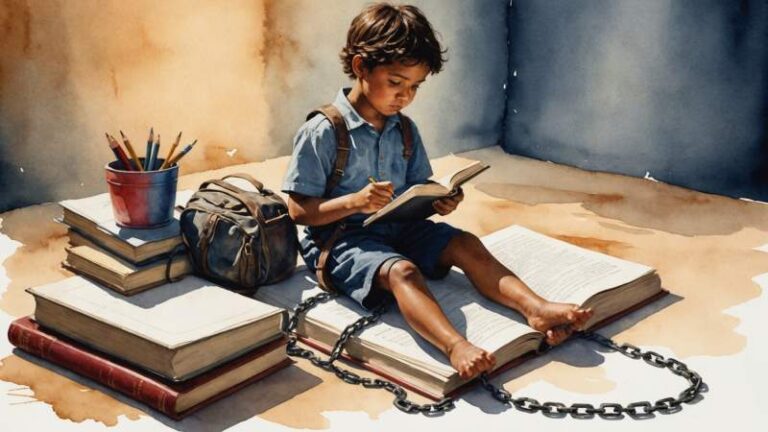
    The World Day Against Child Labour is observed annually on 12 June, established by the International Labour Organization (ILO) to raise awareness about child labour issues. Initiated after key conferences in Amsterdam and Oslo in 1997, the day was first marked in 2002. It aims to mobilise governments, employers, workers, and civil society to combat child labour, which affects 160 million children globally. The ILO’s programmes focus on eradicating the worst forms of child labour, guided by Conventions No. 138 and No. 182. Australia has ratified these conventions and enforces a minimum working age of 15 years.

  • Elder Abuse Awareness Day

    Elder Abuse Awareness Day is observed annually on 15 June to raise awareness about the mistreatment of older adults. Established by the UN General Assembly in 2011, the day promotes dignity, respect, and solidarity with elderly people. It addresses global issues such as abuse, neglect, and financial exploitation faced by older individuals. In Australia, government initiatives support research and provide resources to combat elder abuse.

  • World Refugee Day

    World Refugee Day is observed annually on 20 June as designated by the United Nations General Assembly in 2001. It commemorates the adoption of the 1951 Refugee Convention, which defines refugee status and rights. The day also honours the Nansen Refugee Award, recognising outstanding service to refugees. The concept of refugees in international law emerged after World War I, with significant developments through the League of Nations and the United Nations. Australia participates in this observance and supports refugees through national programmes aligned with international conventions.

  • Nelson Mandela International Day

    Nelson Mandela International Day was established by the United Nations General Assembly in 2009 to honour the legacy of Nelson Mandela, the first black president of South Africa and a prominent human rights activist. Celebrated annually on 18 July, Mandela’s birthday, the day recognises his dedication to conflict resolution, racial reconciliation, and social justice. The UN promotes activities such as volunteering and awareness campaigns, reflecting Mandela’s values. The day also highlights the importance of humane prison conditions and acknowledges the work of penitentiary staff. In Australia, it serves as a platform for public education on human rights and anti-racism.

  • World Drowning Prevention Day

    World Drowning Prevention Day is observed annually on 25 July, established by the United Nations General Assembly in 2021. The day recognises drowning as a significant global public health issue, with over 235,000 deaths each year, predominantly in low- and middle-income countries. The World Health Organization coordinates efforts emphasising prevention through safety barriers, swimming skills, and early warning systems. In Australia, drowning remains a leading cause of death among young children, with national campaigns and regulations supporting prevention.

  • World Anti-Trafficking Day

    World Anti-Trafficking Day is observed annually on 30 July to raise awareness about human trafficking and support victims worldwide. Established by the United Nations General Assembly in 2013, the day highlights the serious crime of trafficking and its impact on vulnerable populations, especially women and children. The UN’s global action plan aims to eradicate trafficking through international cooperation, victim assistance, and rehabilitation efforts. Australia participates actively with national strategies, law enforcement, and support services to combat trafficking within its borders.

  • World Lakes Day

    World Lakes Day is observed annually on 27 August following a United Nations resolution adopted in 2024. Lakes are natural inland water bodies vital for freshwater supply, biodiversity, and climate regulation. Covering nearly 4% of Earth’s surface, lakes support ecosystems and economies worldwide. The day promotes awareness and action for the conservation, restoration, and sustainable use of lake environments. Australia, with around 12,000 lakes including Lake Eyre, participates in these efforts through government programs and regional events.